
Pest Control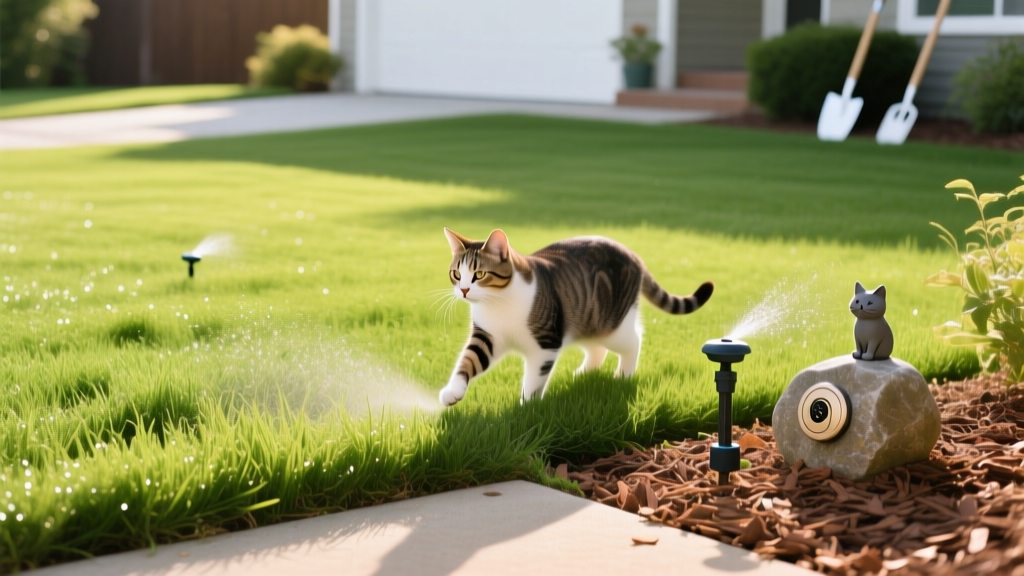
How to Repel Cats From Your Lawn: The Ultimate Playbook
The Damage Profile: Feline Urine and Turf Burn
Before deploying deterrents, you must understand the specific mechanics of feline lawn damage. Unlike canines, cats are desert-evolved animals that conserve water, resulting in highly concentrated urine. Cat urine contains roughly 10 to 15 grams of urea per liter, creating localized nitrogen toxicity in your soil. This manifests as distinct yellow halos with dark green outer rings on turfgrass, commonly mistaken for fungal diseases like dollar spot.
Beyond turf burn, feline intrusion poses a biological hazard. Feral and outdoor cats frequently use garden beds as litter boxes. Their feces can harbor Toxoplasma gondii oocysts, which survive in moist soil for months and pose severe health risks to pregnant women and immunocompromised individuals. According to The Humane Society's feline management resources, humane but firm exclusion is the only long-term strategy for protecting both your landscape and your family's health.
Health Warning: Never use mothballs (naphthalene or paradichlorobenzene) to repel cats. These chemicals are highly toxic, illegal to use outdoors in most jurisdictions, and will leach into your groundwater while failing to deter determined felines.
Sensory Deterrents: Olfactory and Auditory Playbooks
Cats possess roughly 200 million odor-sensitive cells in their nasal cavities—about 14 times more than humans. Exploiting this hyper-sensitive olfactory system is your first line of defense. However, not all repellents are created equal. Below is a field-tested comparison of the most effective commercial sensory deterrents available for the 2026 landscaping season.
| Product / Method | Active Mechanism | Estimated Cost | Reapplication / Maintenance |
|---|---|---|---|
| Liquid Fence Cat & Dog Repellent (32 oz) | Putrescent egg solids and garlic oil trigger innate predator avoidance. | $18 - $22 | Every 3-4 weeks, or after 1 inch of rainfall. |
| Nature's Mace Cat Repellent (40 lb granular) | Peppermint and white pepper irritate the vomeronasal organ. | $30 - $35 | Every 4-6 weeks; covers up to 14,000 sq ft. |
| Orbit 62100 Yard Enforcer Sprinkler | 120-degree PIR sensor triggers a sudden 5-second water burst. | $65 - $75 | Requires 9V battery replacement every 6 months; winterize in freezing climates. |
| Hoont Ultrasonic Animal Repeller | Emits 13.5 kHz - 45.5 kHz frequencies inaudible to most humans. | $35 - $45 | Solar-powered; wipe sensor lens weekly to prevent false triggers from dust. |
Deploying Granular vs. Liquid Repellents
For broad lawn perimeters, granular repellents like Nature's Mace are superior because they bind to the soil matrix and resist immediate wash-off. Apply a 2-foot wide continuous band along fence lines and the edges of garden beds. For targeted protection on specific plants or hardscaping (like the edges of a sandbox or patio furniture), liquid sprays provide a stronger, immediate olfactory barrier. Always apply liquid repellents during the cooler evening hours to prevent rapid evaporation of the essential oils before they can penetrate porous surfaces.
Tactical Physical Barriers: Blocking Access
Scent deterrents fade, but physical barriers provide absolute exclusion. Cats are digitigrade walkers, meaning they walk on their toes and despise unstable or prickly surfaces under their paws. Exploit this biomechanical vulnerability with the following installations:
- Sub-Surface Poultry Wire: When laying new mulch or preparing garden beds, lay down 1-inch hexagonal galvanized poultry wire just 1 inch below the soil surface. Cats cannot dig through the wire, and plant roots will easily grow through the gaps. Cost: ~$15 for a 50-foot roll.
- Prickly Mulch Alternatives: Replace soft wood chips or shredded bark with coarse, sharp-edged materials. Crushed oyster shells, rough lava rock, or pine cones create an uncomfortable walking surface that deters entry and lounging.
- Scat Mats: For high-value areas like vegetable patches or children's play zones, deploy plastic Scat Mats (flexible plastic mats with blunt, 1-inch spikes). They are uncomfortable but do not pierce the skin, aligning with humane exclusion standards.
Pro Tip for Motion Sprinklers: If using the Orbit Yard Enforcer, set the sensitivity dial to 'Medium' and aim the sensor parallel to the fence line rather than pointing it at the street. This prevents false triggers from passing cars and pedestrians, saving your water bill and battery life.
Botanical Deterrents: The Anti-Cat Perimeter
Integrating specific flora into your landscape design creates a permanent, living barrier. When selecting plants, always cross-reference your choices with the ASPCA's Toxic and Non-Toxic Plants database to ensure you do not accidentally introduce hazards for your own dogs or local wildlife.
Top Feline-Repelling Species
- Coleus canina (Scaredy Cat Plant): This succulent emits a volatile compound called geranylacetone. To human noses, it smells faintly like oregano, but to felines, it mimics the scent of a skunk. Plant them 18 inches apart along garden borders. They thrive in USDA zones 9-11 but can be grown as annuals in cooler climates.
- Ruta graveolens (Common Rue): Rue contains rutin and bitter essential oils that irritate feline olfactory receptors. Caution: Rue sap can cause phytophotodermatitis (skin blistering when exposed to sunlight) in humans, so always wear long sleeves and nitrile gloves when pruning.
- Lavender (Lavandula angustifolia): While humans find the scent relaxing, the high concentration of linalool is overwhelming to cats. Plant 'Hidcote' or 'Munstead' varieties in full sun, spacing them 24 inches apart to form a dense, fragrant hedge.
The Diversion Strategy: Building a Sacrificial Zone
If neighborhood cats are deeply entrenched in your property, total exclusion may result in an escalating battle of attrition. A highly effective, often overlooked strategy is the "Sacrificial Zone." By creating a highly attractive, designated area at the furthest corner of your property, you can divert feline traffic away from your primary lawn and garden beds.
How to Construct a Diversion Zone
- Location: Select a shady, quiet corner of your yard, preferably shielded from direct street view and at least 30 feet from your main living areas.
- Substrate: Fill a 4x4 foot raised bed or defined border with fine, loose sand or soft peat moss. Cats strongly prefer loose, dry, easily diggable substrates for elimination.
- Attractants: Plant Nepeta cataria (Catnip) or Valeriana officinalis (Valerian) around the perimeter of the sand box. The nepetalactone in catnip acts as a powerful feline attractant.
- Maintenance: You must rake and clean this zone weekly. If it becomes too soiled, cats will abandon it and return to your pristine flower beds.
Troubleshooting & Edge Cases
Even the best playbooks encounter variables. Use this decision matrix to troubleshoot persistent feline intrusions:
| Symptom / Scenario | Root Cause | Corrective Action |
|---|---|---|
| Cats are sleeping on top of the Scat Mats. | The mats are covered in debris, leaves, or soil, neutralizing the spikes. | Clear all debris. Elevate the mats slightly on 1-inch wooden blocks to prevent soil accumulation. |
| Ultrasonic repeller is triggering, but cats ignore it. | Local felines have habituated to the sound frequency. | Switch the device to a variable frequency mode, or pair it with a motion-activated sprinkler for multi-sensory shock. |
| Granular repellent washes away after heavy storms. | Applying to dry, dusty soil prevents the granules from adhering. | Lightly water the soil before application so the granules stick to the dirt clods and mulch pieces. |
Final Execution Notes
Repelling cats is not a one-and-done application; it is a behavioral conditioning process. Felines are territorial and habitual. When you introduce a new deterrent, expect a 7 to 14-day testing period where the cats will probe your defenses. Consistency is your greatest asset. Rotate your olfactory repellents every two months to prevent scent fatigue, maintain your physical barriers, and keep your motion-activated sprinklers fully charged. By layering these tactical playbooks, you will successfully reclaim your turf without resorting to inhumane or ecologically damaging methods.

