
Pest Control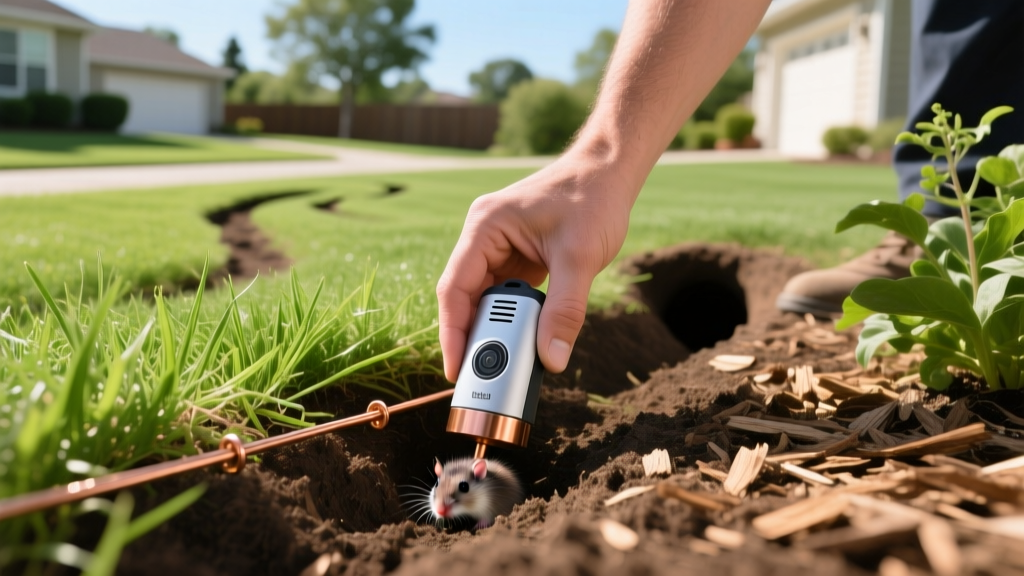
How to Repel Gophers: Effective Lawn and Garden Deterrent Guide
The True Cost of Gopher Damage
A single pocket gopher (Thomomys species) can move over two tons of soil in a year, creating 200 to 300 feet of underground tunnels. For homeowners, this translates to destroyed irrigation lines, severed plant roots, and hazardous sinkholes in high-traffic lawn areas. While lethal trapping is one approach, many property owners prefer non-lethal deterrence to maintain ecological balance and avoid the recurring labor of trap-setting. To effectively repel gophers, you must target their sensory systems and food sources rather than simply masking surface odors.
Understanding Gopher Tunnel Architecture
Repellents fail when applied without understanding gopher tunnel geometry. According to the University of California Integrated Pest Management (IPM) program, main gopher tunnels are typically 4 to 12 inches below the surface, while lateral feeding tunnels and nesting chambers can drop to 18 to 24 inches deep. Surface-applied granular repellents rarely penetrate beyond the top two inches of soil, rendering them useless against deep foraging. Effective repellent strategies must deliver active ingredients directly into the primary runway depth.
Comparative Analysis: Top 4 Gopher Repellent Methods
Not all deterrents perform equally across different soil types and lawn sizes. The matrix below breaks down the four most reliable non-lethal methods based on field efficacy and cost.
| Method | Mechanism of Action | Est. Cost per 1,000 sq ft | Best Soil Type | Longevity |
|---|---|---|---|---|
| Castor Oil Sprays | Coats roots, causes severe digestive distress and aversion | $12 - $18 | Loam, Sandy Loam | 3 - 6 Weeks |
| Sonic Vibrating Stakes | Emits 400-1000Hz acoustic pulses that disrupt nervous systems | $25 - $35 (amortized) | Dense Clay, Compact Loam | Continuous (Season) |
| Botanical Barriers | Toxic root exudates and unpalatable bulb structures | $30 - $50 | All Types | Permanent (Annual regrowth) |
| Predator Urine (Coyote/Fox) | >Olfactory trigger of predator presence$20 - $28 | All Types (requires injection) | 1 - 2 Weeks |
Deep Dive: Castor Oil as the Gold Standard Repellent
Castor oil is widely considered the most effective organic gopher repellent. It does not kill the animal; instead, it coats the roots and grubs they consume, causing severe gastrointestinal irritation. Gophers quickly associate the treated area with illness and abandon the territory.
Formulating and Applying Castor Oil
While commercial hose-end sprayers (like Nature's Mole & Gopher Repellent, typically priced around $28 for 32oz) offer convenience, a DIY concentrate provides better penetration control.
- The Concentrate: Mix 1 cup of pure, cold-pressed castor oil with 1 cup of biodegradable liquid dish soap (the soap acts as a surfactant, emulsifying the oil into water).
- The Application Mix: Add 2 tablespoons of this concentrate to every 1 gallon of water.
- Soil Preparation: Gophers plug their tunnels when the soil is dry. Water the lawn deeply 24 hours before application to open the soil pores and encourage the gopher to forage near the surface.
- Delivery: Use a soil-injector probe attached to your hose to deliver the mixture directly 6 to 8 inches deep, focusing on the perimeters of fresh mounds rather than dumping it directly into the plugged hole.
Warning: Avoid Flooding Tunnels
Attempting to repel gophers by flooding their tunnels with a garden hose is highly ineffective. Gophers simply push soil to plug the water flow, and the excessive surface water causes soil compaction, fungal lawn diseases, and erosion of your topsoil. Stick to targeted emulsified castor oil injections.
Attempting to repel gophers by flooding their tunnels with a garden hose is highly ineffective. Gophers simply push soil to plug the water flow, and the excessive surface water causes soil compaction, fungal lawn diseases, and erosion of your topsoil. Stick to targeted emulsified castor oil injections.
Solar and Vibrating Deterrent Stakes: The Physics of Sound
Vibrating stakes, such as the Aspectek Solar Powered Mole and Gopher Repellent (roughly $40 for a 4-pack in 2026), emit low-frequency sonic pulses (typically 400 to 1000Hz) every 15 to 30 seconds. These frequencies mimic the vibrations of large predators or heavy machinery, triggering a gopher's instinct to flee.
The Soil Density Caveat
The most common reason sonic stakes fail is improper placement relative to soil density. Sound waves travel exceptionally well through dense, moist clay but dissipate rapidly in loose, dry sand or heavily aerated soil. Furthermore, the Colorado State University Extension notes that physical barriers like foundations, rock walls, and large tree root systems will block acoustic waves, creating 'dead zones' where gophers can tunnel undisturbed.
Optimal Placement Grid
Do not rely on the manufacturer's claimed 'up to 7,000 square feet' coverage. In real-world conditions, the effective radius is closer to 30 to 40 feet. Install stakes in an overlapping triangular grid pattern, ensuring no point in your lawn is more than 35 feet from a stake. Bury the stake so the solar panel is flush with the grass line to prevent damage from lawnmowers.
Botanical Barriers: Landscaping for Deterrence
For a permanent, passive repellent strategy, integrate gopher-resistant plants into your landscape design. Gophers rely heavily on their sense of touch and taste when foraging for fleshy roots.
Top Deterrent Plants
- Gopher Spurge (Euphorbia lathyris): Exudes a toxic, milky latex sap that irritates gopher digestive tracts. Plant as a perimeter border. (Note: The sap is also a skin irritant to humans; wear gloves when pruning).
- Alliums (Garlic, Onions, Ornamental Allium): The strong sulfur compounds mask the scent of preferred forage. Plant in dense, 2-foot-wide clusters around vulnerable vegetable beds.
- Narcissus (Daffodils): Contain lycorine, a toxic alkaloid that mammals instinctively avoid. Excellent for lining the edges of flower beds.
Decision Framework: Choosing Your Strategy
Selecting the right repellent depends on your property size, budget, and soil composition.
Scenario A: Small Urban Garden (Under 2,000 sq ft)
Recommended Action: Botanical barriers (Alliums/Daffodils) combined with targeted castor oil injections. The small footprint makes the initial planting cost negligible, and castor oil can be applied manually with a pump sprayer in under 20 minutes.
Scenario B: Large Suburban Lawn (5,000+ sq ft) with Clay Soil
Recommended Action: Sonic vibrating stakes. The dense clay soil will propagate the 400Hz acoustic pulses efficiently across the large area. Supplement with a commercial hose-end castor oil spray once a month during peak spring and fall foraging seasons.
Scenario C: Sandy or Rocky Soil Properties
Recommended Action: Aggressive castor oil soil-injection. Sonic stakes will fail in sandy/rocky soil due to acoustic dampening. You must rely on taste-aversion (castor oil) and physical wire-mesh barriers beneath raised beds.
Frequently Asked Questions
Will chewing gum or chocolate laxatives kill or repel gophers?
No. The internet myth that gophers will eat chewing gum or chocolate laxatives and die from intestinal blockages is entirely false. Gophers are strict herbivores that forage for roots, tubers, and grubs. They will ignore synthetic sugars and gums entirely, and leaving these items in your yard simply attracts ants and rodents.
How often do I need to reapply castor oil repellent?
Castor oil degrades in the soil and is washed away by heavy irrigation or rainfall. Reapply every 3 to 4 weeks during active tunneling seasons (spring and late fall). If you notice fresh, fan-shaped dirt mounds appearing between applications, immediately re-treat the perimeter of the new activity.
Do ultrasonic plug-in repellents work for outdoor gophers?
Ultrasonic devices (frequencies above 20,000Hz) are designed for indoor use against mice and rats. High-frequency sound waves cannot penetrate soil and are absorbed within inches of the surface. For subterranean mammals, you must use low-frequency sonic vibrations (under 1,000Hz) that travel through the earth.

