
Pest Control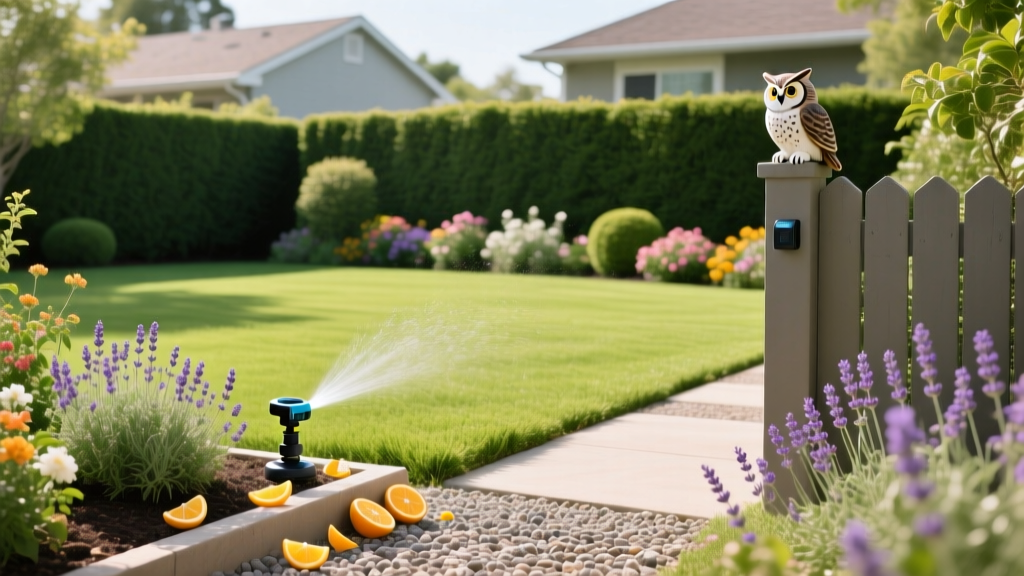
How Do You Repel Cats From Your Yard? 7 Proven Methods
The Feline Intrusion Problem: Why Cats Target Your Lawn
When neighborhood cats treat your meticulously maintained garden beds as a personal litter box, the result is more than just a nuisance. Feline urine contains high concentrations of uric acid and ammonia that can chemically burn turfgrass roots, while their digging habits destroy shallow root systems and expose seeds to birds. To effectively answer the question of how do you repel cats from your yard, you must understand their behavioral drivers. Cats seek out loose, dry, and easily excavable soil—like fresh mulch or dry topsoil—to bury their waste. They also prefer quiet, undisturbed zones with clear sightlines. The following playbook utilizes a multi-tiered approach, combining sensory deterrents, technological barriers, and landscape modifications to make your property fundamentally inhospitable to feline trespassers.
Phase 1: Sensory Deterrents (Scent & Taste Aversion)
Cats possess a highly developed vomeronasal organ (Jacobson's organ) located on the roof of their mouth, which makes them exceptionally sensitive to specific volatile organic compounds. Leveraging this biological trait is your first line of defense.
Commercial Scent Repellents
Products like Liquid Fence Cat & Dog Repellent (typically $15 to $20 for a 32-ounce ready-to-spray bottle) utilize putrescent whole egg solids and garlic oil. When applied to the perimeter of your lawn and the edges of garden beds, the decaying protein scent triggers a predator-avoidance instinct. For maximum efficacy, apply the liquid directly to the soil and mulch every 3 to 4 weeks, or immediately after a rainfall exceeding 0.5 inches, as the active ingredients are highly water-soluble and will wash away.
The Coffee Ground Myth vs. Reality
Many online guides suggest spreading used coffee grounds to repel cats. While the strong odor can be mildly off-putting to some felines, coffee grounds retain moisture, promoting fungal growth in your mulch, and can alter soil pH over time. More importantly, caffeine is highly toxic to dogs and wildlife. If you have a multi-pet household or live in an area with foraging wildlife, avoid coffee grounds entirely and opt for commercially formulated, pet-safe botanical oils like rosemary or peppermint sprays.
⚠️ CRITICAL WARNING: Never Use Mothballs Outdoors
Using mothballs (naphthalene or paradichlorobenzene) in your yard is not only ineffective against cats but is a direct violation of the Federal Insecticide, Fungicide, and Rodenticide Act (FIFRA). These chemicals leach into the groundwater, pose severe toxicity risks to children and pets, and can result in heavy EPA fines. Stick to EPA-registered outdoor repellents.
Phase 2: Technological & Physical Barriers
When scent deterrents fail to break a cat's established territorial habits, you must escalate to active and physical deterrents that disrupt their sense of security.
Motion-Activated Sprinklers
The gold standard for active deterrence is the Orbit 62100 Yard Enforcer (priced between $65 and $75). This device uses a passive infrared (PIR) sensor to detect animal body heat and movement up to 70 feet away, triggering a sudden, 5-second burst of water. The combination of the mechanical clicking sound and the unexpected water spray creates a severe negative reinforcement loop. Most cats will abandon the area after two or three encounters. Ensure the PIR sensor is mounted at a height of 12 to 18 inches to reliably detect low-profile feline movement, and use a 9V lithium battery for consistent valve pressure in colder months.
Ultrasonic Frequency Emitters
Ultrasonic devices emit high-frequency sound waves that are imperceptible to most humans but highly irritating to cats. However, frequency selection is critical. Devices emitting below 18 kHz will annoy your neighbors' dogs and potentially cause hearing fatigue in young children. Look for adjustable models that allow you to dial the frequency strictly between 21 kHz and 25 kHz. Place these units in open areas; ultrasonic waves cannot penetrate dense shrubs, wooden fences, or solid walls, rendering them useless if obstructed by landscape features.
Phase 3: Landscaping Modifications (The Long Game)
Altering the physical texture of your yard removes the primary appeal of your property as a feline latrine. Cats despise walking on prickly, uneven, or sticky surfaces.
- Sub-Surface Wire Mesh: Lay 1-inch hexagonal galvanized chicken wire flat across the soil in your garden beds before applying mulch. Plants can easily grow through the gaps, but the wire prevents cats from digging. Over time, the mulch settles over the wire, hiding it from view while maintaining the physical barrier.
- Texture Mulching: Replace soft, fine-grade cedar or pine bark mulch with jagged lava rock, coarse pine cones, or holly branch cuttings. The sharp edges are uncomfortable on feline paw pads, naturally steering them toward softer neighboring properties.
- Botanical Deterrents: Plant Coleus canina (often marketed as the 'Scaredy Cat' plant) or dense, thorny ground covers like creeping juniper around the perimeter of your most vulnerable beds. While ASPCA Animal Poison Control notes that many ornamental plants can cause mild gastrointestinal upset if ingested, the primary deterrent here is the strong, skunky odor the Coleus emits when brushed against, combined with the physical barrier of thorny alternatives.
Deterrent Efficacy Matrix
Not all methods work equally well for every situation. Use this matrix to select the right tool based on your specific intrusion problem.
| Deterrent Method | Average Cost | Maintenance Level | Best Use Case |
|---|---|---|---|
| Motion Sprinkler (Orbit) | $65 - $75 | Low (Battery changes) | Large open lawns and wide garden perimeters |
| Putrescent Egg Scent Spray | $15 - $20 | High (Reapply after rain) | Targeted flower beds and property lines |
| Sub-Surface Chicken Wire | $0.50 / sq ft | None (Permanent) | Vegetable gardens and permanent shrub beds |
| Ultrasonic Emitter (21-25kHz) | $30 - $50 | Medium (Clear foliage) | Patios, decks, and unobstructed hardscapes |
Common Mistakes That Invite Feline Trespassers
Even with the best deterrents, homeowners often unknowingly sabotage their own efforts. According to guidelines on humane deterrence published by The Humane Society of the United States, consistency and environmental management are key to long-term success.
- Leaving Food Sources Accessible: If you or your neighbors leave dry cat food, birdseed, or unsecured compost bins outdoors, no amount of ultrasonic devices will keep cats away. The caloric reward outweighs the deterrent discomfort.
- Using Vinegar on Turf: While white vinegar is a common DIY repellent, its high acetic acid content will rapidly desiccate and kill your bermudagrass or fescue. Never spray concentrated vinegar directly onto your lawn.
- Inconsistent Deterrent Rotation: Cats are highly adaptable. If you rely solely on an ultrasonic device, a bold cat may eventually realize the sound poses no physical threat and ignore it. Rotate between motion sprinklers and scent barriers every few months to prevent habituation.
FAQ: Quick Answers for Desperate Homeowners
Q: Will cayenne pepper hurt the cats or my grass?
A: Cayenne pepper can cause severe irritation to a cat's eyes and respiratory tract if they dig in it and then groom their paws. It is considered inhumane by most animal welfare organizations and can wash into your soil, temporarily altering microbial activity. Stick to commercial, EPA-registered botanical repellents.
Q: How long does it take for a cat to stop visiting my yard?
A: If you deploy a motion-activated sprinkler and maintain a scent barrier, most neighborhood cats will break their territorial habit within 7 to 14 days. Stray or feral cats with no alternative territory may take up to 3 weeks of consistent deterrence to relocate their latrine habits.
Q: Are there any plants that actually attract cats that I should remove?
A: Yes. Catnip (Nepeta cataria), catmint, and valerian root contain nepetalactone and actinidine, which trigger a euphoric response in roughly 60% of domestic cats. If you are fighting a feline intrusion problem, audit your landscape and remove these species immediately.

