
Pest Control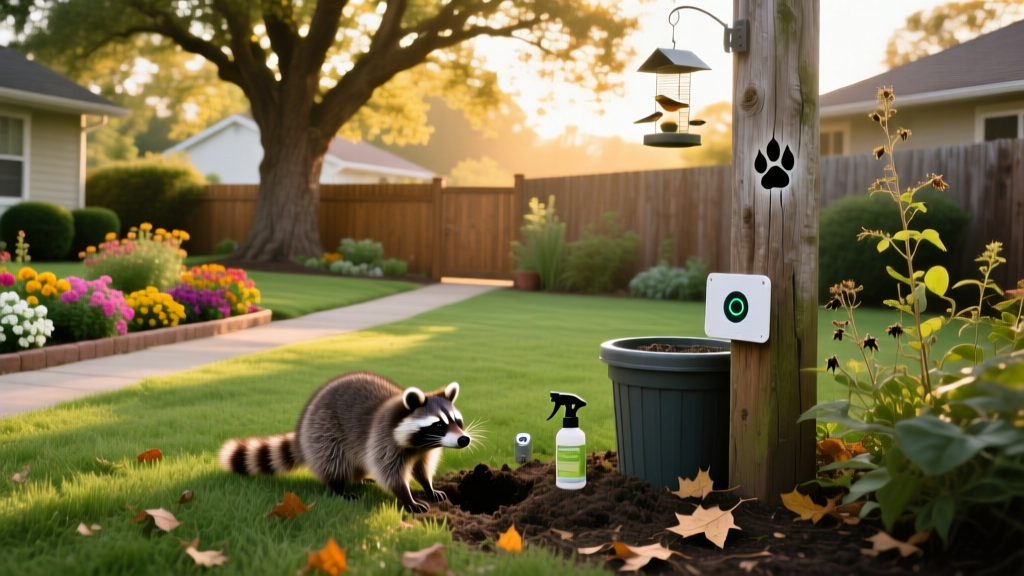
How to Get Rid of Raccoons Naturally: Organic Yard & Garden Controls
Raccoons (Procyon lotor) are highly intelligent, adaptable foragers that can cause severe structural and aesthetic damage to residential landscapes. When learning how to get rid of raccoons naturally, homeowners must move beyond temporary scare tactics and address the core attractants: food availability, shelter, and lawn-dwelling prey like white grubs. Relying on chemical repellents or toxic baits poses severe risks to non-target wildlife, pets, and local watersheds. Organic and chemical-free controls leverage sensory aversion, physical exclusion, and biological lawn management to create an environment where raccoons choose to forage elsewhere.
⚠️ Health & Safety Warning: Raccoons are primary carriers of the raccoon roundworm (Baylisascaris procyonis) and rabies. Never handle raccoon feces (latrines) without an N95 respirator, heavy rubber gloves, and a 10% bleach solution for surface decontamination. If a raccoon appears lethargic, disoriented, or is out during the day exhibiting aggressive behavior, contact local animal control immediately rather than attempting DIY removal.
Understanding Raccoon Foraging Behavior
To effectively repel raccoons organically, you must understand their caloric needs and sensory strengths. Raccoons possess highly sensitive tactile receptors in their front paws, which they use to identify food. Their olfactory senses are acute, allowing them to detect decaying organic matter and insect larvae from significant distances. According to the National Wildlife Federation, raccoons are opportunistic omnivores that will alter their home range based on seasonal food availability. In late summer and early autumn, they enter a state of hyperphagia, consuming massive quantities of calories to build fat reserves for winter, making them exceptionally persistent in raiding gardens and tearing up lawns.
The 4-Step Organic Raccoon Eviction Framework
Implementing a natural deterrent strategy requires a layered approach. No single organic product will permanently solve a raccoon infestation; success relies on combining habitat modification with sensory and physical barriers.
Step 1: Eliminate Caloric Attractants
Raccoons will not expend energy in an area that does not provide a reliable food source. Secure all trash receptacles with gravity-locks or heavy-duty bungee cords rated for at least 150 lbs of tension. For composting, avoid open-air piles. Use enclosed, dual-chamber tumblers (such as the Mantis ComposTumbler) and strictly exclude meat, dairy, and oily food scraps, which emit strong odors that penetrate standard compost covers.
Step 2: Deploy Natural Scent & Taste Aversion Sprays
Capsaicin, the active component in chili peppers, is a highly effective, organic taste deterrent. Raccoons have a strong aversion to the chemical burn it causes on their sensitive paw pads and mucous membranes.
- DIY Capsaicin Spray Recipe: Mix 1 gallon of water, 1 tablespoon of cayenne pepper powder, 1 bottle (5 oz) of hot pepper sauce, and 1 teaspoon of organic liquid castile soap (acts as a surfactant to help the mixture adhere to plant leaves).
- Application: Spray liberally on the perimeter of garden beds, corn stalks, and low-hanging fruit branches. Reapply every 48 hours and immediately after rainfall exceeding 0.25 inches.
Step 3: Install Sensory & Physical Barriers
Motion-activated water sprinklers are among the most reliable non-lethal deterrents. The Orbit Yard Enforcer utilizes a passive infrared (PIR) sensor that detects the body heat of approaching mammals. When triggered, it releases a sudden, pressurized burst of water accompanied by a mechanical clicking noise. This dual-stimulus startles the raccoon without causing physical harm. Position the sprinkler to cover primary entry points, ensuring the detection zone is angled slightly downward to catch the animal before it enters the garden bed.
Step 4: Structural Exclusion and Pruning
Raccoons are agile climbers capable of scaling rough surfaces and leaping up to 4 feet horizontally. Trim all tree branches so they are at least 6 feet away from your roofline. Wrap the lower 3 feet of fruit trees with 24-inch wide aluminum flashing to prevent climbing. Secure crawl space vents with 1/4-inch heavy-gauge welded wire mesh, as standard hardware cloth can be pried loose by adult raccoons.
Comparing Natural Raccoon Repellents: Efficacy & Cost
Choosing the right organic deterrent depends on your specific landscape layout and budget. Below is a comparison matrix of the most effective chemical-free control methods available in 2026.
| Deterrent Type | Specific Product / Method | Estimated Cost | Efficacy Duration | Best Use Case |
|---|---|---|---|---|
| Motion-Activated Sprinkler | Orbit Yard Enforcer (Model 62100) | $65 - $80 | Continuous (Battery dependent) | Open lawns, garden perimeters, koi ponds |
| Electric Poultry Netting | Premier 1 PoultryNet (42" height) | $180 - $220 | Seasonal (Must be energized) | Vulnerable vegetable patches, sweet corn plots |
| Biological Grub Control | Heterorhabditis bacteriophora Nematodes | $35 - $45 per 10M | 1-2 Seasons (Soil dependent) | Lawns experiencing sod-rolling damage |
| Taste Aversion Spray | DIY Capsaicin / Castile Soap Blend | $10 - $15 (Materials) | 48 Hours (Washes off in rain) | Fruit trees, sweet corn, melon rinds |
| Scent Masking | Beneficial Bacteria Compost Inoculants | $20 - $30 | 2-3 Weeks | Accelerating compost breakdown to reduce odors |
Advanced Organic Grub Control: The Hidden Raccoon Magnet
One of the most common reasons homeowners fail to repel raccoons is ignoring the subterranean food source: white grubs (larvae of Japanese beetles and June bugs). Raccoons will literally roll back your lawn like a carpet to access these protein-rich larvae. If your lawn has a grub population exceeding 5-10 grubs per square foot, surface deterrents will fail because the caloric reward is too high.
To solve this organically, apply beneficial nematodes, specifically the strain Heterorhabditis bacteriophora (Hb). Unlike chemical grub killers (e.g., imidacloprid), Hb nematodes are microscopic, soil-dwelling worms that actively seek out and infect grub larvae, releasing a bacteria that kills the host within 48 hours.
💡 Pro Application Tip: Apply Hb nematodes at a rate of 1 billion per 2,000 square feet. Soil temperature must be above 60°F (15°C) at the time of application. Water the lawn lightly before application to moisten the soil, and irrigate immediately after spraying to wash the nematodes down into the root zone where the grubs are feeding. Apply during early morning or late evening to avoid UV degradation.
Common Mistakes That Render Natural Deterrents Useless
Even well-intentioned organic pest control strategies can fail if executed improperly. Avoid these frequent pitfalls identified by wildlife management experts:
- Using Mothballs Outdoors: Mothballs contain naphthalene or paradichlorobenzene, which are highly toxic pesticides. Using them outdoors is illegal in most jurisdictions, contaminates groundwater, and poses severe respiratory risks to children and pets. They do not effectively repel raccoons in open-air environments.
- Relying on Ultrasonic Devices: Studies reviewed by the UC Agriculture and Natural Resources IPM program indicate that ultrasonic sound emitters have negligible long-term efficacy against raccoons. The animals quickly habituate to the noise once they realize it is not accompanied by a physical threat.
- Improper Ammonia Use: While rags soaked in ammonia mimic the scent of predator urine, the chemical evaporates rapidly in outdoor heat and can scorch nearby plant foliage. It also requires daily reapplication, making it an unsustainable strategy.
- Ignoring Latrine Cleanup: Raccoons use communal defecation sites (latrines). If you do not properly remove and decontaminate an existing latrine, the scent will continuously attract other raccoons to the exact same spot in your yard.
Frequently Asked Questions: Natural Raccoon Management
Do coffee grounds actually repel raccoons?
No. While coffee grounds can deter certain small insects and slugs due to their abrasive texture and acidity, they do not emit a strong enough odor to override a raccoon's foraging instincts. Raccoons will readily walk over and dig through soil amended with coffee grounds if grubs or roots are present beneath the surface.
Is predator urine (coyote or fox) a good organic deterrent?
Predator urine can provide temporary psychological deterrence, but it degrades rapidly under UV light and washes away completely in the rain. Furthermore, many wildlife experts, including the Humane Society of the United States, advise against it due to the unethical trapping and farming methods often used to harvest the urine. Physical barriers and motion-activated water are vastly superior and more reliable.
What should I do if a raccoon has already nested in my attic?
Do not attempt to seal the entry point while the animal is inside, especially between March and June, as you risk trapping a mother inside with dependent kits, leading to severe structural damage as she attempts to escape and animal cruelty concerns. Use a one-way exclusion door over the primary entry hole, allowing the raccoons to leave to forage but preventing re-entry. Once you confirm the attic is empty via inspection cameras or tracking dust, permanently seal the hole with 16-gauge galvanized steel mesh.
Implementing a comprehensive, organic raccoon management plan requires consistency. By systematically removing food sources, treating the underlying grub populations with biological nematodes, and deploying targeted sensory barriers like motion-activated sprinklers, you can reclaim your lawn and garden without introducing harmful chemicals into your local ecosystem.

