
Pest Control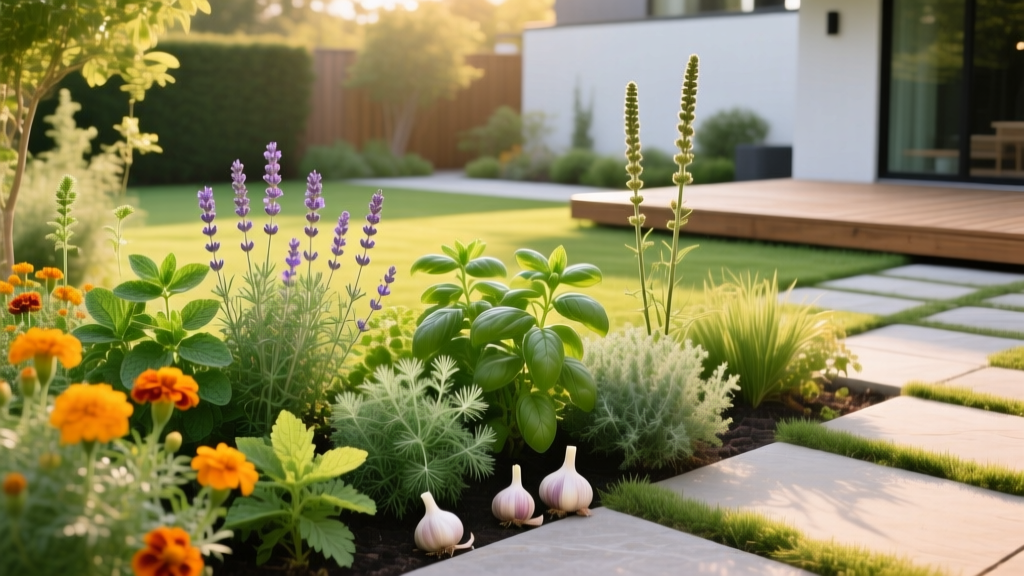
Best Plants That Keep Bugs Away and Repel Yard Rodents
The Biochemistry of Botanical Pest Defense
Integrating plants that keep bugs away into your landscaping is not merely a gardening trend; it is a scientifically backed approach to perimeter pest management. The efficacy of these plants relies on the emission of Volatile Organic Compounds (VOCs) and the presence of allelopathic chemicals in their root systems. When leaves are brushed by wind or passing animals, or when roots exude compounds into the soil, they create an olfactory and chemical barrier that disrupts the host-finding behavior of both insects and small mammals.
For instance, many aromatic herbs produce terpenes and phenolic compounds that mask the carbon dioxide and lactic acid plumes humans and pets emit, effectively hiding your yard from mosquitoes and fleas. Similarly, certain bulbous plants contain thiosulfinates, which are highly toxic to the sensitive olfactory receptors of burrowing rodents like voles and gophers. To build a robust defense, you must select species based on their specific biochemical outputs rather than just their aesthetic appeal.
Elite Plants That Keep Bugs Away (Insect-Specific)
When targeting specific insect populations, the choice of cultivar and planting density dictates success. Surface-level planting will not yield the necessary concentration of repellent compounds.
French Marigold (Tagetes patula)
While African marigolds (Tagetes erecta) offer larger blooms, French marigolds are the superior choice for subterranean pest control. Their roots exude alpha-terthienyl, a photoactive compound that suppresses root-knot nematodes (Meloidogyne spp.) and deters whiteflies. According to UC Agriculture and Natural Resources, marigolds must be grown as a solid stand for at least two to three months to effectively reduce nematode populations in the soil.
- Target Pests: Root-knot nematodes, whiteflies, mosquitoes.
- Planting Metric: Space 12 to 18 inches apart to create a dense, interlocking root mat.
- Best Cultivar: 'Janie' or 'Tangerine' for highest alpha-terthienyl concentration.
Lavender (Lavandula angustifolia)
Lavender produces high levels of linalool and linalyl acetate, compounds heavily utilized in commercial botanical insecticides. These VOCs act as a powerful deterrent against fleas, ticks, and moths. For maximum VOC emission, lavender requires full sun (minimum 8 hours) and well-draining, slightly alkaline soil (pH 6.7 to 7.3). Overwatering dilutes the essential oil concentration within the plant tissues, severely reducing its repellent properties.
Dual-Threat Flora: Stopping Rodents and Crawling Insects
Rodents and insects often share the same entry vectors into your yard. Deploying dual-threat plants addresses both vectors simultaneously, reducing the need for chemical rodenticides and broad-spectrum insecticides.
Ornamental Alliums (Allium giganteum & Allium christophii)
Members of the onion family are rich in sulfur-based compounds called thiosulfinates. While these give alliums their distinct odor, they are highly offensive to burrowing rodents. The UC IPM Pest Notes indicate that voles and gophers actively avoid tunneling through areas densely planted with Allium species due to the irritation these compounds cause to their nasal passages. Above ground, the same sulfur compounds repel aphids, cabbage worms, and Japanese beetles.
Peppermint (Mentha × piperita)
Peppermint contains high concentrations of menthol and menthone. Mice and rats possess a highly developed vomeronasal organ that is easily overwhelmed by phenolic compounds, making peppermint an excellent perimeter defense against rodents. It also repels ants and spiders.
CRITICAL WARNING: Rhizomatous Spread
Never plant mint directly into garden beds. It spreads via aggressive underground stolons and will choke out native flora and lawn grass. Always plant peppermint in 12-inch deep, bottomless metal containers sunk into the ground, or use above-ground trough planters to create a controlled scent barrier along patios and foundations.
Never plant mint directly into garden beds. It spreads via aggressive underground stolons and will choke out native flora and lawn grass. Always plant peppermint in 12-inch deep, bottomless metal containers sunk into the ground, or use above-ground trough planters to create a controlled scent barrier along patios and foundations.
Strategic Perimeter Planting Framework
Randomly scattering repellent plants yields negligible results. Effective yard defense requires a structured approach to create overlapping scent and chemical zones.
The 3-Zone Scent Barrier Technique
- Zone 1: The Foundation Line (0-2 feet from house). Plant potted peppermint and rosemary (Salvia rosmarinus) here. The goal is to mask human scent and block ant trails from entering structural cracks. Prune rosemary weekly to force the release of camphor and 1,8-cineole VOCs.
- Zone 2: The Transition Border (2-10 feet from house). Deploy lavender, chives, and daffodils (Narcissus). Daffodil bulbs contain lycorine, an alkaloid that is highly toxic to rodents, preventing them from burrowing near your foundation, while the foliage deters deer and crawling insects.
- Zone 3: The Perimeter Edge (Property lines and fence lines). Establish a dense hedge of lemongrass (Cymbopogon citratus) and interplant with French marigolds. Lemongrass contains citronellal, creating a wide-area olfactory mask against flying insects entering from neighboring properties.
Botanical Defense Comparison Matrix
Use this matrix to select the correct botanical defenders based on your specific regional pest pressures and USDA Hardiness Zones.
| Plant Species | Target Insects | Target Rodents | USDA Zones | Spacing Requirement |
|---|---|---|---|---|
| Tagetes patula (French Marigold) | Nematodes, Whiteflies | None | 2-11 (Annual) | 12-18 inches |
| Lavandula angustifolia (Lavender) | Fleas, Ticks, Moths | None | 5-9 | 24-36 inches |
| Allium giganteum (Ornamental Onion) | Aphids, Japanese Beetles | Voles, Gophers, Mice | 4-9 | 8-12 inches |
| Mentha × piperita (Peppermint) | Ants, Spiders, Fleas | Mice, Rats | 3-8 | Container only |
| Cymbopogon citratus (Lemongrass) | Mosquitoes, Stable Flies | None | 9-11 (Perennial) | 36-48 inches |
| Narcissus pseudonarcissus (Daffodil) | Japanese Beetles, Borers | Voles, Gophers, Mice | 3-9 | 4-6 inches |
Troubleshooting: Why Your Repellent Plants Might Fail
Even with the correct species, environmental mismanagement can neutralize a plant's defensive capabilities. Address these common failure modes to maintain an active biological barrier.
- Nitrogen Overloading: Applying high-nitrogen synthetic fertilizers (like 46-0-0 urea) to aromatic herbs forces rapid, watery vegetative growth at the expense of essential oil production. The plant becomes lush but loses its pungent VOC profile. Use a balanced, slow-release organic fertilizer (e.g., 5-5-5) to maintain high terpene concentrations.
- Allowing Mint to Flower: Once peppermint enters its reproductive flowering stage, the production of menthol in the leaves drops significantly as the plant redirects energy to seed production. Deadhead mint aggressively throughout the summer to force continuous vegetative growth and sustained rodent-repelling phenolic output.
- Inadequate Airflow: VOCs must be carried by air currents to form a scent barrier. Planting lavender or rosemary in dense, shaded, or heavily wind-blocked corners prevents the dispersion of linalool and camphor. Ensure perimeter plants receive cross-breezes.
- Ignoring the Environmental Protection Agency (EPA) Guidelines on Botanical Efficacy: Understand that living plants provide a localized area effect, not a yard-wide forcefield. They must be planted densely and strategically near seating areas, entryways, and foundation lines to be effective.
Frequently Asked Questions
Do plants that keep bugs away actually work, or is it a myth?
They work, but with strict limitations. Living plants do not emit enough VOCs to clear an entire half-acre yard of mosquitoes. They create localized "scent shadows" or micro-climates of protection. To achieve yard-wide control, the VOCs must be extracted and applied as a spray, or the plants must be densely packed in high-traffic zones like patios and doorways.
Which plant is best for keeping mice out of my garden shed?
Peppermint (Mentha × piperita) is the most effective botanical deterrent for mice. Plant it in heavy, immovable concrete or metal troughs directly flanking the shed doors. For enhanced efficacy, crush a handful of peppermint leaves and scatter them near the shed's foundation cracks to release an immediate, high-concentration burst of menthol.
Can I plant daffodils to stop voles from eating my hostas?
Yes. Voles will not eat daffodil bulbs due to the toxic alkaloid lycorine, and they actively avoid tunneling through the soil immediately surrounding them. Plant a dense ring of daffodils (spacing bulbs 4 inches apart) around your hosta beds in the fall. This creates a subterranean chemical fence that forces voles to bypass the area entirely.

