
Pest Control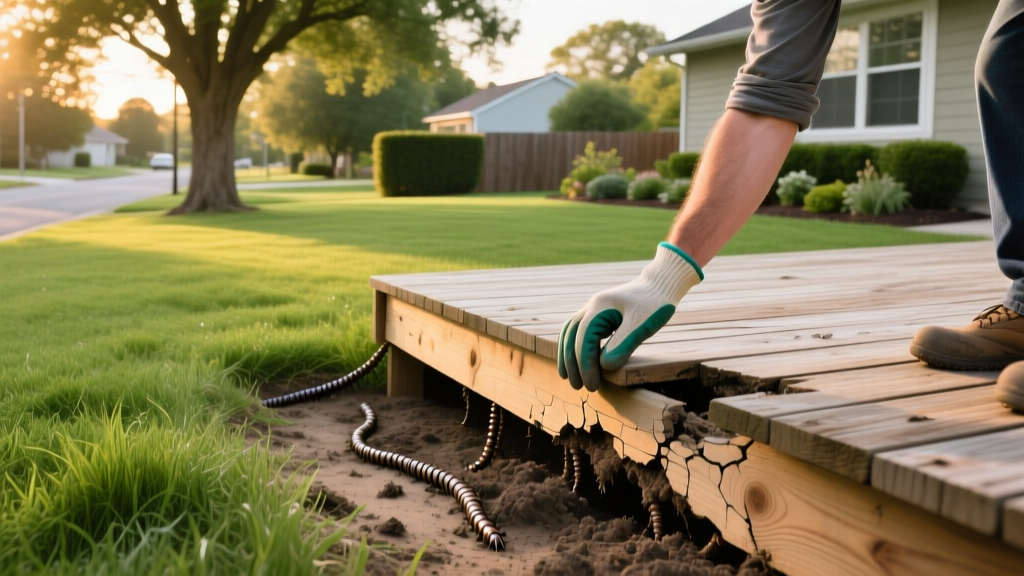
How Do You Get Rid of Termites in Your House? The Yard-to-Foundation Defense Guide
The Breach: Connecting Yard Ecology to House Infestations
If you are asking how do you get rid of termites in your house, the answer requires looking beyond your interior walls. Subterranean termites do not originate inside your home; they commute from massive underground colonies located in your yard. Eradicating an active indoor infestation requires a two-pronged approach: deploying non-repellent liquid termiticides or chitin-synthesis-inhibitor baits to collapse the colony, and engineering your yard perimeter to eliminate the moisture and wood-to-soil bridges that allow them to breach your foundation.
According to the Environmental Protection Agency (EPA), subterranean termites cause billions of dollars in structural damage annually. Because they forage blindly through soil seeking cellulose, they exploit microscopic cracks in concrete foundations. Stopping them requires creating a continuous, lethal chemical barrier in the soil or intercepting foragers before they reach the structure.
Immediate House Eradication: Liquid vs. Bait Systems
To eliminate an active colony feeding on your house, you must choose between liquid soil treatments and bait stations. Both methods utilize the termite's social grooming and trophallaxis (food sharing) behaviors to spread the active ingredient throughout the colony, eventually killing the queen.
| Feature | Liquid Termiticide (e.g., Termidor SC) | Bait Stations (e.g., Sentricon Always Active) |
|---|---|---|
| Active Ingredient | Fipronil (9.1%) | Noviflumuron (0.5%) |
| Mechanism | Non-repellent transfer effect (CNS disruption) | Chitin synthesis inhibitor (prevents molting) |
| Speed of Control | 30 to 90 days | 90 to 180 days |
| Professional Cost | $7 to $15 per linear foot | $1,500 to $3,000 initial + $400/year |
| DIY Feasibility | High (requires trenching and drilling) | Low (proprietary professional installation) |
| Longevity | 5 to 10 years in soil | Continuous (requires annual monitoring/replacement) |
The Liquid Transfer Effect
Fipronil-based products like Termidor SC or Taurus SC are the gold standard for rapid eradication. Because Fipronil is non-repellent, termites cannot detect it. They tunnel through the treated soil, pick up a lethal dose on their exoskeletons, and return to the colony. Through grooming and feeding, the toxin cascades through the population. A single 20-ounce bottle of Termidor SC costs approximately $75 and yields enough finished solution to trench 60 linear feet of foundation.
Step-by-Step DIY Soil Trenching Protocol
If you opt for a DIY liquid barrier, precision is non-negotiable. Gaps in the chemical barrier will serve as unprotected highways for foraging termites. Follow this exact protocol for a slab or crawlspace foundation:
Warning: Before trenching or drilling, call 811 to have underground utilities marked. Hitting a gas or fiber-optic line during foundation trenching is a severe hazard.
- Measure the Perimeter: Calculate the total linear footage of the foundation. Multiply this number by 4 to determine the total gallons of finished solution needed (the standard rate is 4 gallons per 10 linear feet).
- Dig the Trench: Using a trenching shovel, dig a continuous trench exactly 6 inches wide and 6 inches deep, flush against the foundation wall. Do not leave gaps at porches or patios.
- Mix the Solution: For Termidor SC, mix 0.8 fluid ounces of concentrate per 1 gallon of water. Agitate thoroughly in a 2-gallon or 4-gallon pump sprayer.
- Apply the Termiticide: Pour or spray the mixed solution evenly into the trench. For every 10 linear feet of trench, apply exactly 4 gallons of finished solution.
- Backfill and Treat: As you push the excavated soil back into the trench, apply an additional 1 gallon of solution per 10 linear feet over the backfill to ensure the topsoil layer is treated.
For concrete slabs abutting the house (like patios or garages), you must drill 1/2-inch holes through the concrete every 12 inches, staying 2 inches away from the foundation wall, and inject 0.5 gallons of solution per hole using a sub-slab injection rod.
Yard & Perimeter Defense: Cutting Off the Supply Line
Eradicating the current colony is only half the battle. If your yard remains a termite haven, a new colony will eventually exploit your foundation. The Clemson University Home & Garden Information Center emphasizes that environmental modification is the most critical long-term defense strategy.
Moisture and Mulch Management
Subterranean termites require high moisture levels to survive above ground. Your yard landscaping must actively repel moisture away from the foundation.
- The 18-Inch Mulch Rule: Never allow wood mulch to touch your siding or brick weep holes. Maintain an 18-inch gap of bare soil or inorganic gravel between the foundation and any organic mulch beds.
- Positive Grading: Ensure the soil slopes away from the foundation at a minimum drop of 6 inches over the first 10 horizontal feet. Pooling water softens soil and creates ideal termite foraging conditions.
- Sprinkler Calibration: Adjust rotor and spray heads so they do not hit the house. Constant irrigation against the siding degrades the chemical barrier and invites moisture-loving pests.
Biological Yard Control: Beneficial Nematodes
For an organic yard defense layer, apply beneficial nematodes (Steinernema carpocapsae) to your lawn and garden beds. These microscopic worms actively seek out and infect subterranean termite nymphs and larvae in the topsoil. Apply at a rate of 1 billion infective juveniles per acre (roughly 25,000 per square foot) during early spring or late summer when soil temperatures are between 60°F and 85°F. Water the lawn immediately after application to wash the nematodes into the root zone where termites forage.
"Termites are a symptom of a yard's microclimate. If you maintain dense, moisture-trapping vegetation against a structure, no chemical barrier will remain intact indefinitely. Yard defense is structural defense." — Urban Entomology Field Notes
Decision Framework: When to Call a Professional
While DIY trenching is highly effective for standard slab homes, certain architectural features mandate professional intervention. Hire a licensed pest control operator if your home features:
- Wells, Cisterns, or French Drains: Applying termiticide near subterranean drainage systems risks contaminating groundwater or rendering the chemical useless as it washes away.
- Deep Crawlspace Piers: Treating the interior piers of a crawlspace requires specialized sub-slab drilling equipment and confined-space safety gear.
- Formosan Subterranean Termites: If you live in the Gulf Coast or Southeastern US and suspect Formosan termites (identifiable by their massive carton nests in walls and aggressive foraging), DIY liquid barriers are insufficient. Formosan colonies can contain millions of termites and require professional baiting combined with direct wood treatments.
Frequently Asked Questions
Can I use indoor foggers or bug bombs to kill termites?
No. Total release foggers only kill the few winged swarmers (alates) that have emerged into the room. They do not penetrate wood or reach the subterranean colony in the yard. Relying on foggers allows the hidden worker termites to continue consuming your structural framing unchecked.
How does Penn State Extension recommend handling wood-to-ground contact?
Any structural wood touching the soil provides a direct, untreated bridge into the house. You must cut fence posts, deck stairs, and trellis bases so they sit at least 2 inches above the soil line, ideally resting on concrete piers or galvanized metal post bases.

