
Pest Control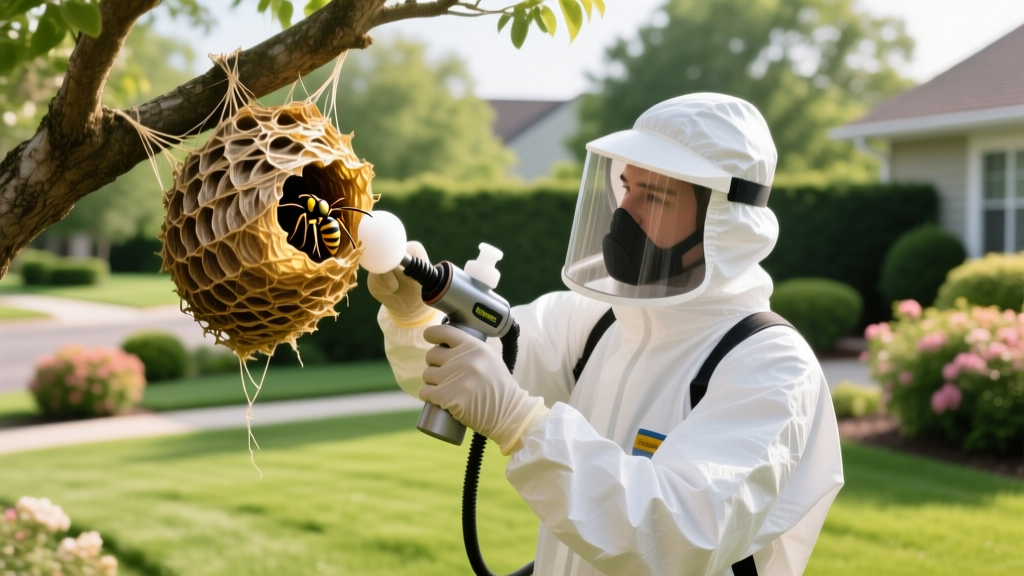
Safe Wasp Nest Extermination: A Step-by-Step Yard Defense Guide
Assessing the Threat: Identifying Your Wasp Species
Successful wasp nest extermination begins with accurate species identification. Treating a ground-dwelling yellowjacket colony with an aerial aerosol spray is a recipe for a mass-stinging event. Before purchasing any chemical controls, observe the nest architecture and the insects' flight patterns from a safe distance of at least 15 feet. According to the Environmental Protection Agency (EPA), understanding the biological differences between stinging insects is the first line of defense in integrated pest management.
| Species | Nest Architecture | Aggression Level | Optimal Treatment |
|---|---|---|---|
| Yellowjackets | Ground burrows, wall voids, enclosed paper envelopes | Highly aggressive; will pursue threats for 50+ feet | Insecticide dust (Cyfluthrin/Deltamethrin) |
| Paper Wasps | Open, umbrella-shaped combs under eaves and railings | Moderate; primarily defend immediate nest perimeter | Jet-stream aerosol sprays (Tetramethrin) |
| Bald-Faced Hornets | Large, enclosed aerial football-shaped paper nests | High; large colony sizes (up to 400 workers) | Jet-stream aerosol or professional removal |
| Mud Daubers | Solitary mud tubes on masonry or siding | Very low; rarely sting unless physically crushed | Residual liquid spray or manual scraping |
Essential Safety Gear for Wasp Nest Extermination
Never attempt DIY wasp nest extermination in standard outdoor clothing. Wasps can sting through thin fabrics, and their alarm pheromones will target any exposed skin. Invest in the following specific protective equipment:
- 3-Layer Veil Suit: A minimum of three mesh layers prevents stingers from reaching the skin through the netting.
- Double-Glove System: Wear tight-fitting nitrile gloves underneath thick, gauntlet-style leather welding gloves. Wasps can easily penetrate thin rubber, but the leather provides an impenetrable physical barrier.
- Duct Tape Cuff Seals: Use 2-inch silver duct tape to seal the junction between your gloves and sleeves, and your boots and pant legs. Wasps will fly upward when startled and seek gaps in clothing.
- Red-Light Headlamp: Wasps and hornets are virtually blind to the red light spectrum. Using a standard white flashlight will instantly trigger a defensive swarm. Equip a headlamp with a red LED filter or place red cellophane over your light source.
WARNING: Anaphylaxis and DIY Limits
According to the National Pesticide Information Center (NPIC), pesticide exposure combined with the physical stress of a sting attack can be lethal. If you have a known Hymenoptera venom allergy, or if the nest is located inside a wall void, attic, or higher than 15 feet, abort DIY efforts immediately. Hire a licensed pest control professional. In 2026, professional wasp removal typically costs between $200 and $450, a necessary expense to avoid emergency room visits.
According to the National Pesticide Information Center (NPIC), pesticide exposure combined with the physical stress of a sting attack can be lethal. If you have a known Hymenoptera venom allergy, or if the nest is located inside a wall void, attic, or higher than 15 feet, abort DIY efforts immediately. Hire a licensed pest control professional. In 2026, professional wasp removal typically costs between $200 and $450, a necessary expense to avoid emergency room visits.
Choosing the Right Extermination Method: Aerosol vs. Dust
The physical location of the nest dictates the chemical formulation you must use. Liquid aerosols and dry dusts operate on entirely different mechanical principles.
Aerosol Jet Sprays (For Exposed Aerial Nests)
Aerosol cans formulated for wasps use a specialized nozzle to project a concentrated stream of liquid insecticide up to 22 feet. The active ingredients, typically Tetramethrin and Prallethrin, are fast-acting neurotoxins that cause immediate knockdown. This prevents the wasps from taking flight and pursuing you. However, aerosols only kill on direct contact and leave minimal residual effect.
Insecticide Dusts (For Ground and Cavity Nests)
Dust formulations, such as Tempo 1% Dust (active ingredient: Cyfluthrin), are mandatory for subterranean yellowjackets or nests hidden behind vinyl siding. When applied to the entrance hole, foraging wasps pick up the microscopic dust particles on their legs and antennae. Through a process called trophallaxis (food sharing) and physical grooming, they carry the lethal dust deep into the colony, eliminating the queen and the brood within 48 to 72 hours.
| Product Type | Example Brands | Active Ingredients | Best Use Case | Avg. Cost (2026) |
|---|---|---|---|---|
| Wasp Jet Aerosol | Raid Wasp & Hornet, Spectracide | Tetramethrin, Prallethrin | Exposed eaves, railings, branches | $6 - $12 |
| Insecticide Dust | Tempo 1% Dust, Delta Dust | Cyfluthrin, Deltamethrin | Ground burrows, wall voids, attics | $18 - $28 |
| Residual Liquid | Talstar P, Bifen IT | Bifenthrin | Perimeter prevention, mud daubers | $25 - $40 |
The Dusk Protocol: Step-by-Step Aerial Nest Removal
Timing is the most critical variable in wasp nest extermination. Wasps are highly active during the heat of the day, with thousands of foragers scattered across your yard. You must execute the treatment when the entire colony is inside the nest and their metabolic rate is suppressed.
- Preparation (Noon): Locate the nest during the day from a safe distance. Clear the ground beneath it of tripping hazards like garden hoses or tools. Map out a clear, unobstructed escape route.
- Wait for Dusk (Temperature Drop): Wait until at least one hour after sunset, or until the ambient temperature drops below 70°F (21°C). Cooler temperatures significantly slow the wasps' flight response.
- The Approach: Turn on your red-filtered headlamp. Walk slowly to avoid creating heavy vibrations, which wasps detect through their feet. Keep your body profile low.
- The Strike: Stand 12 to 15 feet away. Aim the aerosol nozzle directly at the nest entrance (usually at the bottom of the envelope). Depress the trigger and sweep the stream across the nest for a continuous 10 to 15 seconds, thoroughly saturating the paper.
- Retreat and Wait: Immediately walk (do not run) away along your planned escape route. Do not return to the area for at least 24 hours to allow the neurotoxin to neutralize the entire colony.
"Never use a ladder to reach a high wasp nest. If the wasps swarm, your instinct will be to swat at them, resulting in a catastrophic fall. Use an extended-reach pole sprayer or hire a professional with an aerial lift."
Ground Nest and Hidden Cavity Tactics
Treating a ground nest requires a completely different methodology. Never plug the entrance hole of a ground nest immediately after treatment. If you seal the hole with dirt or a rock before the colony is dead, the trapped yellowjackets will simply chew a new exit point, often emerging inside your basement or living space if the nest is near a foundation crack.
Using a bulb duster, puff 3 to 4 grams of Cyfluthrin dust directly into the burrow entrance at dusk. Leave the hole completely open. The returning foragers will track the dust inside. Check the entrance after 72 hours. If you see no flight activity during a warm afternoon, the colony has been eradicated. Only then should you fill the hole with soil and compact it.
Post-Extermination Cleanup and Prevention
Once the nest is confirmed dead, physically remove it. For aerial nests, use a long-handled scraper to knock the nest into a heavy-duty trash bag. Crucially, you must scrape away the pedicel—the small stem that attaches the nest to the wood. The pedicel contains residual colony pheromones that can attract new, overwintering queens to the exact same spot the following spring.
After removal, spray the surrounding 3-foot area with a residual liquid concentrate like Bifen IT (7.9% Bifenthrin). This leaves a micro-crystalline barrier that remains lethal to stinging insects for up to 90 days, preventing immediate recolonization.
Frequently Asked Questions
Can I use soapy water instead of chemical pesticides?
Yes, a mixture of 4 tablespoons of Dawn dish soap per gallon of water in a pump sprayer can kill wasps on contact by breaking down their exoskeleton's waxy cuticle, causing them to suffocate. However, this lacks the 20-foot jet reach of commercial aerosols and offers zero residual protection, making it highly risky for large or aggressive colonies.
Why are the wasps still flying around 24 hours after I sprayed?
You are likely seeing foragers that were away from the nest during the treatment. When they return to find their nest saturated with neurotoxins, they will eventually die, but it can take 48 hours for the stragglers to succumb. Do not re-spray immediately; wait a full 48 hours before assessing the need for a second application.
Does painting my eaves prevent wasps from building nests?
Paper wasps prefer bare, weathered wood to scrape for cellulose. Painting or varnishing your eaves, fascia boards, and railings removes their building material, acting as a highly effective, non-toxic deterrent.

