
Pest Control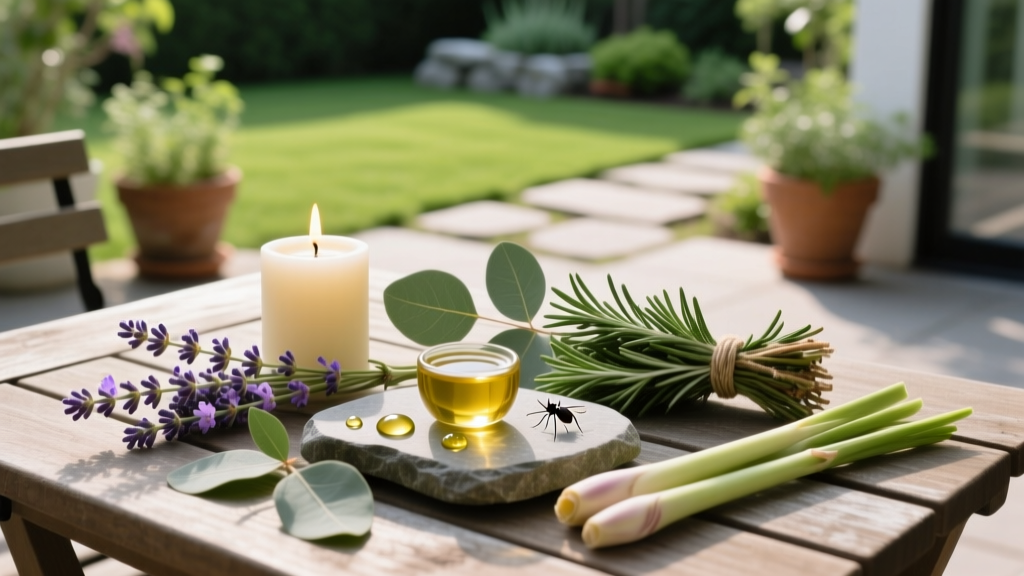
What Scents Do Fleas Hate? 7 Natural Repellents That Work
Fleas rely heavily on their highly developed olfactory system to locate hosts, navigate environments, and identify safe breeding grounds. When you introduce specific volatile organic compounds (VOCs) into their environment, you effectively blind their sensory receptors. Understanding what scents fleas hate is the foundation of building a natural, non-toxic pest management strategy for your yard, especially if you want to avoid broad-spectrum synthetic pyrethroids that harm beneficial pollinators.
According to the Centers for Disease Control and Prevention (CDC), fleas thrive in shaded, humid microclimates. By targeting these specific zones with scent-based repellents, you can disrupt their life cycle without resorting to harsh chemical treatments. Below, we break down the exact scents that repel fleas, the science behind their efficacy, and how to formulate and apply them safely around dogs and cats.
The Science of Olfactory Disruption
Fleas possess specialized sensory organs, including the antennae and maxillary palps, which detect carbon dioxide, body heat, and specific host odors. Essential oils that repel fleas contain high concentrations of monoterpenes, sesquiterpenes, and phenols. When these compounds saturate the air in your yard, they overwhelm the flea's chemoreceptors. This does not necessarily kill the adult flea on contact (though some oils like cedarwood can be lethal in high concentrations), but it creates an invisible barrier that prevents them from settling, feeding, or laying eggs.
Many of these plant-derived oils fall under the EPA's Minimum Risk Pesticides (FIFRA Section 25(b)) list, meaning they are exempt from federal registration requirements because their active ingredients pose little to no risk to human health or the environment when used as directed.
7 Scents Fleas Hate (And Their Active Compounds)
1. Cedarwood (Juniperus virginiana)
Cedarwood is the undisputed heavyweight of natural flea control. Its primary active compounds, cedrol and thujopsene, act as both a powerful repellent and a desiccant. In high concentrations, cedarwood oil dehydrates flea eggs and larvae, while the strong woody scent deters adults. It is highly effective in shaded yard borders and under decks.
2. Lavender (Lavandula angustifolia)
While humans find lavender relaxing, fleas despise it due to its high linalool content. Linalool is a naturally occurring terpene that acts as a central nervous system depressant in many insects. Lavender is best used as a perimeter spray rather than a heavy soil drench.
3. Eucalyptus (Eucalyptus globulus)
Eucalyptus oil contains eucalyptol (1,8-cineole), which masks the carbon dioxide and lactic acid trails that fleas use to track pets and humans. It is highly volatile, meaning it evaporates quickly, so it requires more frequent reapplication in outdoor settings.
4. Lemongrass (Cymbopogon citratus)
Rich in citral and geraniol, lemongrass oil disrupts the flea's ability to detect host odors. It is a common active ingredient in commercial natural yard sprays because it blends well with cedarwood to create a broader spectrum of olfactory disruption.
5. Peppermint (Mentha piperita)
The high menthol concentration in peppermint oil irritates the flea's sensory organs. However, it is highly toxic to cats (more on this below) and must be used with extreme caution in households with felines.
6. Rosemary (Rosmarinus officinalis)
Rosemary contains camphor and alpha-pinene. It is particularly effective when planted as a living border around patios, but as an essential oil spray, it provides a strong, lingering scent barrier that fleas actively avoid.
7. Citronella (Cymbopogon nardus)
Best known for repelling mosquitoes, citronella's high citronellal content also masks host scents from fleas. It is most effective when combined with a heavier oil like cedarwood to slow down its evaporation rate in the sun.
Scent Efficacy and Pet Safety Matrix
Not all natural scents are safe for all pets. Felines, in particular, lack the hepatic enzyme glucuronyl transferase (specifically UGT1A1), which is required to break down certain phenols and monoterpenes. Always consult this matrix before mixing a DIY yard spray.
| Essential Oil | Primary Active Compound | Repellency Strength | Dog Safe? | Cat Safe? |
|---|---|---|---|---|
| Cedarwood | Cedrol, Thujopsene | Very High | Yes | Yes (if properly diluted) |
| Lavender | Linalool | Moderate | Yes | Yes (low dilution) |
| Eucalyptus | Eucalyptol | Moderate | Yes | No |
| Lemongrass | Citral, Geraniol | High | Yes | No |
| Peppermint | Menthol | High | Yes | No (Highly Toxic) |
| Rosemary | Camphor, Alpha-pinene | Moderate | Yes | No |
| Citronella | Citronellal | Moderate | Yes | No |
⚠️ Critical Feline Toxicity Warning
If you have outdoor cats or neighborhood strays that frequent your yard, avoid using peppermint, eucalyptus, tea tree, and citrus-based oils in your DIY sprays. Inhalation or paw-grooming ingestion of these oils can lead to severe hepatotoxicity and central nervous system depression in cats. Stick strictly to Cedarwood (Juniperus virginiana) and highly diluted Lavender for cat-safe yard treatments.
How to Formulate a DIY Flea-Repellent Yard Spray
A common failure point in DIY pest control is improper emulsification. Essential oils are hydrophobic; if you simply mix them with water, the oil will float to the top, resulting in a clogged sprayer and uneven application. You must use a surfactant.
The Heavy-Duty Cedarwood Emulsion Recipe
- 1 Gallon of warm water
- 2 oz (60 ml) of 100% pure Cedarwood essential oil (*Juniperus virginiana*)
- 1 oz (30 ml) of Lemongrass essential oil (Optional, omit if cats are present)
- 2 Tablespoons of liquid Castile soap (e.g., Dr. Bronner's Unscented) — This acts as the emulsifier.
Application Protocol
- Mix the Surfactant: In a small bowl, whisk the essential oils into the Castile soap until the mixture turns cloudy and opaque. This confirms the oil is temporarily suspended.
- Dilute: Pour the emulsion into a 1-gallon pump sprayer, then add the warm water. Agitate vigorously.
- Target Microclimates: Fleas cannot survive in direct, scorching sunlight. Focus your spraying on shaded soil, under porches, along fence lines, inside dog houses, and in dense ground cover like ivy.
- Timing: Apply at dusk. UV radiation degrades the terpenes in essential oils rapidly. Spraying in the evening allows the scent to saturate the soil overnight when fleas are most active.
- Reapplication: Reapply every 7 to 10 days, or immediately after a heavy rainfall (more than 0.5 inches).
Commercial vs. DIY Scent Repellents: Cost and Efficacy
If formulating your own emulsion is impractical, commercial botanical sprays offer pre-mixed, stabilized alternatives. As of 2026, the market is dominated by a few key players utilizing cedarwood and lemongrass.
- DIY Formulation: Costs roughly $18 to $25 upfront for a 4 oz bottle of therapeutic-grade cedarwood oil and a bottle of Castile soap. Yields approximately 8 to 10 gallons of spray over time. Cost per gallon: ~$2.50.
- Commercial Ready-to-Spray (e.g., Wondercide Flea & Tick Yard Spray): A 32 oz hose-end bottle typically retails between $35 and $45. It covers up to 5,000 square feet and includes proprietary emulsifiers and natural adjuvants that extend the residual scent life on grass blades. Cost per application: ~$35.00.
The Verdict: DIY is significantly more cost-effective for large properties (over 1/4 acre) where you need to mix multiple gallons. Commercial hose-end sprays are superior for small urban yards (under 2,000 sq ft) due to the convenience of the built-in siphon sprayer and stabilized shelf-life.
Frequently Asked Questions
Do dryer sheets repel fleas in the yard?
No. The idea that rubbing dryer sheets on pets or placing them in the yard repels fleas is a persistent internet myth. While dryer sheets contain linalool and beta-citronellol, the concentration is far too low to disrupt a flea's olfactory system. Furthermore, leaving dryer sheets in your yard introduces microplastics and synthetic surfactants into your soil ecosystem.
Can I spray essential oils directly on my dog?
Never apply undiluted essential oils directly to a dog's coat. If you want to use a scent-based deterrent on your pet, dilute 3 to 5 drops of cedarwood oil in 1 ounce of a carrier oil (like fractionated coconut oil) and apply it to the base of the tail and the back of the neck. Avoid the face, eyes, and mucous membranes.
Why did my DIY spray stop working after two days?
Essential oils are highly volatile. If you sprayed at 10:00 AM on a sunny, 85°F day, the UV radiation and heat likely evaporated the active terpenes within 24 hours. Always spray at dusk, and ensure you are using an emulsifier like Castile soap to help the oils bind to soil particles and grass blades rather than sitting on the surface and evaporating immediately.

