
Pest Control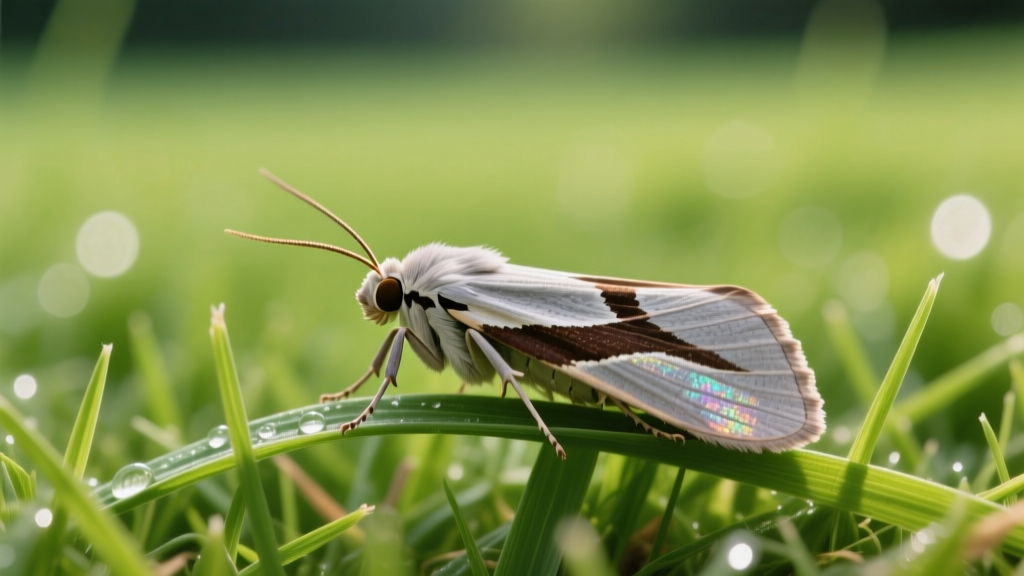
Spotting the Sod Webworm Moth: Lawn Defense & Treatment Guide
The Paradox of the Sod Webworm Moth
Seeing a sod webworm moth fluttering across your lawn at dusk is not a direct threat to your turf, but it is a critical warning sign. The adult moths (primarily Crambus and Herpetogramma species) do not feed on grass. However, they are the reproductive engines for the sod webworm larvae—the voracious caterpillars that chew through grass blades and can decimate a cool-season lawn in a matter of weeks. Effective yard defense requires using the moth as an early detection system to time your larval treatments perfectly.
The Lifecycle: Why Timing Dictates Treatment Success
Sod webworms overwinter as partially grown larvae in silk-lined tunnels within the thatch layer. As soil temperatures rise above 55°F in early spring, they resume feeding before pupating. The adult sod webworm moth emerges in late spring to early summer, laying hundreds of eggs that hatch into the destructive summer generations.
| Life Stage | Duration | Turf Impact | Control Viability |
|---|---|---|---|
| Egg | 7-10 days | None | Not targeted |
| Early Larva (Instars 1-3) | 2-3 weeks | Minor surface grazing | Highly susceptible to Btk |
| Late Larva (Instars 4-6) | 2-3 weeks | Severe blade defoliation | Requires Spinosad or Pyrethroids |
| Pupa | 1-2 weeks | None | Not susceptible |
| Adult Moth | 7-14 days | None (Egg laying) | Not targeted |
Spotting the Warning Signs: Moth Flights and Turf Damage
Before you reach for an insecticide, confirm that the sod webworm moth is actually the culprit. Misidentifying drought stress or fungal disease as insect damage leads to wasted chemicals and unresolved lawn decline.
- The Moth Flight: Adult moths are tan or grayish-brown, roughly 1 inch long, and hold their wings tightly against their bodies like a cylinder when resting. They exhibit a distinct, erratic, zigzag flight pattern just above the turf canopy when disturbed by walking or mowing at dusk.
- Leaf Notching: Inspect the edges of damaged grass blades. Webworms chew along the margins, leaving ragged, notched edges rather than clean cuts.
- Frass and Webbing: Part the grass canopy in damaged areas. You will find bright green, pellet-like feces (frass) and fine silk webbing binding the soil and thatch together.
- Avian Activity: Flocks of starlings, robins, or grackles aggressively pecking at your lawn are often hunting webworm larvae.
The Soap Flush Test: Confirming Larval Presence
Never treat a lawn based solely on the presence of the sod webworm moth. You must confirm active larval populations and measure them against the economic threshold. According to Penn State Extension, the standard threshold for treatment is 10 to 15 larvae per square yard.
Step-by-Step Soap Flush Protocol
- Mix the Solution: Combine 2 tablespoons of lemon-scented liquid dish soap with 2 gallons of water in a watering can.
- Mark the Area: Outline a 1-square-yard section (3 ft x 3 ft) at the margin of damaged and healthy turf.
- Drench the Soil: Pour the soapy mixture evenly over the marked area. The soap irritates the larvae's skin and disrupts the surface tension of their silk tunnels.
- Wait and Count: Wait 10 minutes. The larvae will wriggle to the surface. Count them. If you find 10 or more, treatment is immediately required.
Targeted Treatment Protocols
Once the threshold is breached, select a treatment based on the larval stage, environmental constraints, and your preference for organic versus conventional chemistry. Apply all treatments in the late afternoon or early evening, as webworms feed at night and UV light degrades many active ingredients.
| Active Ingredient | Product Example | Est. Cost (2026) | Target Stage | Re-entry Interval |
|---|---|---|---|---|
| Bacillus thuringiensis var. kurstaki (Btk) | Monterey B.t. | $18 / 16 oz | Early Instars (1-3) | 4 hours |
| Spinosad | Captain Jack's Deadbug Brew | $25 / 32 oz | Early to Mid Instars | 4 hours |
| Bifenthrin (7.9%) | Talstar P Professional | $45 / 32 oz | All Larval Stages | 12 hours |
| Chlorantraniliprole | Acelepryn | $120 / 8 oz | Preventative / Early | Until dry |
Biological Controls: Btk and Spinosad
Btk is a naturally occurring soil bacterium that produces proteins toxic only to the alkaline digestive systems of caterpillars. It must be ingested by early-stage larvae to be effective. If your soap flush reveals large, mature caterpillars, Btk will fail. Spinosad offers a broader window of efficacy, acting both through ingestion and contact, making it an excellent organic-compliant choice for mid-stage infestations.
Conventional Pyrethroids: Fast Knockdown
For severe, late-stage infestations where turf is actively dying, synthetic pyrethroids like Bifenthrin provide rapid knockdown. Bifenthrin binds tightly to the thatch and soil organic matter, providing residual control for up to 30 days. However, pyrethroids are highly toxic to aquatic invertebrates and pollinators. Never apply bifenthrin near storm drains, water features, or blooming weeds like clover and dandelions.
Cultural Defense: Making Your Lawn Uninviting
Chemical and biological treatments only solve the immediate problem. Long-term yard defense requires altering the habitat to deter the sod webworm moth from laying eggs and to make the environment hostile to surviving larvae.
Thatch Management
Sod webworms thrive in thick thatch layers (greater than 0.5 inches), which provide insulation, moisture, and hiding spots from predators. Core aerate your lawn annually in the fall. If thatch exceeds 0.75 inches, use a power dethatcher in early spring or early fall to physically remove the habitat.
Endophyte-Enhanced Turfgrasses
Research highlighted by University of Kentucky Entomology shows that turfgrasses infected with beneficial endophytic fungi are highly resistant to sod webworm feeding. The fungi produce alkaloids that are toxic to surface-feeding insects. When overseeding damaged areas, specifically seek out endophyte-enhanced perennial ryegrass and tall fescue cultivars. Note: Endophytes do not survive in Kentucky bluegrass, making bluegrass lawns inherently more vulnerable.
Strategic Irrigation
While drought stress makes grass more susceptible to severe damage, overwatering promotes the fungal diseases that often follow insect injury. Maintain a deep, infrequent watering schedule—providing 1 to 1.5 inches of water per week, applied in 1 or 2 sessions to encourage deep root growth that can tolerate minor surface grazing.
Frequently Asked Questions
Do bug zappers help control the sod webworm moth?
No. Bug zappers predominantly kill beneficial insects and non-target moths. Sod webworm moths are not strongly attracted to the UV light spectrums used in standard commercial zappers, and killing a few adults will not significantly impact the localized egg-laying population.
Can nematodes be used against sod webworms?
Beneficial nematodes (specifically Steinernema carpocapsae) can parasitize sod webworm larvae in the soil. However, they require precise application conditions: soil temperatures above 60°F, high soil moisture, and immediate irrigation after application to wash them into the thatch. They are best used as a preventative soil drench rather than a curative treatment for an active, visible infestation.
Why did my lawn turn brown a week after I treated for webworms?
Insecticides kill the larvae, but they do not instantly repair the chewed grass blades. If the crown of the grass plant was not destroyed, the turf will push new growth from the base within 10 to 14 days, provided it receives adequate water and a light application of nitrogen fertilizer to stimulate recovery.

