
Pest Control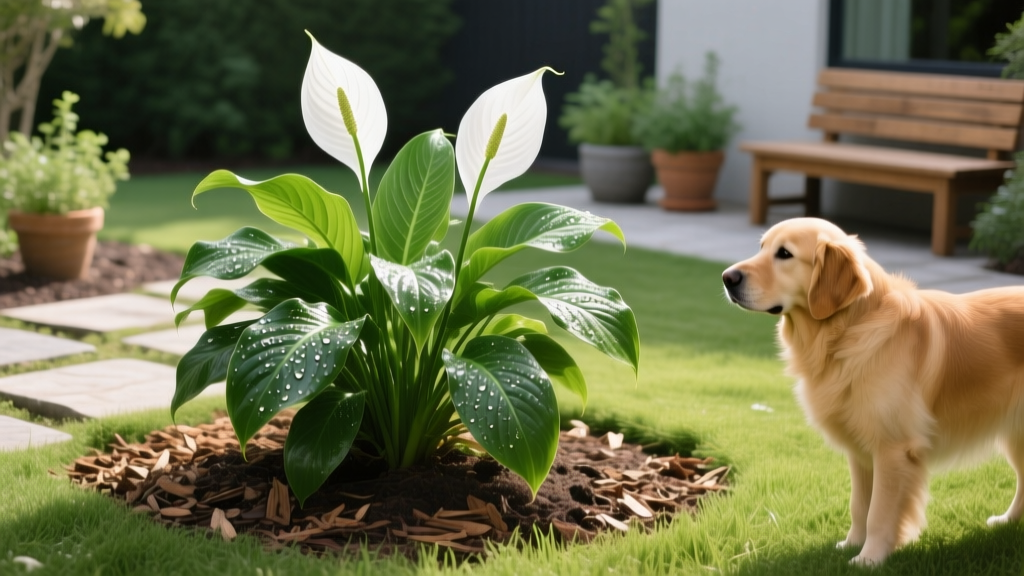
Are Spathiphyllum Poisonous to Dogs? Toxicity & Safety Guide
The Short Answer: Understanding Peace Lily Toxicity
Yes, Spathiphyllum—commonly known as the Peace Lily—is poisonous to dogs. However, the nature of this toxicity is frequently misunderstood by homeowners and gardeners. Unlike "true lilies" (Lilium and Hemerocallis species), which contain highly lethal compounds that cause acute renal failure (primarily in felines), the Peace Lily belongs to the Araceae family. Its toxicity stems from insoluble calcium oxalate crystals, which cause intense, localized oral and gastrointestinal irritation rather than systemic organ failure.
While a Peace Lily ingestion is rarely fatal to a canine, the resulting pain, swelling, and secondary dehydration from vomiting require immediate attention. Understanding the exact mechanism of this plant's defense system is critical for managing garden hazards and executing proper first aid.
The Science of Raphides: How Spathiphyllum Defends Itself
To effectively manage plant hazards in your landscape, you must understand how they interact with canine biology. The leaves, stems, and roots of the Spathiphyllum contain specialized cells called idioblasts. Inside these cells are tightly packed, microscopic, needle-like crystals known as raphides.
When a dog chews on the plant, the mechanical pressure ruptures the idioblasts, shooting these sharp raphides into the mucous membranes of the dog's lips, tongue, and esophagus. This triggers an immediate neurogenic inflammatory response. The intense burning sensation acts as a natural deterrent, which is why most dogs will drop the plant after the first bite and rarely ingest enough foliage to cause severe systemic complications.
⚠️ Critical Distinction for Multi-Pet Homes: While Spathiphyllum is classified as a mild-to-moderate toxic threat to dogs, the insoluble calcium oxalates cause identical oral irritation in cats. However, if your garden contains Lilium (True Lilies) or Hemerocallis (Daylilies), these represent a fatal emergency for felines, requiring immediate dialysis-level intervention. Always verify the exact botanical genus of any lily on your property.
Botanical Identification: Spotting Spathiphyllum in Your Landscape
Accurate identification is the first step in garden pest and hazard control. Spathiphyllum wallisii is the most common cultivar found in indoor and shaded outdoor environments. Here is how to distinguish it from non-toxic lookalikes:
- Leaves: Glossy, dark green, lanceolate (lance-shaped) leaves with deeply recessed, parallel venation. They typically grow 12 to 18 inches long in standard cultivars, though giant varieties like Spathiphyllum 'Sensation' can exceed 3 feet.
- The "Flower" (Spathe): The prominent white structure is not actually a petal, but a modified leaf called a spathe that wraps around the true flowers.
- The Spadix: The upright, cylindrical, pale yellow or green spike in the center of the spathe where the microscopic flowers are located.
Clinical Signs: Symptom Timeline and Severity
Because the toxicity is mechanical and localized, symptoms manifest almost instantly. Below is the clinical progression you should monitor if you suspect your dog has chewed on a Peace Lily.
| Symptom | Onset Time | Severity & Clinical Notes |
|---|---|---|
| Ptyalism (Hypersalivation) | Immediate (1-5 mins) | Mild to Moderate. Excessive drooling as the body attempts to flush the oral cavity. |
| Pawing at the Mouth | Immediate (1-5 mins) | Moderate. Indicates acute oral pain and the presence of embedded raphides. |
| Oropharyngeal Edema | 15-60 mins | Moderate to Severe. Swelling of lips, tongue, and vocal cords. Can cause dysphagia (difficulty swallowing). |
| Emesis (Vomiting) | 30-120 mins | Mild. Usually self-limiting, but repeated vomiting risks secondary dehydration. |
Immediate First Aid and Veterinary Protocols
If you catch your dog in the act of chewing a Spathiphyllum, rapid intervention can significantly reduce tissue damage and veterinary costs. Follow this exact protocol:
- Clear the Oral Cavity: Safely restrain your dog and gently wipe the inside of their mouth, gums, and tongue with a cool, damp cloth to remove residual plant matter and unembedded crystals.
- Offer a Soothing Liquid: Provide a small amount of cool water or low-sodium chicken broth to encourage swallowing and help wash the raphides down into the stomach, where gastric acids will begin to break them down. Avoid dairy milk if your dog has a history of lactose intolerance, as GI upset will compound the vomiting.
- Do NOT Induce Vomiting: Never administer 3% hydrogen peroxide unless explicitly directed by a veterinarian. The mechanical action of vomiting forces the sharp calcium oxalate crystals back up the esophagus, causing secondary lacerations and worsening the inflammation.
- Contact Toxicology Experts: Call the ASPCA Animal Poison Control Center (888-426-4435) or the Pet Poison Helpline (855-764-7661). Consultation fees of $75-$95 apply, but they will generate a case number and provide exact dosage instructions for your local vet.
The Financial Reality of Emergency Vet Visits
Homeowners managing garden hazards should budget for potential emergencies. A mild Peace Lily ingestion typically requires an emergency clinic exam ($80-$150) and a dose of an anti-emetic like Cerenia (maropitant citrate) to halt vomiting ($30-$60). Total costs for a mild case range from $150 to $300. However, if a small-breed dog ingests a large quantity and develops severe airway edema requiring corticosteroids, oxygen therapy, and IV fluids, costs can easily exceed $1,200.
Pet-Proofing Strategies and Safe Alternatives
If you want to maintain lush, tropical foliage in your home or shaded garden beds without risking your dog's health, you must substitute hazardous plants with verified safe alternatives. Physical barriers like hanging baskets or raised terrariums work for small dogs, but for large breeds that can reach high shelves, plant substitution is the only foolproof method.
Pro-Tip for Gardeners: When purchasing replacement plants, always verify the botanical name on the nursery tag. Common names like "Lily" are applied to dozens of unrelated species, many of which are highly toxic. Rely strictly on the Latin binomial nomenclature.
Comparison Matrix: Toxic vs. Safe Tropical Houseplants
| Botanical Name | Common Name | Dog Safe? | Light Requirements |
|---|---|---|---|
| Spathiphyllum wallisii | Peace Lily | NO | Low to Medium Indirect |
| Chlorophytum comosum | Spider Plant | YES | Bright Indirect |
| Calathea makoyana | Peacock Plant | YES | Medium Indirect |
| Nephrolepis exaltata | Boston Fern | YES | Medium Indirect / High Humidity |
| Zamioculcas zamiifolia | ZZ Plant | NO | Low Light Tolerant |
By understanding the specific biological mechanisms of Spathiphyllum toxicity, homeowners can make informed decisions about landscape design and indoor plant placement. Replacing calcium oxalate-bearing plants with pet-safe botanical alternatives ensures your garden remains a visually striking, yet entirely safe, environment for your canine companions.

