Pest Control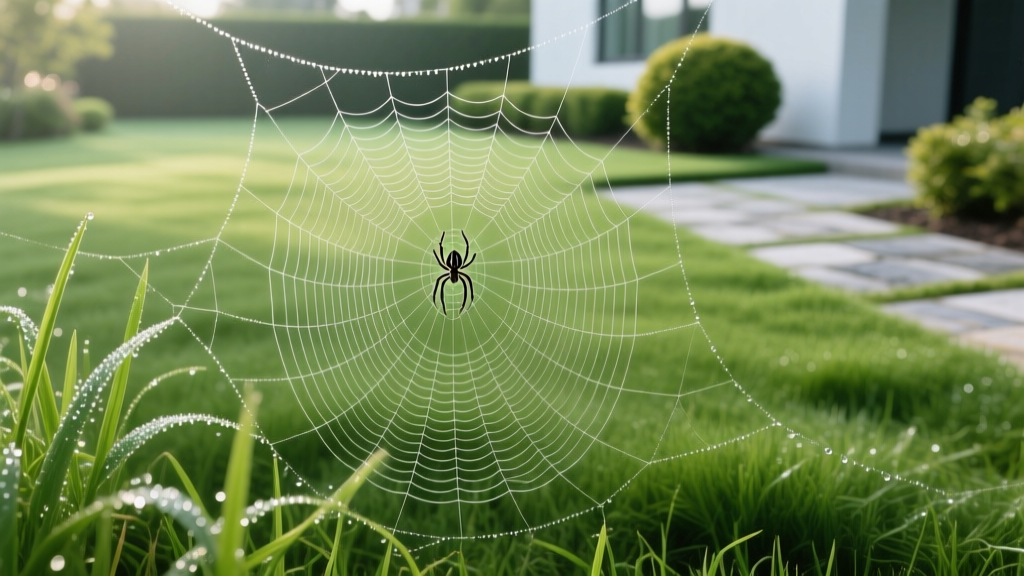
Spider Webs on Lawn: Harmless Arachnids or Sod Webworms?
Stepping onto your grass at dawn and seeing a blanket of white silk can trigger immediate alarm. Most homeowners assume they are looking at a massive arachnid infestation or a severe fungal disease. However, identifying the true nature of spider webs on lawn surfaces is the first critical step in effective yard defense. In the vast majority of cases, you are looking at one of two very different phenomena: the harmless, beneficial morning dew catching the webs of ground-hunting spiders, or the destructive silk tunnels of sod webworm caterpillars. Misdiagnosing the issue leads to unnecessary pesticide applications that damage your local ecosystem, or worse, ignoring a caterpillar infestation until your turf is destroyed.
The Morning Dew Illusion: Beneficial Spiders vs. Lawn Pests
Funnel weavers (family Agelenidae) and wolf spiders are highly beneficial predators that frequently build horizontal sheet webs or resting burrows in the thatch layer of healthy turf. During the night, these arachnids patrol your lawn for mosquitoes, ticks, and agricultural pests. When morning dew settles, the intricate geometry of their silk becomes hyper-visible, creating the illusion of a lawn entirely "covered" in webs.
According to the University of Minnesota Extension, these ground-dwelling spiders are crucial components of natural insect and rodent yard defense. By decimating the populations of grubs, beetles, and flying insects, spiders inadvertently remove the primary food source that attracts foraging rodents like mice and voles to your yard. If the webs you see are delicate, horizontal sheets that disappear once the sun dries the grass, and the turf underneath is green and intact, you have no pest problem. You have a highly effective, free biological control system working on your property.
The Real Culprit: Identifying Sod Webworm Silk
If the "webs" look more like patchy, silken tunnels woven directly into the soil and thatch, and the grass above is chewed or brown, you are likely dealing with sod webworms (Herpetogramma and Crambus species). These are not spiders at all; they are the larval stage of lawn moths. The caterpillars spin protective silk burrows in the thatch to hide from predators during the day, emerging at night to feed.
Identifying sod webworm damage requires looking past the silk. Inspect the edges of the brown patches for specific failure modes:
- Notched Blades: Webworms chew ragged, uneven notches into the sides of grass blades, unlike the clean cuts of a dull mower blade.
- Frass Accumulation: Look for small, greenish-brown, pellet-like droppings (frass) caught in the thatch near the silk tunnels.
- Thatch Tunnels: The silk is not a delicate canopy; it is a dense, matted tube binding soil and dead grass together.
Diagnostic Field Test: The Soapy Water Flush
Do not apply insecticides based on visual suspicion alone. Use a soapy water flush to force hidden larvae to the surface. This diagnostic test costs pennies and takes 15 minutes, providing absolute certainty before you spend money on treatments.
- Mix the Solution: Combine 2 tablespoons of liquid dish detergent (standard Dawn works perfectly) with 1 gallon of water in a watering can.
- Target the Margins: Pour the mixture evenly over a 1-square-yard area at the edge of the damaged brown patch, where active feeding is occurring. Avoid the dead center, as caterpillars have usually already moved on from completely defoliated zones.
- Wait and Observe: Wait 10 to 15 minutes. The soap irritates the caterpillars' skin, forcing them out of their silk tunnels and onto the grass surface.
- Count the Pests: If you see more than 4 to 6 greenish-gray, spotted caterpillars (about 3/4-inch long) writhing on the surface per square yard, treatment is economically justified.
Treatment Matrix: Organic vs. Conventional Webworm Control
If your soap flush confirms a sod webworm infestation, select your treatment based on your lawn's ecological profile, the severity of the damage, and your budget. The University of Kentucky Entomology department emphasizes targeting early-instar larvae for maximum efficacy.
| Product Type | Active Ingredient | Cost per 1,000 sq ft | Application Timing | Pet & Pollinator Safety |
|---|---|---|---|---|
| Organic Bt (e.g., Monterey B.t.) |
Bacillus thuringiensis kurstaki | $3.50 - $5.00 | Late afternoon/evening; targets young larvae only. | Highly safe; zero impact on bees, pets, or earthworms. |
| Biological Insecticide (e.g., Captain Jack's) |
Spinosad | $4.00 - $6.00 | Evening application; highly effective on all larval stages. | Safe for pets once dry; toxic to bees if sprayed directly. |
| Conventional Preventative (e.g., Scotts GrubEx) |
Chlorantraniliprole | $1.50 - $2.50 | Early summer (prevents egg hatch); residual control for months. | Very low toxicity to mammals and pollinators. |
| Conventional Curative (e.g., Bayer Advanced) |
Cyfluthrin / Bifenthrin | $2.00 - $3.50 | Immediate knockdown for severe, late-stage outbreaks. | Toxic to aquatic life and bees; keep pets off until dry. |
Pro-Tip for Liquid Applications: When spraying Bt or Spinosad for sod webworms, mow your lawn immediately before application and use a nozzle that delivers large droplets rather than a fine mist. The goal is to wash the active ingredient down into the thatch layer where the caterpillars are hiding, not leave it on the surface of the grass blades where UV light will rapidly degrade the biological agents.
Cultural Controls: Making Your Lawn Hostile to Webworms
Chemical and biological treatments are only temporary fixes if your lawn's physical environment invites moth egg-laying. Implement these specific cultural adjustments to break the reproductive cycle:
1. Aggressive Thatch Management
Sod webworms require a thick thatch layer to build their silk tunnels and retain moisture. If your thatch exceeds 0.5 inches, rent a power dethatcher in early fall or core-aerate the lawn. A dense, impenetrable thatch layer is a webworm nursery; a tightly managed turf canopy forces moths to seek easier targets.
2. Optimize Mowing Heights
Mow your turf at the higher end of its recommended range (typically 2.5 to 3.5 inches for cool-season fescues and Kentucky bluegrass). Taller grass shades the soil surface, creating a cooler microclimate that discourages adult moths from depositing eggs, which prefer warm, exposed soil.
3. Strategic Irrigation
Webworm damage is most severe during late-summer drought stress. Moths actively seek out drought-stressed turf because the plants' natural chemical defenses are lowered. Watering deeply and infrequently (1 inch per week) keeps the grass vigorous enough to outgrow minor feeding damage.
When to Leave the "Spider Webs" Alone: Ecological Yard Defense
If your diagnostic soap flush yields zero caterpillars, and the webs vanish by noon, you must recognize the ecological value of the arachnids living in your grass. From an insect and rodent yard defense perspective, a robust population of funnel weavers and wolf spiders is an asset.
"A single wolf spider can consume hundreds of pest insects over a summer season. By maintaining a healthy, pesticide-free thatch layer that supports these arachnids, homeowners naturally suppress the very insect populations that draw destructive rodents and secondary pests into the landscape."
Summary Decision Framework:
IF webs are delicate, horizontal, disappear when dry, and grass is green THEN do nothing; let spiders manage your pest population.
IF webs are matted tunnels in thatch, grass is notched/brown, and soap flush reveals caterpillars THEN apply Bt kurstaki (organic) or Chlorantraniliprole (conventional) at dusk.
IF webs are delicate, horizontal, disappear when dry, and grass is green THEN do nothing; let spiders manage your pest population.
IF webs are matted tunnels in thatch, grass is notched/brown, and soap flush reveals caterpillars THEN apply Bt kurstaki (organic) or Chlorantraniliprole (conventional) at dusk.
Frequently Asked Questions
Can spider webs on my lawn cause the grass to die?
No. True spiders do not feed on plant tissue; they are strictly carnivorous. If the grass beneath the webs is dying, the webs belong to sod webworm caterpillars, or the turf is suffering from an unrelated issue like drought stress, fungal pathogens (such as dollar spot), or grub damage.
Will broad-spectrum insecticides kill beneficial lawn spiders?
Yes. Products containing bifenthrin or cypermethrin will decimate your lawn's beneficial spider population. This often leads to a secondary pest outbreak, as the natural predators of mosquitoes, ticks, and agricultural flies are eliminated. Always use targeted biologicals like Bt kurstaki when treating caterpillar-specific issues to preserve your arachnid defenders.
How do I prevent moths from laying eggs in my lawn next year?
The most effective preventative measure is an early summer application of a chlorantraniliprole-based product (like Scotts GrubEx or Syngenta Acelepryn). Applied in May or June, this active ingredient binds to the soil and thatch, safely eliminating young larvae as they hatch from moth eggs, long before they can spin destructive webs or chew your turf.