Pest Control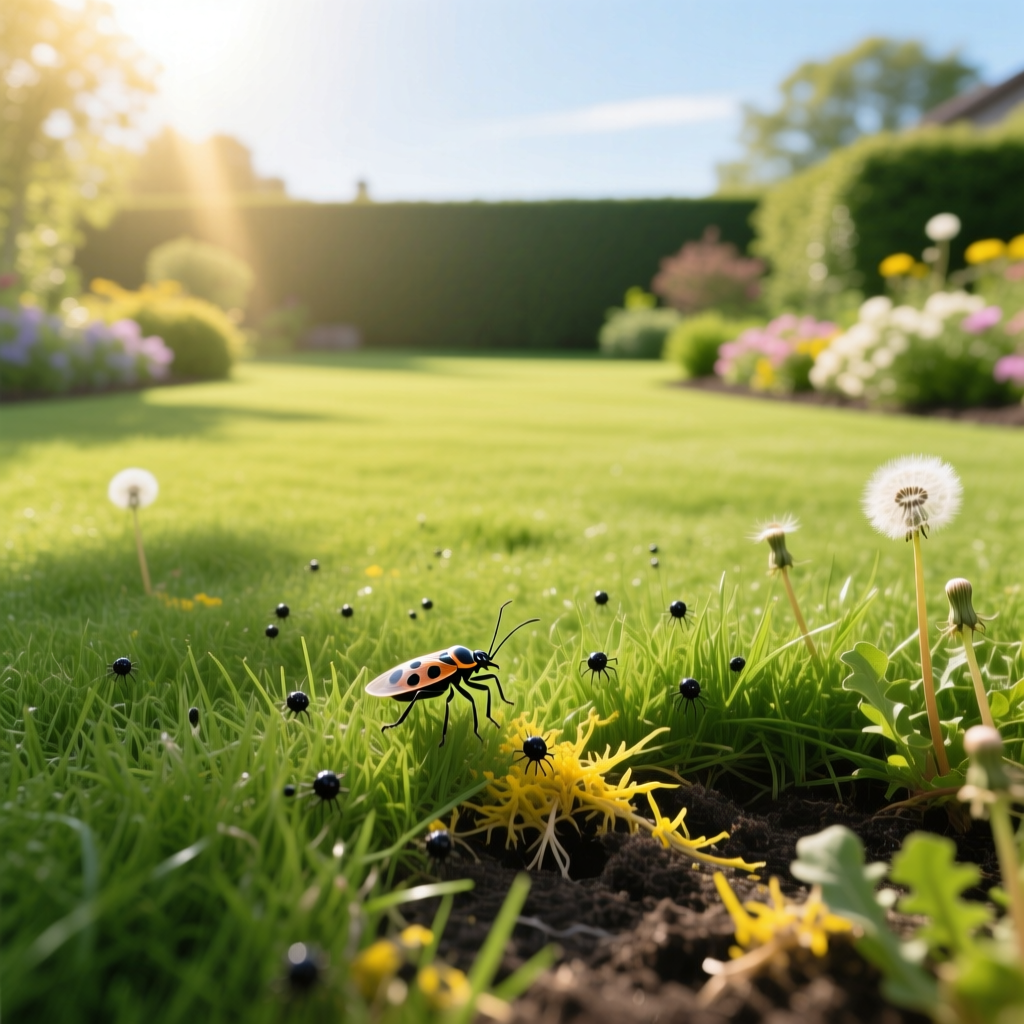
How to Spot & Control Chinch Bugs Before Lawn Destruction
Emily WatsonPublished
How to Spot & Control Chinch Bugs Before Lawn Destruction
Chinch bugs are among the most destructive lawn pests in North America, yet their damage is often mistaken for drought stress or poor irrigation until it's too late. These tiny insects, measuring barely a fifth of an inch long, can devastate an entire lawn in a matter of weeks if left unchecked. They feed by piercing grass blades and sucking out the plant juices, simultaneously injecting a toxin that kills the turf from the inside out. Understanding how to detect, prevent, and control chinch bugs is essential for any homeowner who wants to maintain a healthy, vibrant lawn.
What makes chinch bugs particularly insidious is their stealth. They operate at the soil line, hidden among the thatch and base of grass blades, making early detection a challenge for even the most attentive gardeners. By the time visible damage appears—typically yellowing or browning patches that resemble drought stress—a significant infestation may already be well underway. The good news is that with the right knowledge and a proactive approach, you can spot chinch bugs early and take action before they cause irreversible destruction to your turf.
In this comprehensive guide, we'll walk you through everything you need to know about chinch bugs: how to identify them, recognize the warning signs of an infestation, implement preventive lawn care practices, apply effective DIY treatments, and know when it's time to call in professional pest control services. Whether you're dealing with an active problem or simply want to safeguard your lawn against future threats, this article will equip you with practical, proven strategies.
Identifying Chinch Bugs & Recognizing Early Signs of Damage
Before you can control chinch bugs, you need to know what you're looking for. Chinch bugs (Blissus species) go through several life stages, and their appearance changes as they mature. Adult chinch bugs are small—approximately 1/6 to 1/5 of an inch long—with black bodies and white wings that fold over their backs in a distinctive pattern. The wings feature a triangular black mark, giving them a somewhat hourglass appearance when viewed from above. Nymphs, the juvenile stage, start out bright red with a white band across their back and gradually darken through orange and brown stages before reaching their adult black-and-white coloring.
Chinch bugs are most active during warm weather, typically from late spring through early fall. They thrive in hot, dry conditions and are particularly fond of St. Augustine grass, though they will also attack Bermuda grass, zoysia, centipede grass, and various fescue species. Understanding their preferred habitat and seasonal patterns is critical for effective monitoring.
The Damage Pattern
Chinch bug damage follows a recognizable pattern that, once understood, makes early detection much more achievable. The first signs typically appear as irregular yellow or brown patches in areas of the lawn that receive the most direct sunlight. These patches often begin near sidewalks, driveways, or the edges of garden beds where heat radiates from hardscape surfaces and creates ideal conditions for chinch bug activity.
Unlike drought damage, which tends to affect the lawn uniformly, chinch bug damage appears in scattered, expanding patches. The grass within these patches will initially turn yellow, then progress to a straw-brown color as the toxins injected by the bugs kill the plant tissue. A key distinguishing feature is that affected grass will not recover even after thorough watering—a clear indicator that the damage is caused by pests rather than insufficient moisture.
The Tin Can Test
One of the most reliable and simplest methods for confirming a chinch bug infestation is the tin can test, also known as the flotation method. Here's how to perform it:
- Remove both ends of a metal coffee can or similar cylindrical container
- Push the can several inches into the soil at the edge of a damaged area, where healthy grass meets dying grass
- Fill the can with water and wait for about five minutes
- Observe the surface of the water for floating chinch bugs
- Repeat this test in several locations across your lawn
If you count more than 20 to 25 chinch bugs per square foot, treatment is necessary. Even finding a handful of bugs during this test indicates a population that could escalate quickly under favorable conditions. For more detailed information on lawn monitoring techniques, check out our comprehensive lawn maintenance checklist.
Seasonal Awareness
Timing plays a crucial role in chinch bug detection. In most regions, the first generation of chinch bugs emerges in late spring, and populations can produce two to four generations per year depending on the climate. Peak activity typically coincides with the hottest, driest months. Homeowners should begin monitoring their lawns in earnest when daytime temperatures consistently exceed 80°F and continue vigilant inspections throughout the warm season. Early detection during the first generation can prevent exponential population growth later in the season.
Prevention Strategies: Building a Lawn That Resists Chinch Bugs
The most effective approach to chinch bug management is prevention. A healthy, well-maintained lawn is naturally more resistant to pest infestations, and several cultural practices can make your turf significantly less attractive to these destructive insects. Investing time in preventive care is far less costly and labor-intensive than dealing with a full-blown infestation.
Proper Watering Practices
Chinch bugs thrive in hot, dry conditions, and drought-stressed lawns are far more susceptible to infestation. Establishing a consistent, deep watering schedule is one of the most powerful preventive measures you can take. Water your lawn deeply but infrequently—aim for about one to one-and-a-half inches of water per week, applied in one or two sessions rather than light daily sprinklings. This encourages deep root growth, which makes grass more resilient to both pest damage and environmental stress.
During peak chinch bug season, maintaining adequate soil moisture is especially critical. Moist soil conditions are less favorable for chinch bug survival and reproduction, as excessive moisture can actually drown nymphs and discourage egg-laying. However, be careful not to overwater, as this can lead to fungal diseases and other lawn problems. Our guide on proper lawn watering techniques offers detailed advice on finding the right balance.
Mowing Height & Frequency
Mowing your lawn at the correct height is another essential preventive practice. Chinch bugs prefer short, stressed grass, so maintaining your turf at the recommended height for your grass species creates a less hospitable environment. For St. Augustine grass, maintain a height of three to four inches; for Bermuda grass, aim for one to two inches; and for zoysia, keep it between one-and-a-half to two-and-a-half inches.
Never remove more than one-third of the grass blade in a single mowing session, as this causes stress that makes the lawn more vulnerable to pest attacks. Sharp mower blades are also important—dull blades tear the grass rather than cutting it cleanly, creating wounds that invite disease and make the plant more attractive to sap-sucking insects like chinch bugs. Visit our mowing best practices guide for more tips on maintaining optimal turf height.
Thatch Management
Thatch—the layer of dead and living organic matter that accumulates between the soil surface and the green grass canopy—plays a complicated role in chinch bug infestations. A thin layer of thatch (less than half an inch) is beneficial, as it helps retain soil moisture and moderates soil temperature. However, excessive thatch provides an ideal habitat for chinch bugs, offering them shelter from predators and environmental extremes while keeping them close to their food source.
If your thatch layer exceeds half an inch, consider dethatching your lawn using a power rake or vertical mower. Core aeration is another effective method for managing thatch while simultaneously improving soil drainage and reducing compaction. Both practices promote healthier root systems and create conditions less favorable for chinch bug colonization. Learn more about dethatching and aeration in our dedicated guide.
Fertilization & Soil Health
A well-nourished lawn with balanced soil nutrition is better equipped to withstand and recover from chinch bug damage. However, excessive nitrogen fertilization can actually promote chinch bug populations by stimulating rapid, succulent grass growth that is more attractive to these pests. Use slow-release nitrogen fertilizers and follow soil test recommendations to maintain balanced nutrition without overfeeding.
Healthy soil biology also plays a role in natural pest suppression. Soils rich in beneficial microorganisms and organic matter support robust grass growth and can harbor natural predators of chinch bugs, such as beneficial nematodes and predatory beetles. Top-dressing with compost and minimizing the use of broad-spectrum pesticides helps maintain this beneficial soil ecosystem.
Choosing Resistant Grass Varieties
If you're establishing a new lawn or renovating an existing one, consider selecting grass varieties with known resistance to chinch bugs. Some St. Augustine cultivars, such as 'Floratam,' have demonstrated significant resistance to chinch bug feeding. Endophyte-enhanced varieties of fescue and ryegrass also contain naturally occurring fungi that deter many lawn pests, including chinch bugs. Consult with your local extension office or our grass selection guide to identify the best options for your region.
DIY Solutions: Natural & Chemical Treatments for Chinch Bug Control
When prevention alone isn't enough and you've confirmed a chinch bug presence through monitoring, it's time to take action. A range of do-it-yourself treatment options are available, from natural and organic methods to targeted chemical applications. The best approach depends on the severity of the infestation, the size of the affected area, and your personal preferences regarding chemical use.
Natural & Biological Controls
Beneficial Nematodes: One of the most effective natural treatments for chinch bugs involves applying beneficial nematodes—microscopic roundworms that parasitize and kill soil-dwelling insects. The species Steinernema carpocapsae and Heterorhabditis bacteriophora are particularly effective against chinch bugs. Nematodes are applied as a liquid suspension using a hose-end sprayer and must be watered into the soil where they seek out and infect their hosts. This method is safe for humans, pets, and beneficial insects like earthworms and pollinators.
For best results, apply nematodes in the early morning or evening when temperatures are moderate, and keep the soil moist for several days after application to ensure the nematodes survive and remain active. Multiple applications may be necessary for severe infestations, spaced about two weeks apart.
Insecticidal Soaps: Insecticidal soaps work by disrupting the cell membranes of soft-bodied insects, including chinch bug nymphs. These products are most effective when applied directly to the insects, so thorough coverage at the soil line and base of grass blades is essential. Insecticidal soaps have minimal impact on beneficial insects once they dry and break down quickly in the environment, making them a good choice for spot treatments of small infestations.
Diatomaceous Earth: Food-grade diatomaceous earth (DE) is a natural powder made from fossilized algae that damages the exoskeletons of insects, causing them to dehydrate and die. Apply DE to affected areas of the lawn, focusing on the thatch layer and soil surface where chinch bugs are active. Note that DE loses its effectiveness when wet, so reapplication is necessary after rain or irrigation. This treatment works best as a supplementary measure rather than a standalone solution for heavy infestations.
Big-Eyed Bugs & Natural Predators: Encouraging natural predators is a long-term biological control strategy. Big-eyed bugs (Geocoris species) are among the most important natural enemies of chinch bugs and are often found in the same habitats. These beneficial insects are similar in size to chinch bugs but can be distinguished by their prominent, bulging eyes. Avoid broad-spectrum insecticides that would kill these helpful predators along with the pests. Lady beetles, lacewings, and certain parasitic wasps also prey on chinch bugs and their eggs.
Chemical Control Options
When natural methods are insufficient or when dealing with a large-scale infestation that threatens significant lawn damage, targeted chemical treatments may be warranted. Always read and follow label instructions carefully, and apply chemicals only when monitoring confirms that chinch bug populations have reached damaging thresholds.
Pyrethroid-Based Insecticides: Products containing bifenthrin, cyfluthrin, lambda-cyhalothrin, or permethrin are widely available for homeowner use and provide effective contact control of chinch bugs. These insecticides work by disrupting the nervous system of the insects and typically provide rapid knockdown of active populations. Apply them to affected areas and a buffer zone of several feet beyond the visible damage to catch bugs that are migrating outward.
Systemic Insecticides: Products containing imidacloprid or clothianidin work differently—they are absorbed by the grass and kill chinch bugs when they feed on treated plants. Systemic insecticides offer longer residual control and are less affected by rain or irrigation once they've been taken up by the plant. They are best applied preventively or at the first sign of infestation, as they take longer to become effective than contact insecticides.
Insect Growth Regulators (IGRs): IGRs such as pyriproxyfen or methoprene disrupt the development and reproduction of chinch bugs rather than killing them outright. While they don't provide immediate relief from feeding damage, they are valuable as part of an integrated pest management strategy because they prevent the next generation from maturing and reproducing. IGRs are often combined with contact insecticides for both immediate and long-term control.
Regardless of which chemical approach you choose, timing is critical. Treat chinch bugs when nymphs are small and most vulnerable, typically in late spring to early summer for the first generation. Rotate between different chemical classes to prevent the development of resistance in chinch bug populations. For more information on safe pesticide use around your home, visit our safe pesticide guide.
When to Call Professional Pest Control Services
While many chinch bug infestations can be managed with diligent DIY efforts, there are situations where professional intervention is not just advisable but essential for saving your lawn. Recognizing these scenarios early can prevent extensive damage and the higher costs associated with lawn renovation or replacement.
Signs You Need Professional Help
Widespread Damage: If more than 30 percent of your lawn shows signs of chinch bug damage—yellowing, browning, or dead patches that don't respond to watering—professional treatment is likely necessary. At this level of infestation, the bug population is typically so large that DIY products and methods cannot achieve adequate coverage or penetration to bring the population under control quickly enough to prevent further destruction.
Recurring Infestations: If you've treated for chinch bugs multiple times throughout the season or across consecutive seasons and the problem keeps returning, a professional pest control company can identify underlying factors contributing to the persistent infestation. They have access to commercial-grade products and application equipment that provide deeper, more thorough treatment than consumer-grade alternatives.
Multiple Pest Pressures: Chinch bugs rarely exist in isolation. Lawns stressed by chinch bugs may simultaneously be dealing with grubs, sod webworms, armyworms, or fungal diseases. Professional pest control services can accurately diagnose complex lawn problems and develop comprehensive treatment plans that address all active issues simultaneously. If you suspect multiple pests are affecting your lawn, our lawn pest identification guide can help you narrow down the culprits before consulting a professional.
Lawn Renovation Needs: When chinch bug damage has killed large sections of your lawn, professional services can assist not only with eliminating the remaining pest population but also with soil preparation, reseeding or resodding, and establishing a preventive treatment program to protect the new turf. This integrated approach ensures that your investment in lawn renovation isn't immediately compromised by a lingering pest problem.
What to Expect from Professional Treatment
Professional pest control companies typically begin with a thorough inspection and assessment of your lawn, including soil sampling and the flotation test to quantify chinch bug populations. Based on their findings, they'll recommend a treatment plan that may include a combination of contact and systemic insecticides, growth regulators, and cultural practice modifications. Most professional treatments involve multiple visits spaced several weeks apart to ensure complete control across all life stages of the pest.
Many companies also offer ongoing lawn care programs that include preventive treatments, fertilization, and regular monitoring as part of a subscription service. While these programs represent an ongoing investment, they can be cost-effective when compared to the expense of repeated DIY treatments and lawn renovation necessitated by unchecked pest damage. When selecting a pest control provider, look for licensed, insured companies with positive reviews and experience specifically in turf grass pest management.
Post-Treatment Lawn Recovery
After successful chinch bug elimination—whether through DIY or professional treatment—your lawn will need time and care to recover. Dead patches should be raked out and reseeded or resodded during the appropriate planting season for your grass type. Applying a starter fertilizer to renovated areas promotes rapid establishment, and maintaining consistent moisture during the establishment period is critical. Our lawn repair guide provides step-by-step instructions for restoring damaged areas to full health.
Frequently Asked Questions About Chinch Bugs
How quickly can chinch bugs destroy a lawn?
Under favorable conditions—hot, dry weather with an established population—chinch bugs can cause significant visible damage within two to three weeks. A heavy infestation of 100 or more bugs per square foot can kill large sections of turf in a matter of days. The speed of destruction depends on the size of the population, the health and vigor of the grass, environmental conditions, and the grass species. St. Augustine grass is particularly vulnerable and can succumb rapidly, while more resilient species like Bermuda grass may tolerate higher populations before showing severe damage. This is why regular monitoring during peak season is so important—early detection gives you the time needed to intervene before the population reaches destructive levels.
Can chinch bugs spread to neighboring lawns?
Yes, chinch bugs are highly mobile and can spread from one lawn to another. Adult chinch bugs can fly short distances, and they also walk across the soil surface in search of new feeding areas. When a heavily infested lawn becomes depleted of healthy food sources, large numbers of chinch bugs may migrate en masse to adjacent properties, often traveling along sidewalks, driveways, or fence lines. If your neighbors have a chinch bug problem, your lawn is at elevated risk. Communicating with neighbors about pest issues and coordinating treatment efforts can help prevent reinfestation. Creating a buffer zone of well-watered, healthy turf along property boundaries can also serve as a partial deterrent, as chinch bugs prefer dry, stressed grass.
Are chinch bugs harmful to humans or pets?
Chinch bugs are not harmful to humans or pets. They do not bite, sting, or transmit diseases. They are strictly plant-feeding insects that pose no direct health risk to people or animals. However, the insecticides used to control them can be hazardous if not handled properly. Always follow label directions when applying any pest control product, keep children and pets off treated areas until the application has dried or as directed by the product label, and store all chemicals securely out of reach. If you're using natural treatments like nematodes or insecticidal soaps, the risk to humans and pets is negligible, making these options attractive for households with young children or animals that spend time on the lawn.
Will watering my lawn more frequently eliminate chinch bugs?
While increasing irrigation alone will not eliminate an established chinch bug infestation, proper watering is an important component of an integrated management strategy. Chinch bugs prefer dry conditions, and consistently moist soil can reduce nymph survival and discourage egg-laying. Overhead irrigation can also physically dislodge some bugs from the grass and thatch layer. However, excessive watering can lead to other problems, including fungal diseases, shallow root growth, and nutrient leaching. The key is to maintain adequate but not excessive soil moisture—about one to one-and-a-half inches of water per week, applied deeply. Think of proper watering as a preventive and supportive measure rather than a standalone treatment. For a complete overview of lawn watering strategies, read our article on smart irrigation scheduling.
How can I tell the difference between chinch bug damage and drought stress?
Distinguishing between chinch bug damage and drought stress is one of the most common challenges homeowners face, as the symptoms can look remarkably similar. Both cause yellowing and browning of grass, and both are more likely to appear during hot, dry weather. However, there are several key differences. Drought stress typically affects the lawn more uniformly, with the entire lawn or large sections showing signs of wilting, curling blades, and a bluish-gray tint before turning brown. Chinch bug damage, by contrast, appears in irregular, localized patches that expand outward over time, often starting near heat-reflecting surfaces like sidewalks and driveways. The most definitive test is to water the affected area thoroughly—if the grass is simply drought-stressed, it will begin to recover within 24 to 48 hours. If the damage is caused by chinch bugs, the brown patches will persist and may even continue to spread despite adequate watering. Performing the tin can flotation test described earlier in this article will confirm whether chinch bugs are present.
By staying vigilant, maintaining a healthy lawn through sound cultural practices, and responding quickly at the first sign of trouble, you can protect your turf from the devastating effects of chinch bugs. Regular monitoring during warm months, combined with the preventive and treatment strategies outlined in this guide, will keep your lawn green, thick, and thriving season after season. For additional lawn care tips and pest management advice, explore our complete library of lawn care guides and pest control resources.
