Pest Control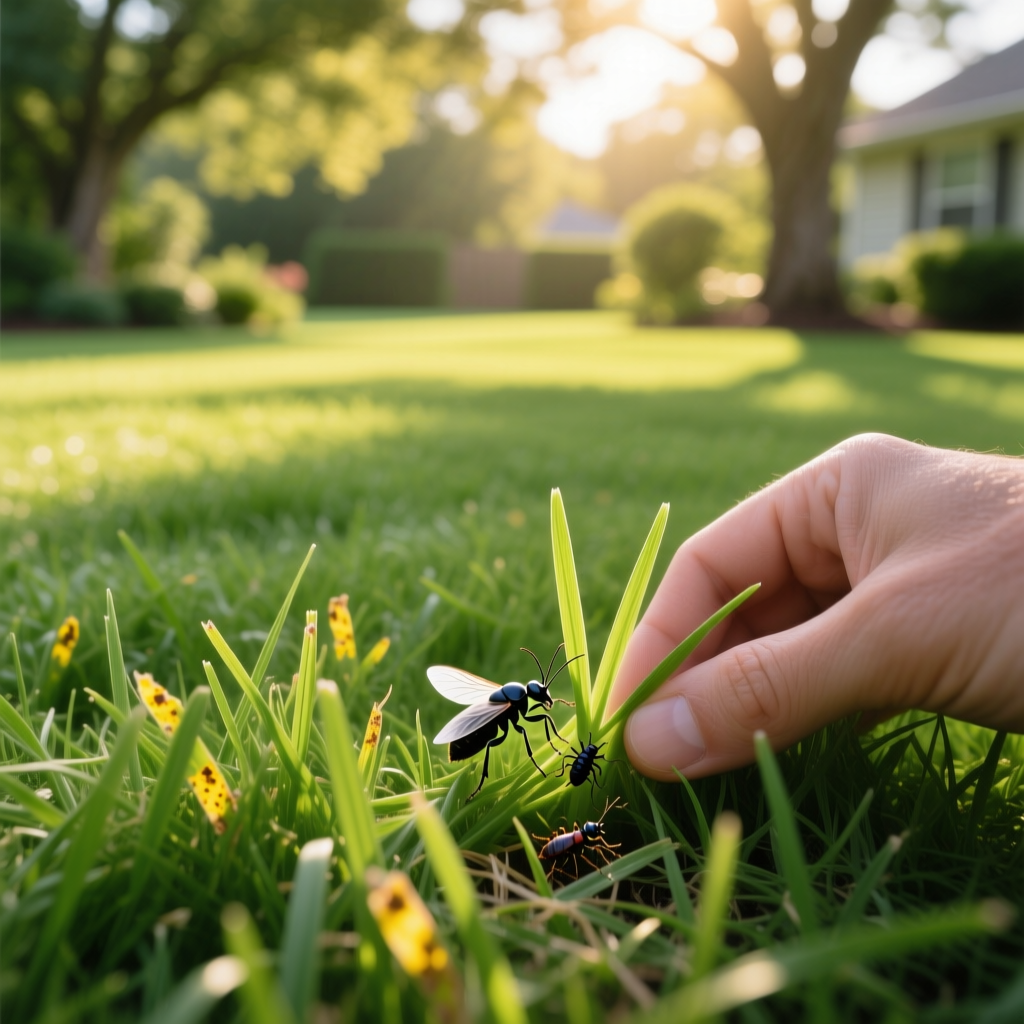
How to Spot & Eliminate Chinch Bugs in St. Augustine Grass Lawns
Emily WatsonPublished
How to Spot & Eliminate Chinch Bugs in St. Augustine Grass Lawns
St. Augustine grass is one of the most popular warm-season turfgrasses in the southern United States, prized for its lush, carpet-like appearance and shade tolerance. Unfortunately, it also happens to be the favorite food of one of the most destructive lawn pests: the southern chinch bug (Blissus insularis). These tiny insects can wreak havoc on your lawn before you even realize they are there, turning vibrant green turf into brown, dead patches in a matter of weeks.
Chinch bugs are particularly dangerous because their damage is often mistaken for drought stress, heat damage, or fungal disease. By the time homeowners realize what is actually happening, the infestation may already be severe. The good news is that with proper identification, timely intervention, and a solid prevention strategy, you can protect your St. Augustine lawn from these persistent pests and keep your turf healthy for years to come.
In this comprehensive guide, we will walk you through everything you need to know about chinch bugs in St. Augustine grass lawns — from early detection and accurate identification to effective DIY elimination methods and long-term prevention strategies. Whether you are dealing with a current infestation or simply want to safeguard your lawn, this article has you covered.
Identifying Chinch Bugs & Their Damage in St. Augustine Grass
Before you can eliminate chinch bugs, you need to confirm that they are actually the problem. Misdiagnosis is one of the most common mistakes homeowners make, leading to wasted time, money, and ineffective treatments. Here is what you need to know about identifying both the pest and the damage it causes.
What Do Chinch Bugs Look Like?
Adult southern chinch bugs are small — roughly 1/8 to 1/5 of an inch long — with black bodies and white wings that fold over their backs, creating a distinctive triangular or hourglass-shaped white marking. Nymphs (immature chinch bugs) start out bright orange-red with a white band across their abdomen and gradually darken to black as they mature through five developmental stages called instars.
Because of their tiny size, chinch bugs are easy to overlook. They typically live and feed at the base of grass blades, in the thatch layer, and along the soil surface. You will most commonly find them concentrated at the edges of damaged areas rather than in the center of dead patches, as they migrate outward from already-consumed turf in search of fresh food.
Recognizing Chinch Bug Damage
Chinch bug damage in St. Augustine grass typically appears as irregular yellow or brown patches that expand outward over time. Key characteristics of chinch bug damage include:
- Location: Damage usually begins in sunny, hot areas of the lawn — along sidewalks, driveways, and the edges of flower beds where heat radiates and grass is already under mild stress.
- Progression: Yellowing grass turns brown and dies, with patches spreading rapidly during hot, dry weather.
- Grass blade symptoms: Affected blades may show tiny yellow or white spots where the bugs have pierced and sucked out plant juices.
- Thatch layer activity: Parting the grass at the border of damaged and healthy areas may reveal dozens of tiny black and red bugs scurrying at the soil surface.
One critical distinction: chinch bug damage is frequently confused with drought stress or brown patch fungus. If your lawn is receiving adequate water and the brown patches continue to spread — especially in the hottest, sunniest areas — chinch bugs should be your primary suspect. For more help distinguishing pest damage from other lawn problems, check out our common lawn problems diagnosis guide.
The Tin Can Test: Confirming Chinch Bug Presence
The most reliable DIY method for confirming a chinch bug infestation is the tin can test (also known as the flotation method). Here is how to perform it:
- Remove both ends of a coffee can or similar cylindrical container.
- Push the can several inches into the soil at the border between damaged and healthy grass.
- Fill the can with water and wait for about five minutes.
- Count the chinch bugs that float to the surface.
If you see 20 to 25 or more chinch bugs per square foot (roughly what one large can represents), treatment is warranted. Fewer bugs may indicate a minor population that can be managed through cultural practices and monitoring rather than chemical intervention. Repeat this test in several areas of your lawn to get an accurate picture of the infestation level.
Understanding the Chinch Bug Life Cycle & Why Timing Matters
Effective chinch bug control depends heavily on understanding their life cycle and targeting treatments at the most vulnerable stages. Southern chinch bugs can produce three to seven generations per year, depending on your climate, which means populations can explode quickly if left unchecked.
Seasonal Activity Patterns
In warm southern climates, chinch bugs remain active for most of the year. They typically overwinter as adults in protected areas such as leaf litter, heavy thatch, and along fence rows. As temperatures warm in early spring, adults become active, mate, and begin laying eggs in St. Augustine grass.
A single female can lay up to 250 to 300 eggs over her lifetime, depositing them in the leaf sheaths, thatch, and soil near the base of grass plants. Eggs hatch in about one to two weeks during warm weather, and nymphs begin feeding immediately. Under optimal conditions (temperatures between 70°F and 90°F), the entire life cycle from egg to adult can be completed in as few as four to six weeks.
Peak chinch bug activity typically occurs during the hottest months of summer, when populations are at their highest and grass is already stressed by heat and potential drought. This is also when damage becomes most visible and most severe.
Why Early Detection Is Critical
Because chinch bugs reproduce so rapidly and feed aggressively, a small population can become a full-blown infestation in a matter of weeks. Early detection gives you several advantages:
- Smaller populations are easier and cheaper to control.
- Treating nymphs is more effective than targeting resistant adults.
- Your lawn has a better chance of recovering from minor damage than from extensive die-off.
- You can use less aggressive treatment methods, reducing the environmental impact on your lawn ecosystem.
We recommend performing the tin can test every two to three weeks during peak season, especially if you have had chinch bug problems in the past. Early monitoring is a cornerstone of any successful seasonal lawn maintenance plan.
DIY Solutions to Eliminate Chinch Bugs in St. Augustine Grass
If you have confirmed a chinch bug infestation, there are several effective approaches you can take to eliminate the pests. The best strategy often combines multiple methods for comprehensive control.
Cultural Control Methods
Cultural practices form the foundation of any pest management program. Healthy, well-maintained St. Augustine grass is naturally more resistant to chinch bug damage and recovers faster from any feeding injury.
Proper watering: Chinch bugs thrive in hot, dry conditions. Deep, infrequent watering (providing about one inch of water per week) encourages deep root growth and makes the lawn less hospitable to chinch bugs. Water early in the morning to minimize evaporation and reduce fungal disease risk. Learn more about optimal watering techniques in our lawn watering guide.
Mowing at the correct height: St. Augustine grass should be mowed at a height of 3.5 to 4 inches. Cutting too short stresses the grass and exposes the thatch layer and soil surface to more sunlight, creating ideal conditions for chinch bugs. Always follow the one-third rule — never remove more than one-third of the grass blade in a single mowing.
Thatch management: A thick thatch layer (more than half an inch) provides the perfect habitat for chinch bugs to hide, breed, and feed while remaining protected from predators and treatments. Dethatch your St. Augustine lawn as needed using a vertical mower or power rake, and consider annual core aeration to improve soil health and reduce thatch buildup. Our dethatching and aeration guide covers this topic in detail.
Fertilization balance: Avoid excessive nitrogen fertilization, which promotes rapid, succulent growth that is especially attractive to chinch bugs. Use slow-release nitrogen fertilizers and follow a balanced feeding schedule appropriate for St. Augustine grass. Over-fertilization also contributes to thatch buildup, compounding the problem.
Natural & Biological Control Methods
For homeowners who prefer to minimize chemical use, several natural and biological control options can help manage chinch bug populations:
Beneficial insects: Several natural predators feed on chinch bugs, including big-eyed bugs (Geocoris species), lacewings, lady beetles, and predatory ants. Encouraging these beneficial insects by reducing broad-spectrum insecticide use and planting diverse flowering plants nearby can provide ongoing biological control. The big-eyed bug is particularly effective and is often found naturally in lawns — learn to identify it so you do not accidentally kill this valuable ally.
Beneficial nematodes: Entomopathogenic nematodes, particularly Steinernema species, can be applied to the lawn as a biological control. These microscopic worms infect and kill chinch bug nymphs and adults in the soil and thatch layer. Apply nematodes in the evening or on cloudy days when UV radiation is low, and keep the soil moist for several days after application to ensure effectiveness.
Neem oil: Neem oil acts as an insect growth regulator and antifeedant, disrupting chinch bug feeding and reproduction. Mix neem oil according to label directions and apply thoroughly to affected areas, ensuring coverage reaches the thatch layer and base of grass blades. Neem oil works best on nymphs and requires repeated applications every seven to fourteen days during active infestations.
Insecticidal soaps: Potassium-based insecticidal soaps can kill chinch bugs on contact by breaking down their protective outer coating. Like neem oil, thorough coverage is essential, and repeat applications are typically necessary. Insecticidal soaps are relatively safe for beneficial insects once they dry, making them a good choice for integrated pest management programs.
Diatomaceous earth: Food-grade diatomaceous earth can be dusted over affected areas to create a physical barrier that damages the exoskeletons of chinch bugs. This method works best in dry conditions and must be reapplied after rain or irrigation. It is most effective as a supplementary treatment rather than a standalone solution.
Chemical Treatment Options
When chinch bug populations are high or natural methods are insufficient, targeted chemical treatments may be necessary. Always read and follow label instructions carefully, and consider the environmental impact of any product you use.
Pyrethroid insecticides: Products containing bifenthrin, cyfluthrin, lambda-cyhalothrin, or permethrin provide quick knockdown of chinch bug populations. These contact insecticides are widely available at garden centers and are effective when applied directly to infested areas. Apply in the early morning or late evening for best results, and water the product into the thatch layer according to label directions.
Neonicotinoid insecticides: Systemic products containing imidacloprid or clothianidin are absorbed by the grass and kill chinch bugs as they feed. These treatments provide longer residual control (typically several weeks) compared to contact insecticides. They are best applied as a preventive treatment before populations build to damaging levels.
Insect growth regulators (IGRs): Products containing ingredients like pyriproxyfen or novaluron disrupt chinch bug development, preventing nymphs from maturing into reproducing adults. IGRs do not kill adults quickly but are excellent for long-term population suppression when used in combination with a contact insecticide.
Resistance management: Southern chinch bugs have developed resistance to several insecticide classes in certain regions, particularly in Florida. To combat resistance, rotate between different insecticide classes (modes of action) with each treatment. Avoid repeatedly using the same chemical, as this accelerates resistance development and renders treatments ineffective over time.
For a broader look at safe and effective lawn pest treatments, visit our complete lawn pest control guide.
Preventing Chinch Bug Infestations in St. Augustine Grass
As with most lawn pests, prevention is far easier and more cost-effective than elimination. Implementing a proactive prevention strategy will significantly reduce the likelihood of chinch bug problems and minimize the need for reactive treatments.
Choose Resistant Varieties
Some St. Augustine grass cultivars have demonstrated better resistance to chinch bugs than others. Varieties such as Floratam were specifically developed for chinch bug resistance, although it is worth noting that some chinch bug populations in Florida have adapted to feed on Floratam as well. Other varieties like Floratine, Palmetto, and CitraBlue may offer varying levels of tolerance. If you are establishing a new lawn or renovating, consult with your local extension office about the best chinch bug-resistant varieties for your specific area. Our grass type selection guide can help you make an informed decision.
Maintain a Healthy Lawn Ecosystem
A healthy, vigorously growing lawn is your best defense against chinch bugs. Key maintenance practices include:
- Soil testing: Test your soil annually and amend based on results to ensure proper pH (St. Augustine grass prefers a pH between 6.0 and 7.5) and nutrient levels.
- Core aeration: Aerate compacted soils at least once per year to improve water infiltration, root growth, and overall turf vigor.
- Overseeding with companion grasses: In some situations, mixing St. Augustine with other grass species can reduce the monoculture effect that makes lawns so vulnerable to pest outbreaks.
- Proper drainage: Ensure your lawn has adequate drainage to prevent waterlogged soil, which weakens grass roots and increases susceptibility to all types of stress.
Monitor Regularly
Establish a routine monitoring schedule during the growing season. Walk your lawn at least once a week, paying close attention to areas near heat-radiating surfaces like driveways and sidewalks. Perform the tin can test monthly or whenever you notice suspicious yellowing or browning. Early detection is the single most important factor in preventing a minor chinch bug presence from becoming a major infestation.
Create Unfavorable Conditions
Several landscaping and maintenance choices can make your lawn less attractive to chinch bugs:
- Reduce thatch buildup through proper mowing, fertilization, and periodic dethatching.
- Avoid creating hot, dry microclimates by providing strategic shade where possible.
- Keep lawn edges trimmed and clean, as chinch bugs often invade from adjacent weedy areas or gravel borders.
- Remove debris, leaf litter, and thick mulch near lawn edges where chinch bugs may overwinter.
When to Call a Professional Pest Control Service
While many chinch bug infestations can be managed with DIY methods, there are situations where professional intervention is the most effective and efficient choice.
Signs You Need Professional Help
Consider calling a licensed lawn care or pest control professional if you experience any of the following:
- Repeated infestations: If chinch bugs return year after year despite your best prevention and treatment efforts, a professional can identify underlying issues and implement a comprehensive management plan.
- Severe or widespread damage: When more than 30 percent of your lawn is affected, professional-grade products and application equipment may be necessary to achieve adequate control.
- Suspected insecticide resistance: If treatments that previously worked are no longer effective, a professional can identify the resistant population and select appropriate alternative products.
- Uncertain diagnosis: If you are not sure whether chinch bugs are the culprit, a professional can provide accurate identification and recommend targeted treatment.
- Large properties: Treating large lawns requires proper equipment and knowledge of application rates. Professionals have commercial-grade sprayers and the expertise to ensure even, effective coverage.
What to Expect from Professional Treatment
A reputable pest control service will typically begin with a thorough inspection of your lawn, including the tin can test or similar sampling methods to quantify chinch bug populations. They will then develop a customized treatment plan that may include:
- A combination of contact and systemic insecticides for immediate and long-term control.
- Follow-up treatments scheduled at appropriate intervals to target emerging generations.
- Cultural practice recommendations to improve overall lawn health and reduce future vulnerability.
- Monitoring visits to assess treatment effectiveness and adjust the plan as needed.
When selecting a professional, look for licensed, insured companies with specific experience treating St. Augustine grass lawns. Ask about their approach to integrated pest management (IPM) and whether they offer a satisfaction guarantee. For more tips on building a comprehensive lawn care strategy, explore our lawn maintenance tips for beginners.
Frequently Asked Questions About Chinch Bugs in St. Augustine Grass
Can St. Augustine grass recover from chinch bug damage?
Yes, St. Augustine grass can recover from chinch bug damage, but the extent of recovery depends on the severity of the infestation and how quickly it was addressed. If the grass crowns and stolons (runners) are still alive, the lawn will typically fill back in within four to eight weeks with proper watering, fertilization, and care. However, if the damage has killed the grass down to the roots and crowns, you may need to re-sod or re-plug the affected areas. After eliminating the chinch bugs, apply a balanced fertilizer, water deeply and consistently, and keep foot traffic off recovering areas to speed up the process. Visit our lawn repair guide for detailed recovery steps.
Do chinch bugs spread to other types of grass?
The southern chinch bug (Blissus insularis) has a strong preference for St. Augustine grass, but it will also feed on other warm-season grasses including centipedegrass, bahiagrass, bermudagrass, and zoysiagrass, particularly when St. Augustine grass is not available or when populations are extremely high. The closely related hairy chinch bug (Blissus leucopterus) primarily targets cool-season grasses such as Kentucky bluegrass, perennial ryegrass, and fescues. If you have a mixed-grass lawn or neighboring properties with different grass types, be aware that chinch bugs may migrate between areas in search of food.
How often should I treat my lawn for chinch bugs?
Treatment frequency depends on the severity of the infestation, the product used, and your local climate. During peak season, contact insecticides typically require reapplication every two to four weeks, while systemic products may provide control for four to six weeks per application. Preventive treatments are usually applied once or twice during the growing season — typically in late spring and midsummer. However, the goal should always be to minimize chemical treatments by maintaining a healthy lawn, encouraging natural predators, and catching infestations early through regular monitoring. Overuse of insecticides can lead to resistance, harm beneficial organisms, and ultimately make the problem worse over time.
Are chinch bugs harmful to humans or pets?
No, chinch bugs are not harmful to humans or pets. They do not bite, sting, or transmit diseases. They are strictly plant-feeding insects that pose no direct health threat to people, children, or animals playing on the lawn. The primary concern with chinch bugs is the damage they cause to your turfgrass. That said, if you are applying chemical insecticides to treat a chinch bug infestation, always follow label instructions regarding re-entry times for people and pets, and store all products safely out of reach of children and animals.
What is the difference between chinch bug damage and drought stress?
This is one of the most common questions homeowners ask, and the confusion is understandable since both conditions cause similar browning symptoms. The key differences are: drought stress tends to affect the entire lawn relatively uniformly, especially in areas with poor soil or inadequate irrigation coverage, and the grass typically recovers quickly once watered. Chinch bug damage, on the other hand, appears in distinct patches that expand outward over time, is concentrated in hot areas near pavement, and does not improve with additional watering. The definitive way to tell the difference is to perform the tin can test — if chinch bugs float to the surface, you have found your culprit. If no bugs appear and the soil is dry, drought stress is more likely. For more help troubleshooting lawn issues, see our brown spots diagnosis guide.
By staying vigilant, maintaining a healthy lawn, and responding quickly to any signs of chinch bug activity, you can keep your St. Augustine grass looking its best throughout the growing season. Remember that integrated pest management — combining cultural practices, biological controls, and targeted chemical treatments when necessary — is always the most sustainable and effective approach to long-term chinch bug control.