Pest Control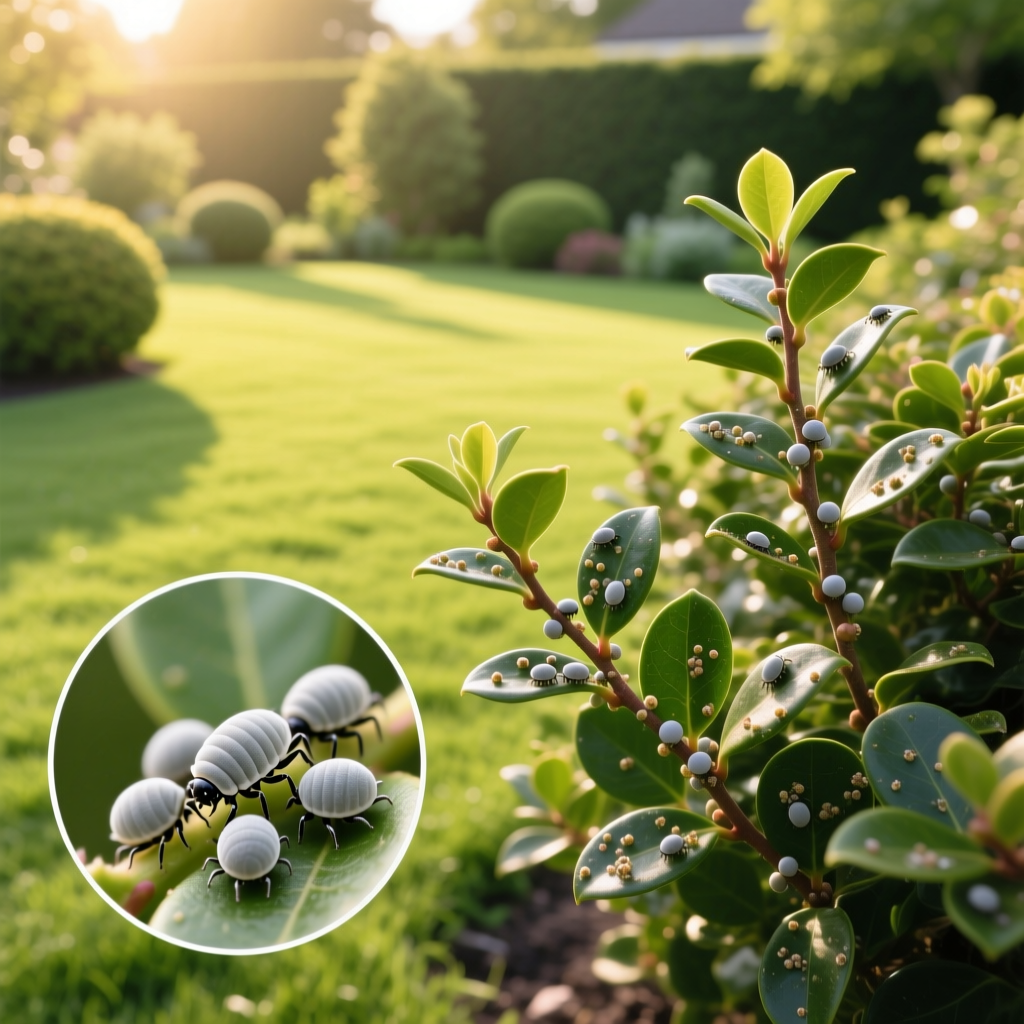
How to Spot and Eliminate Euonymus Scale on Ornamental Shrubs
Robert HayesPublished
Ornamental shrubs are the backbone of a beautiful landscape, providing structure, privacy, and year-round visual interest. However, few pests can devastate these prized plants as quickly and silently as the euonymus scale (Unaspis euonymi). If you have noticed your once-vibrant euonymus, pachysandra, or ivy plants turning yellow, dropping leaves, and suffering from severe dieback, you are likely dealing with this destructive pest. Understanding how to spot and eliminate euonymus scale on ornamental shrubs is essential for maintaining the health & beauty of your outdoor spaces.
Euonymus scale is an armored scale insect, meaning it creates a hard, protective covering over its body as it feeds on the sap and cellular fluids of host plants. Unlike soft scales, armored scales do not excrete honeydew, which means you will not typically see the black sooty mold often associated with other sap-sucking insects. Instead, the damage manifests directly on the foliage and stems, often going unnoticed until the infestation is severe. In this comprehensive guide, we will explore the life cycle of this pest, outline proven prevention strategies, and provide actionable DIY solutions to save your shrubs. For more general tips on maintaining a pristine yard, be sure to visit our ornamental shrub care hub.
Identifying Euonymus Scale: Signs and Symptoms
Early detection is the most critical factor in successfully managing a scale infestation. Because euonymus scale insects are incredibly small and remain stationary for most of their lives, they are often mistaken for a fungal disease or a natural part of the plant’s bark. To effectively combat them, you must know exactly what to look for on your shrubs.
Visual Identification of the Pest
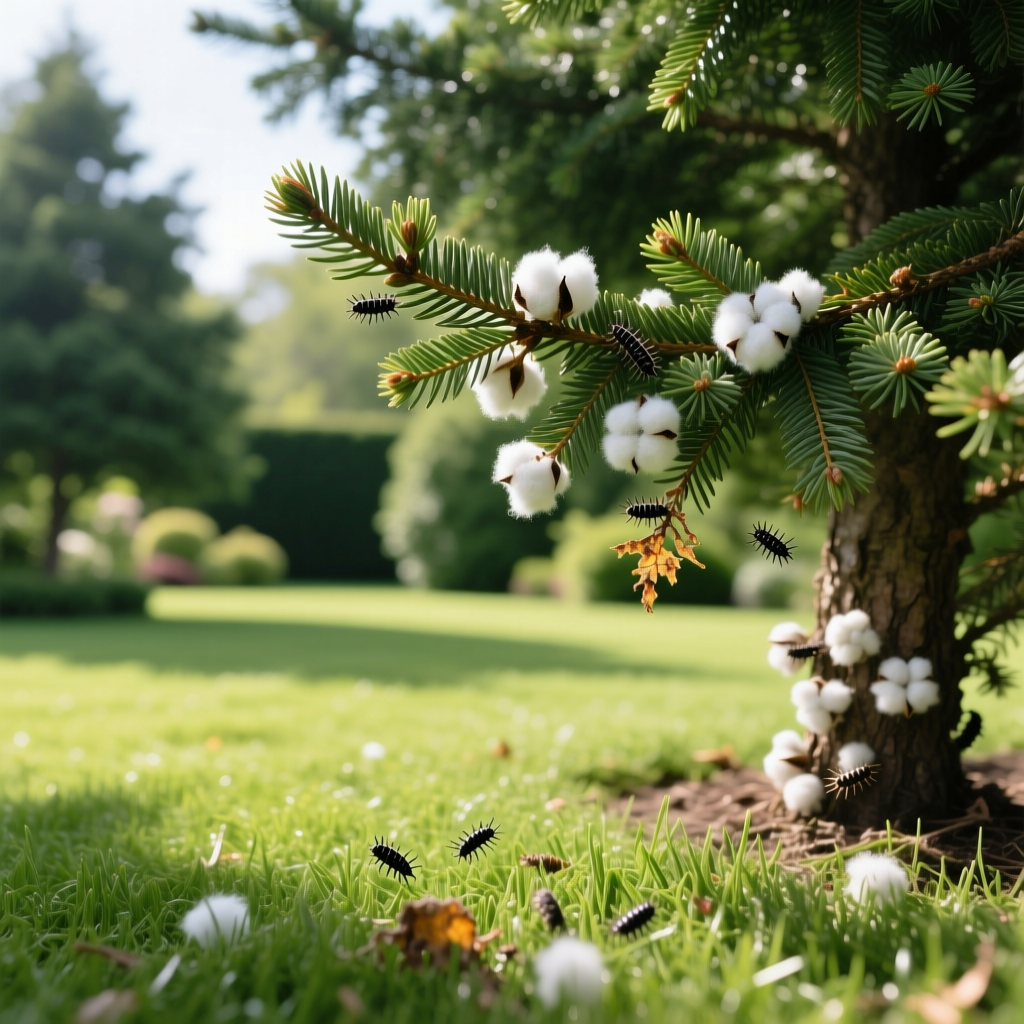
Euonymus scale exhibits sexual dimorphism, meaning the males and females look distinctly different. The female scale is approximately 1/16 inch long, dark brown to gray, and shaped like an oyster shell. You will typically find females clustered on the stems and the undersides of leaves. The male scale, on the other hand, is smaller, elongated, and stark white. When a heavy infestation occurs, the white male scales can completely coat the undersides of leaves, giving the foliage a frosty or ash-covered appearance that is highly visible even from a distance.
Plant Symptoms and Damage
As the scale insects insert their piercing mouthparts into the plant tissue to feed, they destroy the surrounding cells. This feeding activity leads to several distinct symptoms:
- Chlorosis: Leaves develop distinct yellow spots or general yellowing, particularly near the feeding sites.
- Premature Leaf Drop: As the stress on the plant increases, leaves will wither and fall off well before autumn.
- Twig and Branch Dieback: Severe infestations girdle small twigs, causing the tips of the branches to die and turn brittle.
- Stunted Growth: The overall vigor of the shrub declines, resulting in sparse, thin foliage and a lack of new growth.
Understanding the Life Cycle
To successfully eliminate euonymus scale, you must understand its life cycle, which typically features two generations per year in most temperate climates. The pest overwinters as mated females attached to the stems. In mid-to-late spring, these females lay eggs beneath their protective armor. The eggs hatch into tiny, mobile nymphs known as “crawlers.” These crawlers are the most vulnerable stage of the pest, as they have not yet developed their hard, protective armor. They migrate to the leaves and stems to begin feeding, eventually molting and settling into their stationary adult forms. A second generation of crawlers usually emerges in late summer or early fall, making timing your treatments absolutely crucial.
Preventing Euonymus Scale Infestations
The best way to deal with euonymus scale is to prevent it from establishing a foothold in your landscape. Scale insects are opportunistic; they primarily attack plants that are already under environmental or cultural stress. By optimizing the growing conditions for your ornamentals, you can significantly reduce the risk of an outbreak. Proper soil health management is your first line of defense.
Proper Plant Placement and Airflow
Euonymus shrubs planted in dense, shaded areas with poor air circulation are highly susceptible to scale. When designing or maintaining your landscape, ensure that your shrubs receive adequate sunlight appropriate for their specific cultivar. Pruning surrounding vegetation to improve airflow helps reduce humidity around the leaves, creating a less hospitable environment for pests and fungal pathogens alike.
Watering and Mulching Best Practices
Drought stress is a primary trigger for scale infestations. When a shrub lacks sufficient water, its natural chemical defenses weaken, making it an easy target for sap-sucking insects. Water your ornamental shrubs deeply and infrequently to encourage deep root growth. Apply a 2-to-3-inch layer of organic mulch around the base of the plant to retain soil moisture and regulate temperature. However, keep the mulch a few inches away from the main trunk to prevent rot and discourage rodents that can damage the bark and invite secondary infections.
Strategic Fertilization
While it might seem logical to heavily fertilize a struggling shrub, applying high-nitrogen fertilizers can actually exacerbate a scale problem. Excess nitrogen promotes rapid, soft, succulent growth that is highly attractive and easily penetrable by scale insects. Instead, rely on slow-release, balanced fertilizers applied based on a professional soil test. This ensures your plants receive the necessary micronutrients for robust, resilient growth without the vulnerable flush of soft tissue.
Routine Inspections and Sanitation
Make it a habit to inspect your ornamental shrubs during your regular lawn and landscape care routines. Check the undersides of leaves and the crotches of branches for the telltale white and brown bumps. If you notice a few isolated scales, you can often wipe them off manually with a gloved hand or a soft brush. Additionally, always sterilize your pruning tools between cuts when working on infested plants to prevent transferring crawlers to healthy shrubs.
DIY Solutions to Spot Eliminate Euonymus Scale
If you have confirmed an active euonymus scale infestation, immediate action is required. Because armored scales possess a hard, waxy shield, contact insecticides are largely ineffective against the adults. Therefore, a multi-pronged approach targeting the vulnerable crawlers and utilizing systemic treatments is necessary. Below are the most effective DIY methods for reclaiming your shrubs.
Targeted Pruning
Before applying any chemical or organic treatments, assess the extent of the damage. If specific branches are heavily encrusted with scale and show significant dieback, they are likely beyond saving. Using sharp, sterilized bypass pruners, remove and destroy these heavily infested branches. This not only immediately reduces the pest population but also opens up the canopy, allowing subsequent sprays to penetrate deeper into the shrub. For detailed instructions on making the correct cuts, refer to our comprehensive shrub pruning guide.
Horticultural Oils
Horticultural oil is one of the most effective and environmentally friendly weapons against armored scale. The oil works by coating the insects and blocking their spiracles (breathing pores), effectively suffocating them.
- Dormant Oil Application: In late winter or early spring, before the shrub breaks dormancy, apply a heavier rate of dormant horticultural oil. This targets and suffocates the overwintering adult females on the stems.
- Summer Oil Application: During the growing season, use a lighter, summer-weight horticultural oil. This must be applied when the crawlers are active (typically late spring and late summer). Because the oil has no residual effect, you may need to apply it every 10 to 14 days during the crawler emergence window.
Caution: Never apply horticultural oils when temperatures exceed 85°F (29°C) or when the plant is experiencing drought stress, as this can cause severe phytotoxicity (leaf burn).
Insecticidal Soaps
Insecticidal soaps work similarly to oils by disrupting the cell membranes of soft-bodied insects. They are highly effective against the active crawler stage of the euonymus scale but will not penetrate the armor of adult scales. Like horticultural oils, soaps require direct contact with the pest and have no residual activity, meaning thorough coverage of the undersides of all leaves and all stem surfaces is mandatory. Multiple applications spaced a week apart are usually necessary to catch newly hatched crawlers.
Systemic Insecticides
For severe infestations or large hedges where achieving complete spray coverage is impossible, systemic insecticides offer a practical solution. Products containing active ingredients like imidacloprid or dinotefuran are applied as a soil drench around the base of the shrub. The plant’s roots absorb the chemical and translocate it throughout the vascular system. When the scale insects feed on the plant’s sap, they ingest the insecticide and die.
While highly effective, systemics should be used judiciously. They can take several weeks to move through the plant, so they are best applied in early spring as a preventative measure or at the very first sign of crawler activity. Always follow the manufacturer’s instructions regarding dosage and environmental precautions, particularly if the shrubs are near water sources or blooming plants that attract pollinators.
Encouraging Biological Controls
Nature provides its own pest control in the form of beneficial insects. Parasitic wasps (such as Encarsia citrina) and predatory beetles (like the twice-stabbed lady beetle) are natural enemies of the euonymus scale. You can encourage these beneficial predators by avoiding the use of broad-spectrum contact pesticides, which kill the good bugs alongside the bad. Planting a diverse array of nectar-rich flowering perennials near your shrubs will provide a steady food source for these helpful insects, keeping scale populations in check naturally over time.
When to Call Professional Pest Control Services
While many DIY methods are effective for spot treatments and manageable infestations, there are scenarios where enlisting professional help is the most prudent choice. If your landscape represents a significant financial investment, or if the infestation has spiraled out of control, professional pest control strategies can save your plants from total destruction.
Consider calling a licensed arborist or landscape pest control professional if:
- The Shrubs are Extremely Large or Dense: Euonymus scale thrives in the protected, interior canopy of dense hedges. Homeowners rarely possess the high-pressure spray equipment required to penetrate the thick foliage and achieve the 100% coverage necessary to kill crawlers with oils or soaps.
- The Plant is in Severe Decline: If more than 30% of the shrub is experiencing dieback, a professional can accurately assess whether the plant can be saved or if it should be removed to protect surrounding vegetation.
- Trunk Injections are Required: For certain high-value ornamentals or in environmentally sensitive areas where soil drenches are prohibited, professionals can utilize specialized trunk injection systems to deliver systemic pesticides directly into the plant’s xylem with zero environmental runoff.
- Recurring Annual Infestations: If you find yourself battling the same scale outbreak every spring and fall, a professional can implement a customized, year-round integrated pest management (IPM) calendar tailored to your specific microclimate.
Frequently Asked Questions (FAQ)
Will euonymus scale kill my shrubs?
Yes, if left untreated, a severe euonymus scale infestation can absolutely kill your shrubs. The insects continuously drain the plant of vital nutrients and destroy cellular tissue. Over the course of one or two growing seasons, this relentless feeding causes extreme stress, leading to total defoliation, widespread branch dieback, and eventually the death of the entire plant. Furthermore, a plant weakened by scale is highly susceptible to secondary fungal diseases and environmental stressors like winter freeze or summer drought, which can deliver the final fatal blow.
How often should I apply horticultural oil for scale?
The frequency of horticultural oil applications depends on the season and the life stage of the pest. During the dormant season (late winter), a single, thorough application of dormant oil is usually sufficient to smother overwintering adults. However, during the active growing season when targeting crawlers, summer-weight oil must be applied more frequently. Because horticultural oil only kills on contact and leaves no toxic residue, you must apply it every 10 to 14 days during the crawler emergence periods (typically mid-spring and late summer) to ensure you catch the newly hatched nymphs before they form their protective armor.
Can euonymus scale spread to my lawn or other plants?
Euonymus scale will not harm your lawn, as turfgrasses are not a suitable host for this specific pest. However, it is highly contagious among susceptible ornamental plants. While it heavily favors Euonymus species (like burning bush, wintercreeper, and Japanese euonymus), it can also spread to pachysandra, ivy, holly, and occasionally dogwood or camellia. The tiny crawlers can be blown by the wind, carried by birds, or transported on pruning tools and gardening gloves. To prevent the spread, always isolate or treat infested plants promptly and sterilize your equipment after use.
What is the best time of year to treat euonymus scale?
The most effective treatment windows align with the pest’s life cycle. The first optimal window is late winter to early spring, just before the plant leafs out, using dormant oil to kill overwintering females. The second, and arguably most critical window, is mid-to-late spring when the first generation of crawlers emerges. Monitoring for crawlers (which look like tiny, moving yellow specks) and applying summer oil or insecticidal soap at this exact time yields the best results. A third treatment window may be necessary in late summer to target the second generation of crawlers.
Is neem oil effective against armored scale?
Neem oil can be somewhat effective against the soft-bodied crawler stage of the euonymus scale due to its suffocating properties and mild insect growth regulator effects. However, it is generally less effective than highly refined horticultural oils when it comes to penetrating the dense canopy and thoroughly coating the pests. Furthermore, neem oil will not penetrate the hard, waxy armor of adult scale insects. If you choose to use neem oil, it must be applied frequently and with meticulous coverage. For severe armored scale infestations, refined horticultural oils or systemic treatments remain the superior choice for reliable eradication.