
Pest Control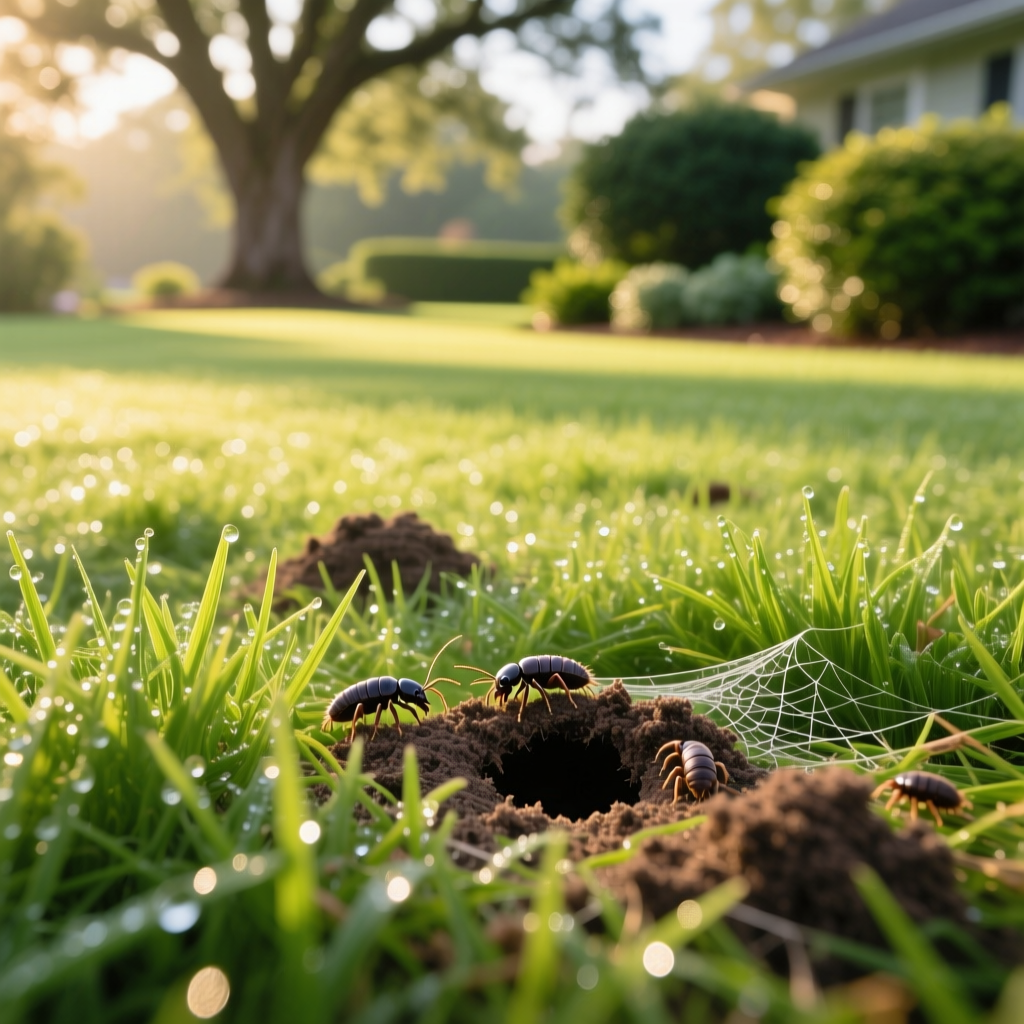
Spotting & Treating Mole Cricket Infestations in Southern Lawns
Sarah ChenPublished
Spotting & Treating Mole Cricket Infestations in Southern Lawns
Maintaining a lush, vibrant lawn in the Southern United States is a point of pride for many homeowners. The warm climate provides the perfect environment for beautiful warm-season grasses like Bermuda grass, St. Augustine grass, Centipede, and Bahia. However, this same warm, humid environment is also a haven for a variety of destructive turf pests. Among the most notorious and damaging of these pests is the mole cricket. If left unchecked, a mole cricket infestation can turn a pristine, carpet-like lawn into a spongy, brown, and dying wasteland in a matter of weeks.
Mole crickets are not your typical chirping backyard crickets. They are subterranean insects that spend the vast majority of their lives beneath the soil surface, tunneling through the earth, severing grass roots, and consuming organic matter. Because they operate underground and are primarily nocturnal, homeowners often do not realize they have an infestation until significant damage has already occurred. Understanding how to spot the early warning signs, implement preventative cultural practices, and deploy targeted treatments is essential for protecting your southern turf. This comprehensive guide will walk you through everything you need to know about identifying, managing, and eradicating mole crickets from your lawn.
How to Identify Mole Crickets & Their Damage
Before you can treat a pest problem, you must accurately identify the culprit. Mole crickets belong to the family Gryllotalpidae, and the most destructive species in the South include the tawny mole cricket, the southern mole cricket, and the shortwinged mole cricket. These invasive species were accidentally introduced from South America and have since wreaked havoc on southern turfgrasses.
Physical Characteristics of Mole Crickets
Unlike field crickets, which have long hind legs adapted for jumping, mole crickets are built for digging. They typically measure between 1.5 to 2 inches in length and feature a cylindrical, somewhat velvety body. Their most distinguishing feature is their heavily modified, shovel-like front legs, which are equipped with sharp, spade-like claws used to excavate soil. They also have prominent, beady eyes and short, bristle-like antennae. Because they spend their lives in the dirt, their coloration is usually a mottled brown or grayish-brown, providing excellent camouflage in the soil.
Recognizing Turf Damage
Mole crickets cause damage in two primary ways: by feeding on grassroots and by tunneling just beneath the surface. As they burrow, they push the soil upward, creating small, raised ridges that resemble miniature mole tunnels. This tunneling severs the roots of the grass from the soil, depriving the turf of water and nutrients. Furthermore, as they feed on the severed roots and organic matter, the grass above ground begins to thin, yellow, and eventually die.
One of the most telltale signs of a mole cricket infestation is a "spongy" feeling when you walk across your lawn. Because the soil has been hollowed out by extensive tunneling, the ground lacks structural integrity and gives way underfoot. This spongy texture is often accompanied by irregular patches of dead or dying grass. It is crucial not to confuse this damage with that of white grubs, which also feed on roots but do not create the same extensive surface tunneling.
The Soap Flush Test
Because mole crickets are rarely seen on the surface during the day, the most reliable method for confirming an infestation is the soap flush test. This simple DIY technique forces the insects to the surface so you can count them and assess the severity of the problem.
- Step 1: Mix 2 to 3 tablespoons of liquid dish soap into 2 gallons of water.
- Step 2: Select a 2-foot by 2-foot (4 square feet) area of your lawn that shows signs of damage or sponginess.
- Step 3: Pour the soapy water evenly over the designated area. The soap irritates the crickets' skin and disrupts their breathing, forcing them to the surface.
- Step 4: Wait for 3 to 5 minutes and count the number of mole crickets that emerge.
If you see two to four mole crickets surface in that 4-square-foot area, your lawn has reached the treatment threshold, and immediate action is required to prevent severe turf loss.
Preventative Measures to Protect Your Southern Lawn
The best defense against any turf pest is a thick, healthy, and vigorously growing lawn. Mole crickets are highly attracted to stressed turf, sandy soils, and lawns with excessive thatch. By implementing proactive cultural practices, you can make your yard a much less hospitable environment for these subterranean invaders.
Managing Thatch Buildup
Thatch is the layer of dead and living organic matter that accumulates between the soil surface and the green grass blades. While a thin layer of thatch is normal, excessive thatch (greater than half an inch) provides the perfect habitat for mole crickets. It offers them protection from predators, retains moisture, and serves as a buffer against chemical treatments. Regularly managing thatch through dethatching or core aeration ensures that the soil surface remains firm and exposes pests to natural predators and treatment applications.
Proper Watering Techniques
Mole crickets thrive in moist, humid environments. Overwatering your lawn not only promotes fungal diseases but also keeps the top layer of soil perpetually damp, which encourages mole cricket activity and egg survival. Transitioning to deep watering techniques is highly recommended. Watering deeply but infrequently encourages grass roots to grow deeper into the soil profile, making them more resilient to surface tunneling. It also allows the top layer of soil to dry out between watering sessions, creating a less favorable environment for mole cricket nymphs.
Mowing at the Correct Height
Scalping your lawn or mowing it too short stresses the grass and weakens its root system, making it highly susceptible to pest damage. Adhering to proper mowing heights for your specific grass type ensures that the turf can photosynthesize efficiently and develop a dense root mass. A dense root system can better tolerate the minor feeding damage caused by small populations of mole crickets without showing visible signs of decline.
Encouraging Natural Predators
Nature has its own pest control mechanisms. Birds, toads, frogs, and even certain ground beetles are natural predators of mole crickets. Creating a wildlife-friendly yard by providing birdbaths, avoiding broad-spectrum pesticides that harm beneficial insects, and maintaining diverse garden beds can help keep mole cricket populations in check naturally. Additionally, armadillos are notorious for eating mole crickets, though their aggressive foraging habits can sometimes cause more cosmetic damage to your lawn than the crickets themselves.
DIY & Chemical Treatment Solutions for Mole Crickets
When preventative measures are not enough and the soap flush test confirms an active infestation, it is time to deploy targeted treatments. The success of any mole cricket treatment hinges entirely on timing. Understanding their life cycle is the key to effective eradication.
Timing Your Treatment: The Importance of Nymphs
Mole crickets typically mate in the early spring, and females lay their eggs in the soil. These eggs hatch in late spring to early summer, releasing tiny nymphs. Nymphs are small, feed near the soil surface, and have not yet developed the thick, waxy exoskeleton of adults. This makes them highly vulnerable to both biological and chemical treatments. If you wait until late summer or fall, the crickets will be fully grown, deeply buried, and highly resistant to most over-the-counter insecticides. Therefore, targeting the nymph stage in early to mid-summer is the most effective strategy.
Biological Control: Beneficial Nematodes
For homeowners seeking an organic or environmentally friendly approach, beneficial nematodes are a highly effective biological control. Specifically, the species Steinernema scapterisci and Steinernema riobrave are microscopic worms that actively seek out and infect mole crickets. Once inside the host, the nematodes release bacteria that kill the cricket within a few days, and the nematodes reproduce inside the carcass, releasing more worms into the soil to hunt for additional prey.
Nematodes must be applied when the soil is moist and temperatures are warm. They are sensitive to UV light, so applications should be done in the late afternoon or early evening. Because they are living organisms, they must be stored in a refrigerator and applied promptly after purchase. While they take a few weeks to show a significant reduction in the pest population, they provide excellent long-term, sustainable control without harming earthworms, pets, or humans.
Chemical Insecticides: Granular & Liquid Options
For severe infestations or when rapid results are necessary, chemical insecticides are the standard approach. There are several active ingredients proven to be effective against mole crickets:
- Imidacloprid & Dinotefuran (Neonicotinoids): These systemic insecticides are absorbed by the grass roots and kill the crickets as they feed. They are highly effective against young nymphs and have a long residual effect in the soil.
- Bifenthrin & Lambda-cyhalothrin (Pyrethroids): These are contact insecticides that provide a quick knockdown effect. They are best used as liquid sprays applied directly to the soil surface to kill active nymphs and adults.
- Fipronil: Often used in professional-grade products, fipronil is highly effective and works through both contact and ingestion. It is excellent for creating a long-lasting barrier in the soil.
When applying chemical treatments, always follow the manufacturer's label instructions carefully. Granular insecticides must be watered into the soil immediately after application to activate the active ingredient and move it into the root zone where the crickets are feeding. Liquid sprays should be applied in the evening when the crickets are most active near the surface. To protect pollinators, avoid applying systemic insecticides while your lawn or surrounding weeds are actively flowering.
Mole Cricket Baits
In the late summer and fall, when the crickets have matured into adults and are more resistant to liquid sprays, granular baits can be highly effective. These baits consist of an attractive food source laced with a slow-acting insecticide. The crickets consume the bait and carry it back into their tunnels, eventually succumbing to the poison. Baits are best applied in the late evening after a light rain or irrigation, as the moisture makes the bait more palatable to the insects.
Repairing Your Turf After an Infestation
Once you have successfully eliminated the mole cricket population, you are often left with a lawn that looks like it has been tilled by a miniature plow. The spongy soil, severed roots, and dead patches require immediate attention to restore the health and aesthetics of your yard.
The first step in repair is to re-establish the connection between the severed grass roots and the soil. For mildly damaged areas, simply watering the lawn heavily and using a lawn roller can help press the roots back into contact with the earth. For heavily tunneled areas, core aeration is highly recommended. Aeration relieves soil compaction, breaks up the tunnel networks, and encourages the grass to send down new, deep roots.
If the tunneling has resulted in large, bare patches of dead grass, you will need to reintroduce turf to those areas. Depending on your grass type, this may involve overseeding with Bermuda or Centipede seed, or laying down fresh plugs or sod for St. Augustine and Zoysia lawns. Topdressing the repaired areas with a thin layer of high-quality compost or topsoil will help level the surface, retain moisture for the new grass, and introduce beneficial microbes to the damaged soil ecosystem.
When to Call a Professional Pest Control Service
While many homeowners can successfully manage minor mole cricket issues with DIY soap tests and over-the-counter nematodes or granular treatments, there are situations where professional intervention is necessary. If your property borders a large wooded area, an untended field, or a body of water, you may be dealing with constant re-infestation from migrating adult crickets. In these cases, a professional pest control service can establish a robust perimeter defense that is difficult to achieve with consumer-grade products.
Additionally, if you have a large property (over half an acre), calibrating spreaders and sprayers to ensure even, effective coverage can be incredibly time-consuming and prone to error. Professionals have access to commercial-grade, restricted-use pesticides and specialized calibration equipment that ensures the exact dosage is applied safely and effectively. If you have applied DIY treatments in the early summer and are still seeing severe turf damage and active tunneling by late summer, it is time to call in the experts to salvage your lawn before the winter dormancy period.
Frequently Asked Questions About Mole Crickets
Do mole crickets bite humans or pets?
No, mole crickets do not pose a physical threat to humans or pets. They are not aggressive, and their mouthparts are designed for chewing through tough grassroots and organic matter, not for biting skin. Furthermore, they are not known to carry or transmit any diseases to mammals. The primary concern with mole crickets is strictly the cosmetic and structural damage they cause to your lawn and garden beds.
Will mole crickets kill my entire lawn?
If an infestation is severe and left completely untreated, mole crickets can absolutely destroy a lawn. By severing the roots and tunneling through the soil, they effectively drought-stress the grass, even if you are watering regularly. Warm-season grasses like Bermuda and Bahia are particularly vulnerable because they are often grown in the sandy, well-draining soils that mole crickets prefer. However, if caught early and treated during the nymph stage, your lawn can recover fully without permanent loss.
What is the best time of year to treat for mole crickets?
The absolute best time to treat for mole crickets is in early to mid-summer, shortly after the eggs have hatched and the nymphs are small and active near the soil surface. Treating in the spring before the eggs hatch is largely ineffective, as the adults are deep in the soil and highly resistant to chemicals. Treating in the fall is also difficult, as the adults are fully grown and have thick exoskeletons. Always use the soap flush test in early summer to determine if nymphs are present before applying any treatment.
Can I use the same treatments for mole crickets and regular field crickets?
No, the treatments for mole crickets and regular field crickets are quite different. Field crickets live above ground, feed on surface vegetation, and are easily controlled with standard surface-sprayed pyrethroids. Mole crickets live deep underground and require treatments that can penetrate the soil profile, such as systemic granules, deep-drenching liquid applications, or soil-dwelling biological agents like nematodes. Using a standard surface cricket spray will do nothing to stop a subterranean mole cricket infestation.
How long does it take to see results after treatment?
The timeline for results depends heavily on the treatment method you choose. If you apply a fast-acting liquid pyrethroid spray, you may see dead crickets on the surface within 24 to 48 hours. Systemic granular insecticides may take a week or two to fully translocate through the grass roots and eliminate the feeding nymphs. Biological controls, such as beneficial nematodes, take the longest to show visible results; it can take three to four weeks for the nematodes to infect, kill, and reproduce within the host population, but they offer the most sustainable long-term control.
By staying vigilant, utilizing the soap flush test, and timing your treatments perfectly, you can keep your southern lawn thick, green, and completely free of destructive mole crickets. Consistent lawn care and proactive pest management are the ultimate keys to a beautiful, resilient landscape.

