
Pest Control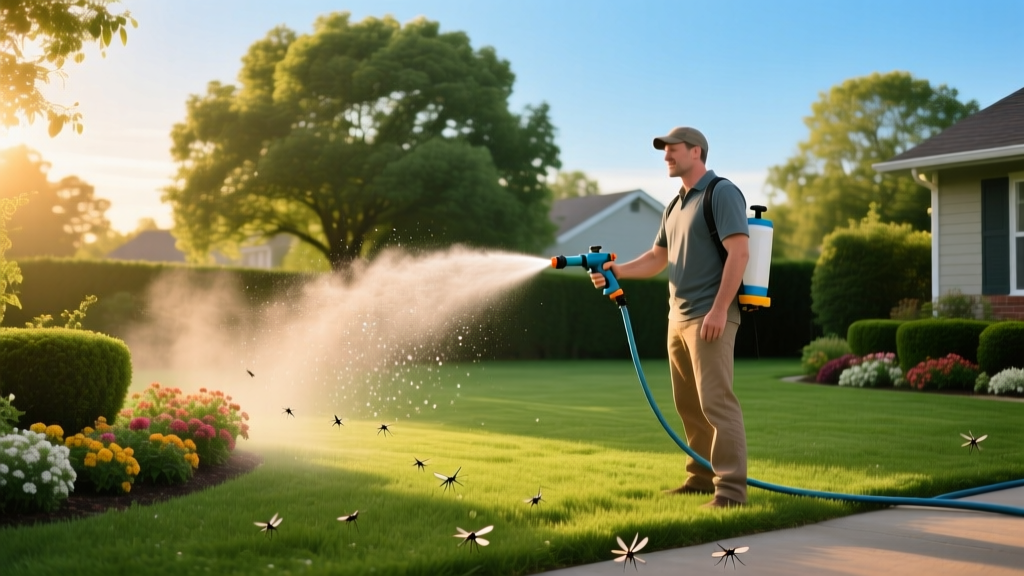
When to Start Spraying Yard for Mosquitoes: A Complete Defense Guide
Reclaiming your outdoor living space from blood-sucking pests requires more than just buying a random concentrate and hosing down your grass. Effective mosquito management is a calculated biological intervention. The decision of when to begin spraying yard for mosquitoes hinges on soil temperature thresholds, local precipitation patterns, and the specific life cycle of the Culex and Aedes species native to your region. This guide details the exact timing, professional-grade active ingredients, and application protocols necessary to establish a robust perimeter defense.
The Temperature Trigger: When to Begin Your Defense
Mosquitoes do not hatch based on the calendar date; they hatch based on thermal accumulation. The primary trigger for overwintering eggs to hatch and dormant larvae to pupate is a sustained soil temperature of 50°F (10°C) at a depth of two inches.
Data Highlight: The 50°F Rule
In USDA Hardiness Zones 6 and 7, this soil temperature threshold is typically crossed between mid-April and early May. In Zones 8 and 9, emergence often begins in late February. Initiating your first barrier spray exactly 7 to 10 days before the historical average of your area's first spring mosquito hatch disrupts the inaugural breeding cycle, drastically reducing the population compounding effect later in the summer.
In USDA Hardiness Zones 6 and 7, this soil temperature threshold is typically crossed between mid-April and early May. In Zones 8 and 9, emergence often begins in late February. Initiating your first barrier spray exactly 7 to 10 days before the historical average of your area's first spring mosquito hatch disrupts the inaugural breeding cycle, drastically reducing the population compounding effect later in the summer.
According to the Centers for Disease Control and Prevention (CDC), Aedes albopictus (the Asian tiger mosquito) overwinters in the egg stage and requires both a thermal trigger and a water submersion event to hatch. Therefore, the optimal time for your first spray is immediately following the first heavy spring rain that pushes soil temperatures past the 50°F mark.
Chemical vs. Biological: Choosing Your Active Ingredient
The market is saturated with ineffective essential oil blends and overly broad agricultural pesticides. For residential perimeter defense, you need active ingredients that bind to foliage and provide a residual lethal barrier. Below is a comparison of the most effective compounds for spraying yard for mosquitoes in 2026.
| Active Ingredient | Product Example | Residual Duration | Dilution Rate | Pollinator Impact |
|---|---|---|---|---|
| Bifenthrin (Pyrethroid) | Talstar P, Bifen I/T | 21 - 30 Days | 1 oz per gallon | High (Avoid blooms) |
| Permethrin + IGR | NyGuard + Permethrin | 30 - 45 Days | 0.5 oz Permethrin + 0.75 ml IGR / gal | Moderate to High |
| Bti (Biological) | Mosquito Bits | 7 - 14 Days (Water only) | Broadcast granular | Zero (Target specific) |
| Garlic/Peppermint Oil | Garlic Barrier | 2 - 4 Days | 2 oz per gallon | Low (Repellent only) |
Expert Recommendation: For maximum efficacy, professional pest controllers utilize a tank-mix of a synthetic pyrethroid (like Bifenthrin) combined with an Insect Growth Regulator (IGR) such as NyGuard. The pyrethroid provides an immediate adult knockdown and a 30-day residual barrier on foliage, while the IGR sterilizes adult females and prevents larvae from molting, effectively breaking the reproductive cycle. The Environmental Protection Agency (EPA) strictly regulates these compounds; always adhere to the manufacturer's label regarding application near aquatic environments.
Step-by-Step Application Protocol for Maximum Residual Control
Spraying yard for mosquitoes is not about soaking the turf; mosquitoes do not live in grass. They harbor in cool, damp, shaded microclimates during the heat of the day. Your target is the underside of leaves, dense shrubbery, and the lower canopy of trees.
- Calibrate Your Equipment: Use a motorized or 20V battery-powered backpack sprayer (e.g., Chapin 20V) fitted with a TeeJet 11004 Turbo TeeJet flat fan nozzle. This specific nozzle produces a medium-coarse droplet size that penetrates dense foliage without creating excessive fine mist drift.
- Pre-Water the Perimeter: Lightly water your shrubs and hedges two hours before spraying. This washes away dust and dirt, allowing the pesticide emulsion to bind directly to the leaf cuticle for a longer residual effect.
- Target the Harborages: Spray the underside of all broadleaf plants, hostas, ivy, and the lower 6 feet of privacy hedges. Pay special attention to the north-facing sides of structures where shade persists.
- Manage Drift and Wind: Never spray when wind speeds exceed 10 mph. Furthermore, avoid spraying during temperature inversions (common just after sunrise and right before sunset), as fine chemical droplets can become trapped in a low-hanging air layer and drift off-target.
⚠️ Pollinator Warning: Pyrethroids are highly toxic to bees. Never spray blooming weeds (like clover or dandelions) or flowering ornamentals. If you must treat an area near a pollinator garden, apply Bifenthrin strictly at dusk when bees have returned to their hives and the chemical has time to dry before morning foraging.
Source Reduction: The Missing Half of Yard Defense
Chemical barriers fail if your yard is actively breeding new generations faster than the residual pesticide can kill them. Aedes aegypti and Aedes albopictus are container breeders that require less than a bottle cap of stagnant water. Eliminate these micro-habitats:
- Corrugated Downspout Extenders: The ridges in black plastic drain pipes hold water indefinitely. Replace them with solid PVC or smooth-walled aluminum extensions.
- Tarps and Debris: Remove folded winter tarps, overturned wheelbarrows, and discarded nursery pots.
- Tree Holes: Fill rotting cavities in oak and maple trunks with expanding polyurethane foam or sand to prevent rainwater accumulation.
- Treat Un-drainable Water: For French drains, rain barrels, or decorative ponds that cannot be emptied, apply Bti (Bacillus thuringiensis israelensis) dunks or granules. Bti is a naturally occurring bacterium that targets only mosquito and black fly larvae, leaving pets, fish, and beneficial insects completely unharmed.
Professional vs. DIY Cost Breakdown (2026 Estimates)
Deciding whether to hire a franchise service or manage the protocol yourself depends on your budget, property size, and comfort level handling concentrated chemicals. Below is a financial comparison for a standard 0.5-acre suburban lot.
| Method | Initial Setup Cost | Seasonal Consumables | Total Year-One Cost |
|---|---|---|---|
| DIY Backpack Sprayer | $180 - $250 (Sprayer + PPE) | $60 - $85 (Bifenthrin + IGR) | $240 - $335 |
| Hose-End Natural Spray | $0 | $120 - $150 (Garlic/Cedar oils) | $120 - $150 |
| Professional Service | $0 | $750 - $1,100 (7-8 visits/season) | $750 - $1,100 |
While professional services offer convenience and commercial-grade misting blowers that penetrate deeper into dense canopies, a disciplined DIY approach using a backpack sprayer and a Bifenthrin/IGR tank mix yields 90% of the results at roughly 25% of the cost.
Frequently Asked Questions
Does spraying the lawn grass kill mosquitoes?
No. Spraying open turfgrass is a waste of chemical and money. Mosquitoes cannot survive the UV exposure and heat of open grass. They rest on the undersides of leaves in shaded shrubs, hedges, and groundcover. Direct your spray at vertical foliage and shaded perimeters.
How long should I wait to let my dogs out after spraying?
Pets and children must remain indoors during the application and until the spray has completely dried. Under typical 70°F conditions with low humidity, this takes 45 to 60 minutes. Once the liquid carrier evaporates, the active ingredient binds to the leaf surface and poses minimal risk to mammals.
Will rain wash away my mosquito barrier spray?
Bifenthrin and Permethrin are highly insoluble in water once they have dried. If you allow the spray to dry for at least 4 hours before a rain event, subsequent rainfall will not wash the chemical off the leaves. However, UV degradation over 21 to 30 days will eventually break down the residual barrier, necessitating reapplication.

