
Pest Control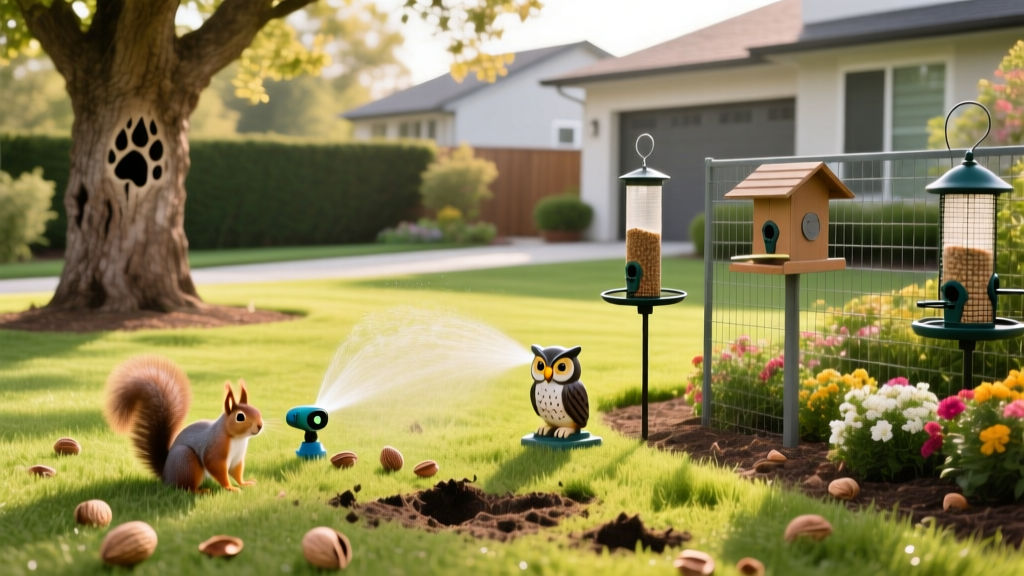
What Is a Deterrent for Squirrels? Proven Garden Defense Tactics
The Reality of Squirrel Damage in Residential Yards
Eastern gray squirrels and fox squirrels are among the most destructive urban wildlife pests in North America. A single squirrel can dig up dozens of newly planted spring bulbs in an afternoon, chew through PVC irrigation lines, strip bark from Japanese maples, and raid premium bird feeders. When homeowners ask, 'what is a deterrent for squirrels,' they are often looking for a single silver bullet. In reality, effective squirrel management requires understanding their behavioral biology and deploying a layered defense system that targets their senses, physical access, and foraging habits.
What Is a Deterrent for Squirrels? The Core Mechanics
A squirrel deterrent is any substance, device, or structural modification designed to exploit the animal's natural aversions, preventing them from entering a specific zone or consuming a targeted resource. Deterrents fall into three primary categories: sensory (taste, smell, and sound), physical (barriers and exclusion), and botanical (plant selection).
The greatest challenge in squirrel deterrence is habituation. Squirrels possess high behavioral plasticity. If a deterrent does not present a genuine physical barrier or an immediate, intense negative stimulus, the squirrel will test it, realize it is harmless, and ignore it. According to the Northeast Wildlife Damage Management Association, static scare devices like plastic owls or rubber snakes lose their effectiveness within 48 to 72 hours as the squirrels recognize the lack of actual threat.
⚠️ The Habituation Trap:
Never rely on a single sensory deterrent. If you use an ultrasonic device or a scent-based repellent, you must rotate the active ingredient or move the device every two weeks to prevent the local squirrel population from mapping it as a harmless environmental feature.
Sensory Deterrents: Exploiting Taste and Sound
Capsaicin and Taste Aversions
Capsaicin, the active chemical in hot peppers, is the most reliable chemical deterrent for squirrels. It works by binding to the TRPV1 receptor in the mammalian nervous system, creating a severe burning sensation. Interestingly, birds lack this specific receptor, making capsaicin-treated suet and birdseed an excellent selective deterrent that protects feeders without harming avian visitors.
Commercial capsaicin repellents (such as Bonide Repels-All or Liquid Fence Hot Pepper Wax) typically range from 100,000 to 500,000 Scoville Heat Units (SHU). To apply effectively, coat bulbs before planting or spray the exterior of PVC pipes and wooden deck railings. Expect to pay between $15 and $25 per quart for commercial-grade horticultural capsaicin sprays in 2026. Note that capsaicin degrades under UV light and washes away in heavy rain; reapplication every 14 to 21 days is mandatory.
Ultrasonic and Audio Disruption
Ultrasonic deterrents emit high-frequency sound waves (typically between 20 kHz and 60 kHz) intended to cause auditory discomfort. While laboratory settings show initial avoidance, field results are highly mixed. Squirrels quickly habituate to constant frequencies. If you use an ultrasonic device, ensure it features a variable frequency sweep and a motion-activated trigger. Devices like the Aspectek Yard Sentinel retail for $35 to $60, but they should only be used as a supplementary layer, not a primary defense.
| Deterrent Type | Mechanism of Action | Avg Cost (2026) | Effective Duration |
|---|---|---|---|
| Capsaicin Spray | TRPV1 Receptor Activation (Taste/Smell) | $15 - $25 / qt | 2 - 3 Weeks |
| Polycarbonate Baffle | Physical Barrier (Slip/Deflection) | $25 - $45 | Permanent |
| 1/4' Hardware Cloth | Exclusion (Digging Prevention) | $30 - $50 / roll | Permanent |
| Ultrasonic Emitter | Auditory Disruption | $35 - $60 | 1 - 2 Months (Habituation) |
Physical and Structural Deterrents: The Gold Standard
Because sensory deterrents degrade or fail due to habituation, physical exclusion remains the most reliable answer to what is a deterrent for squirrels. Structural modifications exploit the biological limits of squirrel agility.
The Mathematics of Baffles and Pole Guards
An Eastern gray squirrel can jump 4 feet vertically and up to 9 feet horizontally from a stationary position. To effectively deter them from bird feeders or elevated garden beds, you must apply the 5-9-18 Rule:
- 5 Feet High: The bottom of the feeder or platform must be at least 5 feet off the ground to prevent vertical leaping.
- 9 Feet Clear: The pole must be placed at least 9 feet away from any fence, tree branch, or roofline to prevent horizontal launching.
- 18 Inches Wide: A dome or cylindrical baffle mounted on the pole must be at least 18 inches in diameter. Squirrels can reach around baffles smaller than 16 inches to bypass the slip zone.
For a budget-friendly DIY physical deterrent, slide a 6-foot section of 4-inch PVC pipe over your existing wooden or metal feeder pole. The smooth plastic surface prevents the squirrel's claws from gaining traction, causing them to slide back to the ground.
Wire Mesh and Bulb Cages
Squirrels dig to cache food and to locate planted bulbs. Chicken wire is entirely ineffective, as squirrels can easily squeeze through the 1-inch gaps or chew through the thin gauge. Instead, use 1/4-inch or 1/2-inch galvanized steel hardware cloth. When protecting garden beds, lay the hardware cloth over the soil and bury the edges 12 inches deep to prevent them from tunneling underneath. For individual high-value bulbs, construct small cages from the mesh before planting.
Botanical Deterrents: Landscaping with Squirrel-Resistant Plants
Strategic planting reduces the overall foraging appeal of your yard. Squirrels heavily target tulips, crocuses, and lilies. Conversely, they actively avoid plants containing toxic alkaloids or strong volatile oils. According to The Humane Society of the United States, integrating these plants creates a natural, passive deterrent perimeter:
- Daffodils (Narcissus): Contain lycorine, a bitter and toxic alkaloid that squirrels and deer instinctively avoid.
- Alliums: The strong sulfurous odor masks the scent of other bulbs and repels foraging rodents.
- Hyacinths: Dense, toxic bulbs that cause mild gastrointestinal distress if ingested by rodents.
- Marigolds and Lavender: High concentrations of volatile essential oils that disrupt the squirrel's olfactory mapping.
Building a Layered Squirrel Defense Strategy
To permanently protect your lawn and garden, combine these tactics into a unified framework. Start by eliminating the primary attractants: secure trash bins with bungee cords, use weight-activated bird feeders (like the Brome Squirrel Buster, which closes the seed ports when a squirrel's weight is detected), and harvest fallen tree nuts promptly. Next, install 18-inch physical baffles on all feeder poles and wrap vulnerable PVC irrigation lines in 1/2-inch hardware cloth. Finally, apply a commercial capsaicin spray to the perimeter of your garden beds every three weeks during peak foraging seasons (spring and late autumn). This multi-sensory, physical, and botanical approach ensures that even if one deterrent fails, the secondary layers maintain the integrity of your yard.
💡 Pro Tip: The Spreader Sticker Secret
When applying liquid capsaicin or bitter apple sprays to outdoor surfaces, mix in a horticultural 'spreader sticker' (a non-ionic surfactant). This breaks the surface tension of the water, allowing the deterrent to coat the surface evenly and resist washing off during heavy rainstorms, effectively doubling the lifespan of your application.
Frequently Asked Questions
Do fake predator decoys (owls, snakes) work on squirrels?
Only for a maximum of 3 to 5 days. Squirrels are highly observant and will quickly realize a decoy does not move, blink, or hunt. Unless the decoy is motorized and moves erratically, it will become a permanent, ignored fixture in your yard.
Will cayenne pepper kill or harm my grass?
No. Capsaicin does not affect plant tissue or grass roots. However, dumping raw grocery-store cayenne powder on your lawn is ineffective because it blows away in the wind. Always use a liquid emulsion sprayed directly onto the target area.
How do I stop squirrels from chewing my home's electrical wiring?
Squirrels chew to maintain their continuously growing incisors. For exposed wiring, attic vents, or PVC lines, paint the surfaces with a commercial bitterant like Ropel (methyl anthranilate) or physically wrap the lines in stainless steel flex conduit. Taste deterrents must be reapplied quarterly.

