
Pest Control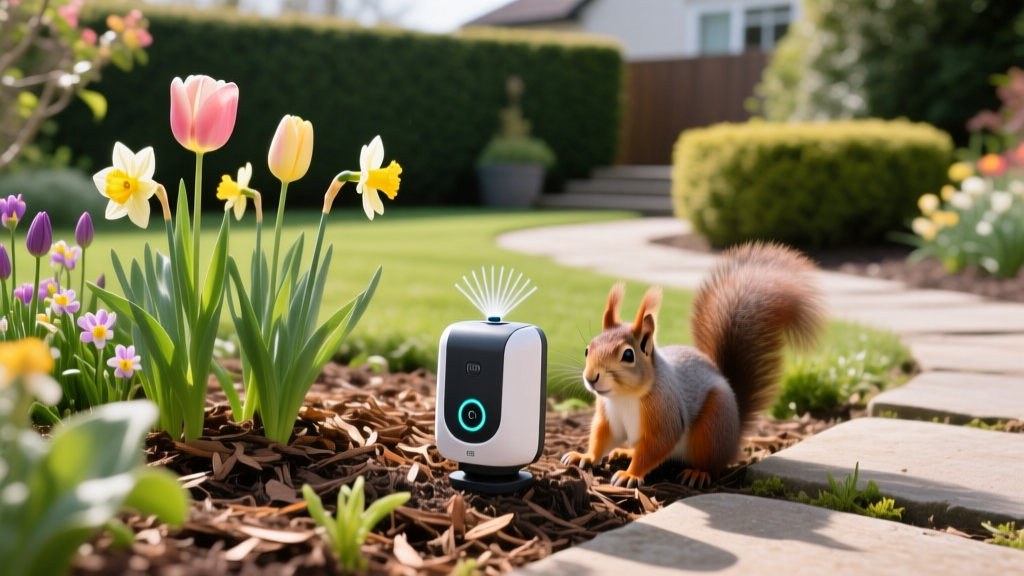
Best Squirrel Deterrent for Garden Beds and Bulb Protection
Eastern gray and fox squirrels do not merely eat your harvest; they destroy the structural integrity of your garden beds through a behavior known as scatter-hoarding. A single squirrel can bury up to 10,000 nuts and bulbs per year. Because they rely on spatial memory and olfactory cues to recover caches, they frequently dig up newly planted spring bulbs and seedlings, leaving behind decimated landscape architecture. Finding an effective squirrel deterrent for garden beds requires moving beyond generic repellents and deploying targeted physical and sensory barriers.
The Mechanics of Squirrel Foraging and Caching
To stop squirrels, you must understand how they locate targets. Squirrels possess an acute sense of smell that allows them to detect the organic compounds released by freshly turned soil and the protective skins of bulbs like tulips and crocuses. When you plant a bulb, the disturbed earth acts as an olfactory beacon.
Behavioral Insight: Squirrels engage in "deceptive caching." If they realize they are being watched by other animals or humans, they will dig a fake hole, pantomime burying a nut, and cover it with soil to trick observers, before moving to a secondary location. This means visual deterrents like fake owls are quickly dismissed once the squirrel realizes the predator does not alter its caching patterns.
According to research compiled by the University of Nebraska-Lincoln Extension, tree squirrels are highly adaptable and will habituate to static noise and visual scares within 48 to 72 hours. Effective deterrence requires dynamic intervention or impenetrable physical exclusion.
Comparing Garden Deterrent Methods: Efficacy and Cost
Not all deterrents are created equal. Below is a matrix evaluating the most common solutions based on real-world performance, material costs in 2026, and their primary failure modes.
| Method | Est. Cost | Longevity | Primary Failure Mode |
|---|---|---|---|
| 1/2" Galvanized Hardware Cloth | $35 - $50 (per 10ft roll) | 10+ Years | Improper burial depth allows edge-digging |
| Motion-Activated Sprinkler | $65 - $85 | 2 - 4 Seasons | Sensor habituation; freezing winter temps |
| Capsaicin Liquid Spray | $15 - $25 | 1 - 2 Weeks | Washes off after 1 inch of rainfall |
| Ultrasonic Repellers | $25 - $40 | 1 Season | Sound blocked by foliage; rapid habituation |
Step-by-Step: Installing Hardware Cloth for Bulb Protection
The single most effective, permanent squirrel deterrent for garden beds is physical exclusion using hardware cloth. Chicken wire is entirely ineffective; squirrels can easily squeeze their skulls through 1-inch gaps or bite through the thin, flexible galvanized strands.
The Trench and Cap Method
- Excavate the Bed: Dig your planting trench to the required depth (typically 3x the height of the bulb). For standard tulips, this is about 8 inches deep.
- Line the Base (Optional but Recommended): For heavy pressure areas, lay a strip of 1/2-inch, 19-gauge galvanized hardware cloth at the bottom of the trench to prevent burrowing from below by voles and ground squirrels.
- Plant and Backfill: Place your bulbs and cover them with 2 inches of soil.
- Install the Cap Mesh: Cut a piece of 1/2-inch hardware cloth to the exact dimensions of the bed. Lay it over the bulbs, ensuring it extends at least 3 inches beyond the perimeter of the planting zone on all sides.
- Secure the Perimeter: Pin the mesh down using 6-inch galvanized landscape staples (U-pins) every 12 inches. This prevents squirrels from prying up the edges with their front claws.
- Finish Backfilling: Cover the mesh with the remaining soil and a 2-inch layer of mulch. The 1/2-inch grid allows stems to grow through unimpeded while blocking digging.
Dynamic Sensory Deterrents: Motion-Activated Sprinklers
If you are protecting a sprawling vegetable garden or an established perennial bed where trenching mesh is impossible, dynamic sensory disruption is your best option. The Penn State Extension notes that sudden, unpredictable stimuli trigger a squirrel's flight response far more reliably than static odors.
Product Spotlight: The Orbit 62100 Yard Enforcer ($75) remains the industry standard for 2026. It features a 35-foot detection range and a 70-foot spray radius. Crucially, it includes a "Day Only" mode, which saves water and battery life by ignoring nocturnal animals like raccoons and focusing purely on diurnal foragers like squirrels.
Deployment Strategy for Maximum Efficacy
- Relocate Every 72 Hours: Squirrels are highly spatial learners. If the sprinkler remains in the exact same spot, they will map its blind spots and approach from the rear. Move the unit slightly every three days.
- Adjust the Sensor Height: Set the infrared sensor to 6–8 inches off the ground. If set too high, it will trigger on wind-blown branches; if too low, it will miss the squirrel's heat signature.
- Winterize the Valve: The primary failure point of these units is a cracked solenoid valve during freeze-thaw cycles. Drain the line completely when nighttime temperatures drop below 32°F.
Botanical Deterrence: The "Plant and Forget" Strategy
If you want to eliminate the need for active deterrence, alter your planting palette. Squirrels view certain bulbs as high-calorie candy, while others contain toxic alkaloids or sulfurous compounds that they instinctively avoid.
Squirrel-Resistant Alternatives
- Daffodils (Narcissus): Contain lycorine, a toxic alkaloid that causes severe gastrointestinal distress in mammals. Squirrels will dig them up, take one bite, and discard them, but they rarely destroy the entire bulb.
- Alliums (Ornamental Onions): Emit a strong sulfurous odor that masks the scent of neighboring plants and repels foraging rodents.
- Fritillaria (Crown Imperial): The bulbs have a distinct, musky odor resembling fox urine, which triggers a predator-avoidance response in squirrels.
- Hyacinths: The calcium oxalate crystals in the sap cause immediate oral irritation, prompting squirrels to abandon the cache immediately.
Plants to Avoid (Or Protect Heavily)
Tulips, crocuses, gladiolus, and hostas are highly palatable to squirrels. If you must plant tulips, interplant them densely with daffodils or use the hardware cloth cap method detailed above.
Common Mistakes and Dangerous Edge Cases
Many homeowners resort to outdated or hazardous methods that fail to protect the garden while introducing environmental risks.
Warning on Mothballs: Using naphthalene mothballs as a garden deterrent is highly illegal in most jurisdictions and ecologically disastrous. Mothballs are registered pesticides; placing them outdoors violates federal label laws. Furthermore, naphthalene leaches rapidly into the soil and groundwater during rain events, poisoning local watersheds and pets without effectively deterring squirrels, who simply dig around them.
The Capsaicin Wash-Off Problem
Hot pepper sprays (like Miller Hot Sauce or Bonide Repels-All) are effective taste deterrents, but they are strictly contact-based. They do not stop digging; they only stop chewing. Furthermore, capsaicin degrades rapidly under UV light and washes off completely after just 1 inch of rainfall. If you use liquid repellents on emerging seedlings, you must reapply immediately after every precipitation event, making it a high-maintenance strategy for large garden beds.
Summary: Your 2026 Action Plan
For permanent protection of spring bulbs and delicate root zones, invest in 1/2-inch 19-gauge galvanized hardware cloth and use the trench-and-cap method. For broad-spectrum protection of vegetable crops and sprawling perennials, deploy an Orbit motion-activated sprinkler, relocating it every 72 hours to prevent spatial habituation. Finally, transition high-pressure border zones to Narcissus and Allium varieties to create a natural, zero-maintenance olfactory shield around your most vulnerable landscape features.

