
Pest Control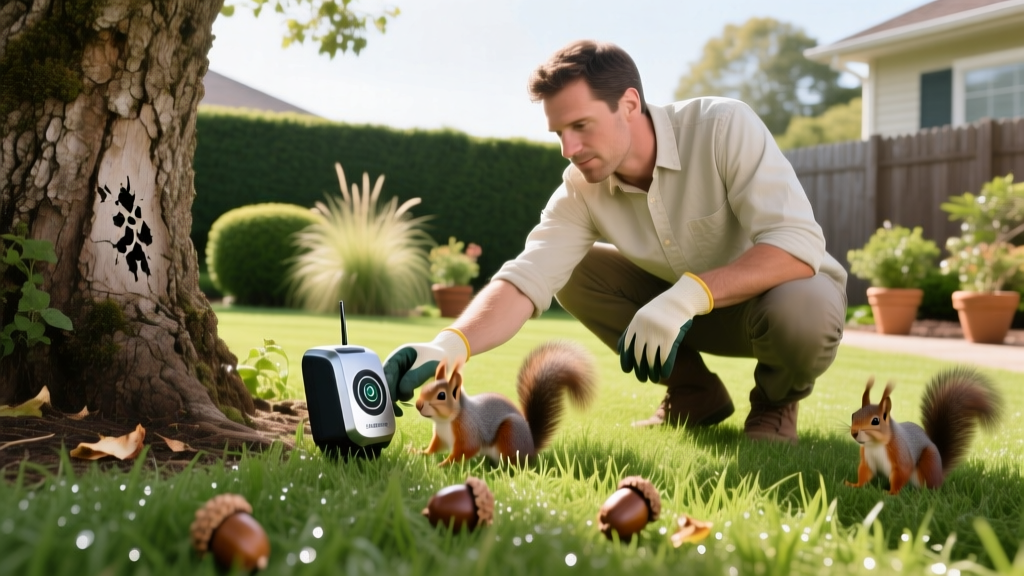
How to Keep Squirrels Away: Proven Lawn & Garden Deterrents
The Mechanics of Squirrel Damage
Eastern gray, fox, and red squirrels are notorious for disrupting lawns and gardens. A single squirrel can bury up to 10,000 nuts and seeds annually, resulting in dozens of 1-to-2-inch divots across a freshly seeded lawn. They target freshly planted tulip and crocus bulbs, strip bark from young ornamental trees, and dominate bird feeders, consuming up to 2 pounds of seed per week. Effective deterrence requires moving beyond temporary scares and implementing structural, sensory, and botanical barriers that exploit their natural foraging behaviors.
Physical Exclusion: The Only 100% Effective Method
Sensory repellents wash away and habituation occurs quickly, making physical exclusion the most reliable long-term strategy. The most common mistake homeowners make is using chicken wire to protect garden beds. Chicken wire typically features 1-inch hexagonal gaps; squirrels can easily squeeze their heads through these gaps or chew through the thin, flexible steel.
Protecting Bulbs and Lawn Turf
To protect newly planted bulbs and lawn patches, use 19-gauge, 1/2" x 1/2" galvanized hardware cloth. Cut the mesh to size, lay it directly over the soil or bulbs, and secure it with 6-inch landscape staples every 2 feet. Plant shoots will easily grow through the 1/2" gaps, but the rigid steel prevents squirrels from digging. For existing lawns where squirrels are digging for grubs or caching food, lay the hardware cloth just below the sod line during aeration or topdressing, or apply a heavy layer of sharp, angular gravel mulch in garden beds, which deters digging due to paw discomfort.
Pole and Feeder Baffles
If squirrels are accessing bird feeders or fruit trees via poles, baffles are mandatory. According to the Internet Center for Wildlife Damage Management, baffles must be installed at least 4 to 5 feet off the ground, as squirrels can jump vertically up to 4 feet and horizontally up to 10 feet. Ensure the pole is at least 10 feet away from any roofline, fence, or tree branch.
| Baffle Type | Best Application | Key Specs & Installation | Avg Cost |
|---|---|---|---|
| Wrap-Around (e.g., Woodlink NABAF18) | Existing straight poles (up to 1.75" diameter) | 18-inch long, clear polycarbonate. Installs at 5 ft height. Squirrels slide off when attempting to climb. | $18 - $25 |
| Dome (e.g., Perky-Pet Copper) | Hanging feeders or shepherd hooks | 15-inch wide copper or plastic dome. Mounts above the feeder to block dropping in from above. | $25 - $40 |
| Torpedo (e.g., Droll Yankees) | Slim poles and hanging wires | Tubular design that spins freely. Squirrels lose grip and spin off the pole. | $30 - $45 |
Sensory Deterrents: Taste, Smell, and Motion
While physical barriers are permanent, sensory deterrents are highly effective for protecting broad areas like vegetable gardens or fruit trees where mesh is impractical.
Capsaicin-Based Repellents
Squirrels are mammals and possess the same TRPV1 pain receptors that make humans sensitive to capsaicin (the active compound in hot peppers). Birds, however, lack these receptors and cannot taste the heat. Apply a granular or liquid capsaicin repellent (such as Critter Ridder or Hot Pepper Wax) directly to birdseed, plant foliage, and bulb surfaces. Look for products with a minimum capsaicin concentration of 0.0001% to 0.001%. Reapply every 30 days or immediately after heavy rainfall. Note: Wear nitrile gloves and eye protection when applying liquid capsaicin sprays to avoid severe skin and mucous membrane irritation.
Motion-Activated Water Sprinklers
For lawn and garden bed protection, motion-activated sprinklers provide a harmless but highly effective startle response. The Orbit Yard Enforcer (approx. $60-$70) features a 120-degree infrared detection arc and a 35-foot range. When a squirrel crosses the sensor, it triggers a 5-second burst of water accompanied by a mechanical clicking sound. Set the sensor height to 6 inches off the ground to specifically target ground-foraging rodents while ignoring small birds.
Landscaping for Squirrel Resistance
Modifying your plant palette reduces the baseline attractiveness of your yard. Squirrels actively seek out high-calorie, soft-tissue plants and avoid those containing toxic alkaloids or strong volatile oils.
- Highly Vulnerable Plants: Tulips, crocus, hostas, daylilies, and sunflowers. If you plant these, physical wire exclusion is mandatory.
- Squirrel-Resistant Alternatives: Daffodils (contain toxic lycorine), alliums (strong onion/garlic scent masks other food odors), hyacinths, snowdrops, and ferns.
- Mulch Selection: Avoid loose straw, pine needles, or fine shredded bark, which squirrels use for nesting and easy digging. Opt for heavy, angular crushed stone, river rock, or large nugget hardwood mulch that is difficult to displace.
Squirrel-Proofing Bird Feeders
The Cornell Lab of Ornithology recommends weight-activated feeders as the gold standard for seed protection. Models like the Brome Squirrel Buster Plus ($85-$95) feature a spring-loaded outer cage. When a squirrel (typically weighing 1 to 1.5 lbs) lands on the perch, its weight compresses the spring, pulling the shroud down and instantly closing the seed ports. You can calibrate the spring tension to allow heavier birds like cardinals and woodpeckers to feed while shutting out lighter squirrels and starlings. Pair this with safflower seed or nyjer (thistle) seed, which squirrels generally find unpalatable compared to black oil sunflower seeds and peanuts.
Warning: Illegal and Hazardous Deterrents
Never use mothballs (naphthalene or paradichlorobenzene) outdoors to repel squirrels. Using mothballs outside is a violation of federal EPA regulations, as the chemicals leach into the soil, contaminate groundwater, and are highly toxic to pets, children, and local wildlife. Similarly, avoid rat poison (rodenticides); squirrels that consume anticoagulant baits often die in hidden areas, causing secondary poisoning risks for owls, hawks, and neighborhood cats.
Quick Troubleshooting Decision Tree
If your current deterrence strategy is failing, use this diagnostic framework to identify the breach:
- Problem: Squirrels are bypassing the pole baffle.
Diagnosis: The baffle is too low, or the pole is too close to a jump-off point.
Fix: Raise the baffle to exactly 5 feet. Measure the distance to the nearest fence or tree; if it is less than 10 feet, relocate the pole. - Problem: Squirrels are chewing through the plastic dome baffle.
Diagnosis: The plastic is too thin (under 1/16"), or they are hanging upside down from the feeder hook.
Fix: Upgrade to a metal or thick polycarbonate dome, and ensure the hanging wire above the dome is fitted with a secondary spinning torpedo baffle. - Problem: Squirrels are digging up the lawn despite repellent sprays.
Diagnosis: They are hunting for high-protein Japanese beetle grubs, not just caching nuts.
Fix: Treat the lawn with beneficial nematodes (Heterorhabditis bacteriophora) to eliminate the grub food source, removing the primary incentive for the digging behavior.

