
Pest Control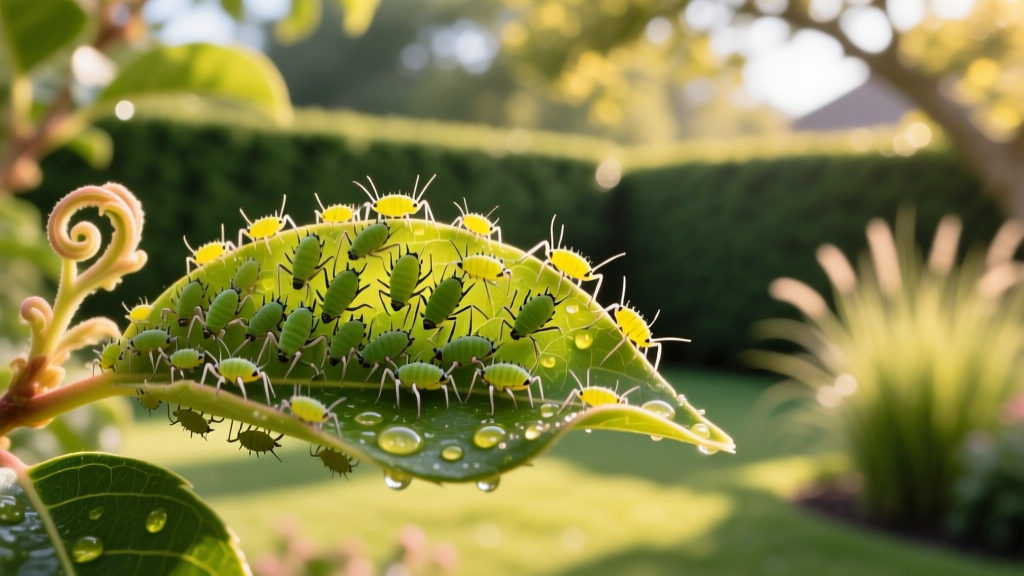
Crape Myrtle Aphids: Identification, Damage, and Control
Crape myrtles (Lagerstroemia indica) are resilient landscape staples, but they face a highly specialized threat: the crape myrtle aphid (Tinocallis kahawaluokalani). Unlike generalist garden aphids, this species exclusively targets crape myrtles. Left unchecked, their rapid reproduction and honeydew excretions trigger severe sooty mold outbreaks that can defoliate a mature tree in weeks. Effective yard defense requires moving beyond generic bug sprays and deploying targeted, biologically timed interventions.
⚠️ Critical Warning: The Sooty Mold Connection
Aphids themselves rarely kill a crape myrtle. The true danger is the Capnodium fungus (sooty mold) that feeds on the sugar-rich honeydew the aphids excrete. This black, powdery coating blocks photosynthesis. If your tree's leaves are turning black and dropping prematurely in mid-summer, you are treating a fungal symptom of an aphid infestation, not a primary disease.
The Biology of Tinocallis kahawaluokalani
Understanding the pest's life cycle is mandatory for timing your treatments. Crape myrtle aphids overwinter as eggs laid in the bark crevices of twigs and branches. In early spring (typically March or April, depending on your USDA zone), these eggs hatch into stem mothers.
These stem mothers reproduce parthenogenetically—meaning females give birth to live, pregnant female clones without mating. Under optimal temperatures (75°F to 85°F), a single aphid can mature from birth to reproductive adult in just 7 to 10 days. By mid-summer, populations can explode from a few dozen to tens of thousands per branch, overwhelming the tree's vascular system and causing severe leaf stippling and curling.
Symptom Checklist: Is Your Tree Under Attack?
Do not wait until the canopy is black with sooty mold to act. Inspect your crape myrtles weekly from May through August for these specific indicators:
- Upper Leaf Stippling: Tiny, pale yellow dots on the top surface of the leaves. This is where the aphids' piercing-sucking mouthparts have drained the cellular sap from the underside.
- Sticky Canopies: A shiny, sticky residue (honeydew) coating the leaves, branches, and any patio furniture or vehicles parked beneath the tree's drip line.
- Ant Trails: Aggressive trails of Argentine or carpenter ants marching up the trunk. Ants 'farm' these aphids, protecting them from natural predators in exchange for the sugary honeydew.
- Premature Leaf Drop: Heavily infested leaves will turn entirely yellow and drop in July or August, long before normal autumn dormancy.
Treatment Matrix: Organic vs. Conventional Controls
Selecting the right treatment depends on the infestation severity, tree size, and your environmental tolerance. Below is a direct comparison of the most effective active ingredients currently available to homeowners and professionals.
| Method | Active Ingredient | Product Example | Application Timing | Est. Cost (2026) | Best Use Case |
|---|---|---|---|---|---|
| Contact Organic | Potassium Salts of Fatty Acids (Insecticidal Soap) | Safer Brand Insect Killing Soap | Summer (every 5-7 days during peak) | $12 - $18 / 32oz | Light infestations; preserving beneficial insects. |
| Contact Organic | Clarified Hydrophobic Extract of Neem Oil | Bonide Neem Oil Fungicide/Miticide | Early morning or late evening (avoid heat) | $15 - $22 / 16oz | Moderate infestations; dual action against early sooty mold. |
| Systemic Soil Drench | Imidacloprid (1.47% or 2.5%) | BioAdvanced 12-Month Tree & Shrub | Early Spring (March/April, pre-bud break) | $20 - $35 / 32oz | Large, mature trees; season-long prevention. |
| Systemic Basal/Soil | Dinotefuran (20%) | Safari 20SG (Professional Grade) | Spring or early Summer | $85 - $110 / 6oz | Severe, active outbreaks requiring rapid systemic uptake. |
Step-by-Step Protocol: Applying an Imidacloprid Soil Drench
For trees over 10 feet tall, foliar spraying is impractical and often results in inadequate coverage. A systemic soil drench moves the insecticide through the xylem directly to the leaves. Follow this exact protocol for Imidacloprid-based products:
- Measure the Trunk: Use a flexible measuring tape to find the circumference of the trunk at 4.5 feet above ground level (breast height). Divide the circumference by 3.14 (Pi) to get the exact trunk diameter in inches.
- Calculate the Dose: The standard mixing rate for 1.47% Imidacloprid is 1 fluid ounce of product per 1 inch of trunk diameter. (e.g., A tree with a 9-inch diameter requires 9 oz of product).
- Prepare the Solution: Mix the calculated insecticide volume with 1 to 2 gallons of water in a watering can. Do not use a hose-end sprayer for soil drenches; precision is required.
- Apply to the Root Zone: Pour the mixture evenly in a circular band around the base of the tree, focusing on the drip line (the outer edge of the canopy) where the feeder roots are most active. Avoid pouring it directly against the trunk bark to prevent root collar rot.
- Water it In: Immediately apply 1/2 inch of irrigation over the drench zone to push the chemical into the top 6 inches of soil where the roots can absorb it.
💡 Pro Tip: The Dinotefuran Advantage for Active Outbreaks
Imidacloprid takes 4 to 6 weeks to translocate to the upper canopy. If your tree is already heavily infested and dropping leaves in July, use Dinotefuran (Safari 20SG). Dinotefuran is highly water-soluble and reaches the canopy in 7 to 14 days, halting active damage much faster than Imidacloprid.
Cultural Prevention: Pruning and Fertilization Tactics
Chemical controls are only half the defense strategy. Modifying your cultural practices reduces the tree's susceptibility to aphid colonization.
1. Eliminate High-Nitrogen Fertilizers
Aphids are highly attracted to the rapid, soft, succulent new growth stimulated by excessive nitrogen. Avoid using lawn fertilizers with high first numbers (e.g., 30-0-0 or 28-0-3) near the root zones of your crape myrtles. If soil tests indicate a need for nutrients, use a balanced, slow-release fertilizer like 8-8-8 or 10-10-10, applied strictly in early spring before the summer flush.
2. Strategic Winter Pruning
While 'crape murder' (severe topping) is universally condemned by arborists, strategic thinning is vital for pest defense. In late February, remove crossing branches, water sprouts, and inward-growing limbs. This opens the canopy to UV light and airflow, creating a microclimate that is less hospitable to aphids and accelerates the drying of honeydew, thereby inhibiting sooty mold spore germination.
3. Preserve Biological Controls
The convergent lady beetle (Hippodamia convergens) and green lacewings (Chrysoperla spp.) are voracious predators of Tinocallis kahawaluokalani. A single ladybug can consume up to 50 aphids a day. Never apply broad-spectrum contact insecticides like Carbaryl (Sevin) or Malathion to your crape myrtles; these will instantly eradicate your beneficial predator populations, guaranteeing a worse aphid resurgence within weeks.
Frequently Asked Questions
Will a strong blast of water from a hose knock them off?
For very light, early-season infestations on small trees, a sharp jet of water can dislodge aphids. However, Tinocallis kahawaluokalani possess specialized tarsal claws designed to grip plant tissue. During peak summer population explosions, water pressure strong enough to knock off the aphids will also strip and damage the crape myrtle's delicate foliage and flower panicles.
How do I get rid of the black sooty mold after killing the aphids?
Once the aphid population is eliminated and honeydew production stops, the sooty mold will slowly weather away on its own over 2 to 4 months. To accelerate this process, spray the canopy with a strong solution of insecticidal soap or a 2% horticultural oil mixture. The surfactants in the soap break down the waxy coating of the fungus, allowing rain to wash it off the leaves much faster.
Are crape myrtle aphids dangerous to my other garden plants?
No. Tinocallis kahawaluokalani is strictly host-specific. They will not migrate to your roses, tomatoes, or oak trees. If you see aphids on other plants, you are dealing with a different, generalist aphid species that requires a separate identification and treatment protocol.
For further reading on integrated pest management for ornamental trees, consult the Clemson University Home & Garden Information Center and the NC State Extension publications on crape myrtle insect management.

