
Pest Control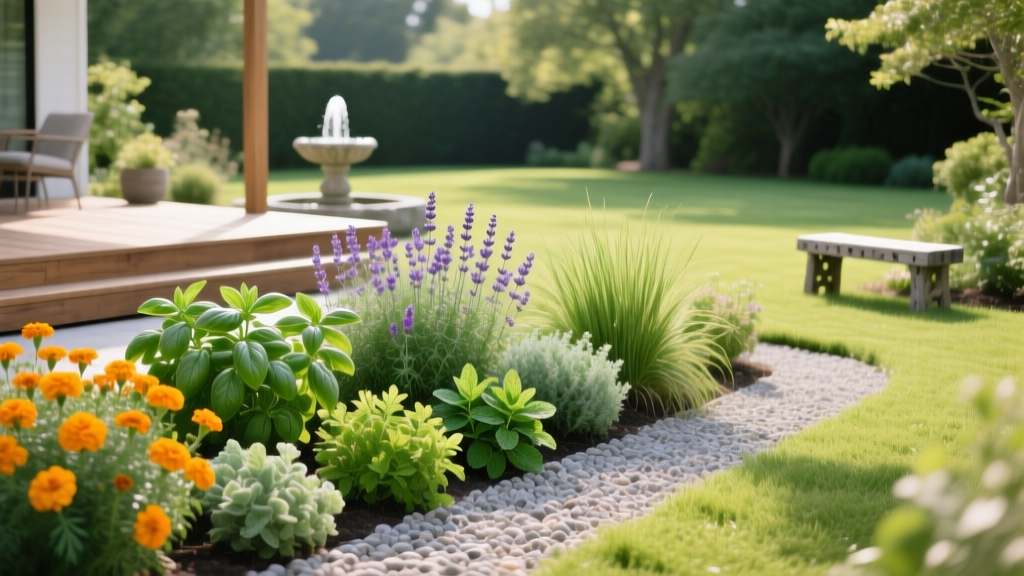
Best Plants to Keep Bugs Away: Yard Defense Strategy
The Biochemical Reality of Botanical Pest Deterrence
Using plants to keep bugs away is not a passive landscaping choice; it is an active biochemical defense strategy. Many homeowners assume that simply placing a potted citronella plant or a lavender bush on a patio will create an impenetrable force field against mosquitoes, aphids, and rodents. In reality, botanical pest deterrence relies on the release of Volatile Organic Compounds (VOCs) such as linalool, limonene, and alpha-terthienyl. These compounds disrupt the olfactory receptors of insects, masking the carbon dioxide and lactic acid trails that pests use to locate human hosts and vulnerable crops.
However, the concentration of these VOCs in ambient air is rarely high enough to repel pests without strategic placement, physical agitation, and proper cultivar selection. To build a functional yard defense perimeter, you must deploy specific plant species in targeted zones, leveraging both aerial repellency and subterranean root exudates.
Zone 1: Perimeter and Patio Defense (High-Traffic Areas)
The immediate perimeter of your patio, deck, and entryways requires plants that emit strong, continuous VOC profiles to disrupt flying insects like mosquitoes, black flies, and wasps. For this zone, structural density and cultivar specificity are critical.
Lavender (Lavandula angustifolia)
Not all lavender is created equal for pest control. The English lavender species (Lavandula angustifolia) contains significantly higher concentrations of linalool and camphor compared to Spanish or French varieties. Specifically, the 'Hidcote' and 'Munstead' cultivars are optimal for yard defense. 'Hidcote' is cold-hardy down to USDA Zone 5 and produces dense, dark-purple flower spikes that yield maximum essential oil volume.
- Placement: Plant in 12-inch intervals along the windward side of your patio to carry the scent across seating areas.
- Maintenance: Prune back by one-third immediately after the first bloom to force a second flush and release a fresh wave of camphor-rich oils into the air.
French Marigolds (Tagetes patula)
While Tagetes erecta (African marigolds) offer large blooms, Tagetes patula (French marigolds) are the true workhorses of pest defense. French marigold roots exude alpha-terthienyl, a biochemical compound that is highly toxic to root-knot nematodes and acts as a strong deterrent to soil-dwelling larvae. Above ground, their pungent foliage masks the scent of nearby host plants.
Pro Tip: The Scent-Release Technique
Passive marigold planting only reduces local whitefly populations by about 15%. To increase this deterrence rate to over 40%, gently brush or crush the lower foliage of the marigolds when you walk past them. This physical agitation bursts the trichomes (glandular hairs) on the leaves, releasing a concentrated cloud of limonene and tagetone that temporarily blinds the olfactory sensors of passing aphids and whiteflies.
Passive marigold planting only reduces local whitefly populations by about 15%. To increase this deterrence rate to over 40%, gently brush or crush the lower foliage of the marigolds when you walk past them. This physical agitation bursts the trichomes (glandular hairs) on the leaves, releasing a concentrated cloud of limonene and tagetone that temporarily blinds the olfactory sensors of passing aphids and whiteflies.
Zone 2: Vegetable Garden Companion Shielding
In the garden, the goal shifts from human comfort to crop protection. Here, we utilize plants to keep bugs away from vulnerable vegetables through two distinct mechanisms: masking (hiding the crop's scent) and trap cropping (luring pests away to a sacrificial plant).
Nasturtiums (Tropaeolum majus) as an Aphid Sink
Nasturtiums are a premier trap crop. Aphids, particularly the black bean aphid and the peach aphid, actively prefer the tender, succulent stems of nasturtiums over brassicas and tomatoes. By planting nasturtiums 3 to 5 feet away from your primary crops, you create a decoy zone. The aphids will colonize the nasturtiums, leaving your harvest intact. Once the nasturtiums are heavily infested, pull them up and dispose of them in a sealed compost bin to break the breeding cycle.
Giant Alliums (Allium giganteum) for Rodent and Mole Defense
Underground pests like voles, moles, and deer mice are highly sensitive to the sulfur compounds (allicin and diallyl disulfide) found in the Allium family. While culinary onions work, ornamental giants like 'Gladiator' or 'Purple Sensation' provide a deep, robust root system that permeates the soil with these sulfurous compounds over a much wider radius.
- Planting Depth: Bury bulbs 8 inches deep and space them 12 inches apart in a staggered grid around the perimeter of raised beds.
- Edge Case: Alliums will not deter burrowing rodents if the soil is excessively compacted, as the sulfur gases cannot diffuse through hardpan clay. Aerate the surrounding soil to a depth of 6 inches before planting.
Companion Planting Matrix: Crop to Repellent Pairings
To maximize the efficacy of plants to keep bugs away, you must pair them correctly with the crops they are meant to protect. The following matrix outlines scientifically validated pairings based on integrated pest management data.
| Primary Crop | Repellent Companion Plant | Target Pest Suppressed | Required Spacing |
|---|---|---|---|
| Tomatoes (Solanum lycopersicum) | Basil (Ocimum basilicum 'Genovese') | Hornworms, Thrips, Whiteflies | 10-12 inches apart |
| Brassicas (Broccoli, Cabbage) | Nasturtium (Tropaeolum majus) | Cabbage Aphids, Flea Beetles | 3-5 feet away (Trap Crop) |
| Roses (Rosa spp.) | Garlic Chives (Allium tuberosum) | Japanese Beetles, Black Spot Fungus | 6-8 inches from rose base |
| Peppers (Capsicum annuum) | Rosemary (Salvia rosmarinus) | Spider Mites, Cabbage Loopers | 18-24 inches apart |
Common Failure Modes in Botanical Pest Control
Many gardeners abandon botanical defenses, falsely concluding that they do not work. According to the EPA's Integrated Pest Management principles, botanical controls are meant to suppress pest populations below economic or aesthetic damage thresholds, not eradicate them entirely. When homeowners experience failure, it is almost always due to one of the following structural mistakes:
Critical Mistake 1: Insufficient Biomass Density
Planting a single pot of peppermint on a 400-square-foot deck will not deter mosquitoes. To achieve an effective VOC concentration in an outdoor environment, you need a minimum of 4 to 6 mature, actively transpiring plants per 100 square feet of seating area.
Planting a single pot of peppermint on a 400-square-foot deck will not deter mosquitoes. To achieve an effective VOC concentration in an outdoor environment, you need a minimum of 4 to 6 mature, actively transpiring plants per 100 square feet of seating area.
Critical Mistake 2: Ignoring Wind Direction
Volatile oils are carried by air currents. If your prevailing wind blows from the north, but your lavender and rosemary are planted on the south side of the patio, the repellent scent is pushed away from your seating area. Always map your microclimate's prevailing breeze and plant your botanical defenses on the windward (upwind) side.
Critical Mistake 3: Expecting Subterranean Results from Aerial Plants
Lemongrass and citronella are excellent for deterring aerial mosquitoes, but their root exudates do nothing to suppress soil nematodes or grubs. For subterranean defense, you must rely on the root chemistry of French marigolds and alliums, as detailed by the University of Minnesota Extension. Using the wrong plant for the wrong pest vector guarantees failure.
Integrating Botanical Defense with Biological Controls
Plants to keep bugs away form the first layer of a comprehensive yard defense strategy, but they must be integrated with biological controls for total perimeter security. When botanical VOCs weaken the reproductive cycles of soil-dwelling pests like fungus gnats and flea beetles, you can introduce beneficial nematodes (Steinernema feltiae) to the soil to eliminate the remaining larvae.
Apply S. feltiae at a rate of 1 million nematodes per 2,000 square feet during the early evening when soil temperatures are between 55°F and 85°F. The botanical plants above ground will prevent adult pests from entering the zone to lay new eggs, while the nematodes below ground hunt the existing grubs. This dual-layer approach reduces the need for synthetic pyrethroid sprays by up to 80% over a single growing season, preserving local pollinator populations while maintaining a highly usable, pest-free outdoor living space.

