
Pest Control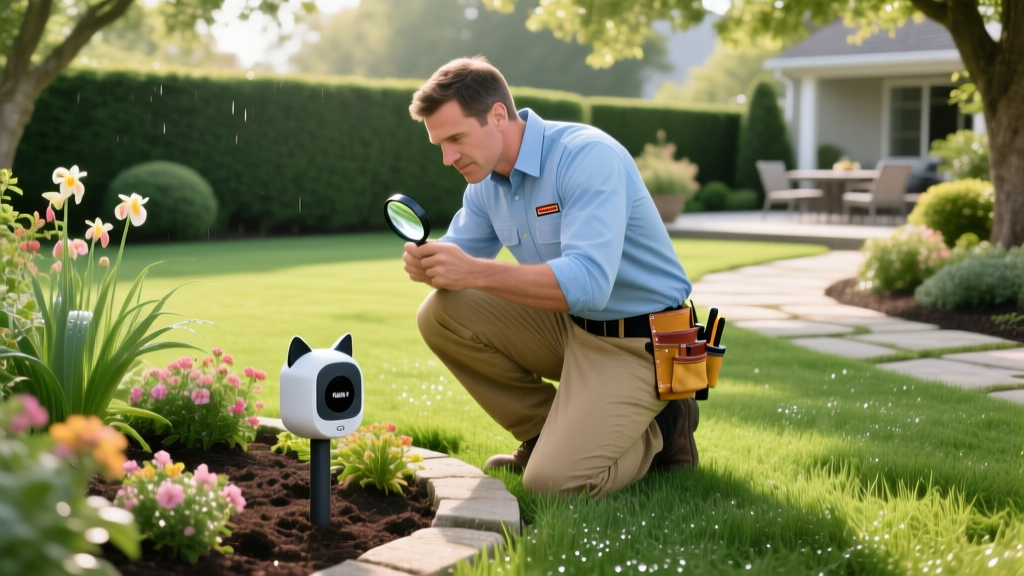
Effective Cat Deterrent for Yard: A Landscaper's Removal Playbook
The Damage Profile: Why Felines Target Your Turf
Neighborhood and feral cats view freshly tilled soil, loose mulch, and soft lawns as giant, convenient litter boxes. This behavior is not merely an aesthetic nuisance; it causes measurable agronomic and biological damage. Feline urine contains high concentrations of urea and salts, leading to localized nitrogen burn that mimics drought stress but kills grass roots outright. More critically, cat feces introduce severe biological hazards to your landscape.
Biological Hazard Alert: According to the Centers for Disease Control and Prevention (CDC), cat feces can harbor Toxoplasma gondii oocysts, which cause toxoplasmosis. These oocysts can survive in moist soil for over a year, posing a severe risk to pregnant women, immunocompromised individuals, and children playing in the yard.
To reclaim your lawn, you must abandon single-solution tactics and deploy a layered pest management strategy. This playbook outlines a three-phase approach combining olfactory disruption, textural barriers, and active technological deterrents to permanently recondition feline behavior.
Phase 1: Olfactory and Gustatory Disruption
Cats possess roughly 200 million odor sensors—double that of humans. Exploiting their highly sensitive olfactory system is the first line of defense. However, not all repellents are created equal. Home remedies like coffee grounds or cayenne pepper are largely ineffective; coffee grounds alter soil pH detrimentally, and cayenne washes away after a single rain event while posing a cruelty risk if it contacts a cat's eyes.
Commercial Repellent Specifications
For reliable results, utilize EPA-registered minimum-risk repellents that leverage putrescent egg solids and essential oils. These trigger a predator-avoidance instinct without causing physical harm.
- Liquid Fence Dog & Cat Repellent (Model 13032): Priced around $25 for a 32oz ready-to-use sprayer. Active ingredients include putrescent whole egg solids (0.04%) and garlic (0.02%). Application: Spray a 2-foot perimeter around garden beds. Reapply every 14 days or immediately following 1 inch of rainfall.
- Nature's Mace Cat Repellent: Approximately $30 for a 40oz shaker. This granular formula uses white pepper and cinnamon oil. Application: Broadcast at a rate of 1 lb per 250 square feet. Granular forms are superior for lawn perimeters as they resist washing away better than liquid sprays.
Phase 2: Textural and Physical Barriers
Cats are digitigrade walkers with highly sensitive paw pads. They actively avoid surfaces that are prickly, sticky, or unstable underfoot. Modifying the soil surface texture creates an inhospitable environment for digging and lounging.
Barrier Implementation Tactics
- Subsurface Chicken Wire: Before laying new sod or mulch, staple 1-inch hexagonal galvanized chicken wire directly to the soil. Plants will grow through the gaps, but cats cannot dig through the metal mesh. Cost: ~$15 per 25-foot roll.
- Botanical Armor: Replace soft pine bark mulch with prickly alternatives. Holly leaf clippings, sweetgum balls, or dense rose prunings create a natural, biodegradable anti-dig layer.
- Plastic Scat Mats: These feature flexible, blunt plastic spikes that are uncomfortable but harmless. Place them over bare soil in high-traffic corners. A standard 20x20 inch mat costs roughly $15; buy multi-packs to cover wider areas.
Phase 3: Active Tech-Driven Deterrents
When sensory and physical barriers fail against highly motivated strays, active deterrents introduce a negative stimulus (water or high-frequency sound) that conditions the animal to avoid the zone entirely. As of 2026, motion-sensor technology has become highly refined, minimizing false triggers from wind or small insects.
| Deterrent Model | Type | Detection Range | Estimated Cost | Best Use Case |
|---|---|---|---|---|
| Orbit 62100 Yard Enforcer | Motion-Activated Sprinkler | 35 ft (PIR Sensor) | $75 - $85 | Large lawns, garden perimeters, daytime/nighttime |
| Aspectek Powerful Ultrasonic (AS016) | Sonic/Strobe | 30 ft (110° angle) | $35 - $45 | Urban yards, near fences, noise-sensitive areas |
| Havahart Spray Away 2.0 | Motion-Activated Sprinkler | 35 ft (Infrared) | $60 - $70 | Targeted garden beds, smaller turf zones |
Pro Tip for Ultrasonic Devices: Cats are most aggravated by frequencies between 13.5 kHz and 23.5 kHz. When configuring the Aspectek AS016, set the dial to Mode 1 (13.5-19.5 kHz) for optimal feline deterrence. Ensure the solar panel faces true south for maximum battery charging efficiency.
The 30-Day Eradication and Maintenance Schedule
Behavioral modification requires consistency. Follow this strict timeline to break the habituation cycle of neighborhood cats.
- Days 1-3 (Sanitation): Remove all existing feces using a dedicated scooper. Dispose of it in sealed municipal trash—never compost it. Water down urine-soaked areas heavily to dilute the urea and wash away territorial pheromones.
- Days 4-7 (Olfactory Shock): Apply a heavy dose of Liquid Fence or Nature's Mace to the entire perimeter and known hotspots. Do not water the lawn for 24 hours post-application.
- Days 8-14 (Physical Fortification): Install Scat Mats in bare corners and lay chicken wire under any newly exposed mulch beds. Prune low-hanging shrubs to remove sheltered hiding spots.
- Days 15-30 (Active Conditioning): Deploy the Orbit Yard Enforcer or Aspectek ultrasonic unit. Move the device every 4 days to prevent cats from mapping the blind spots of the sensor.
Legal and Ethical Boundaries
When implementing a cat deterrent for your yard, you must operate within local animal cruelty laws. Lethal traps, poison baits, and harmful adhesives (like sticky tree bands applied to the ground) are illegal in most municipalities and can result in severe felony charges. Furthermore, trapping and relocating feral cats often violates local wildlife and domestic animal ordinances. The playbook above relies entirely on humane, non-lethal harassment techniques that condition avoidance without inflicting injury.
Frequently Asked Questions
Will motion-activated sprinklers damage my lawn?
No. Devices like the Orbit Yard Enforcer deliver a quick, 3-second burst of water. Because the sprinkler head rotates and only fires upon motion detection, the water volume is negligible and will not cause soil compaction or turf drowning.
Do ultrasonic cat deterrents bother dogs or wildlife?
Dogs can hear the frequencies used by ultrasonic deterrents, which may cause them temporary distress. If you own a dog, rely on motion-activated sprinklers or textural barriers instead. Birds are generally unaffected by ultrasonic frequencies, as their hearing range is much lower than that of mammals.
How do I stop cats from climbing my fence to bypass ground deterrents?
Install a fence roller or a 45-degree inward-angling PVC pipe along the top of your fence. Cats cannot grip the spinning PVC pipe, making it physically impossible for them to pull themselves over the barrier.

