
Pest Control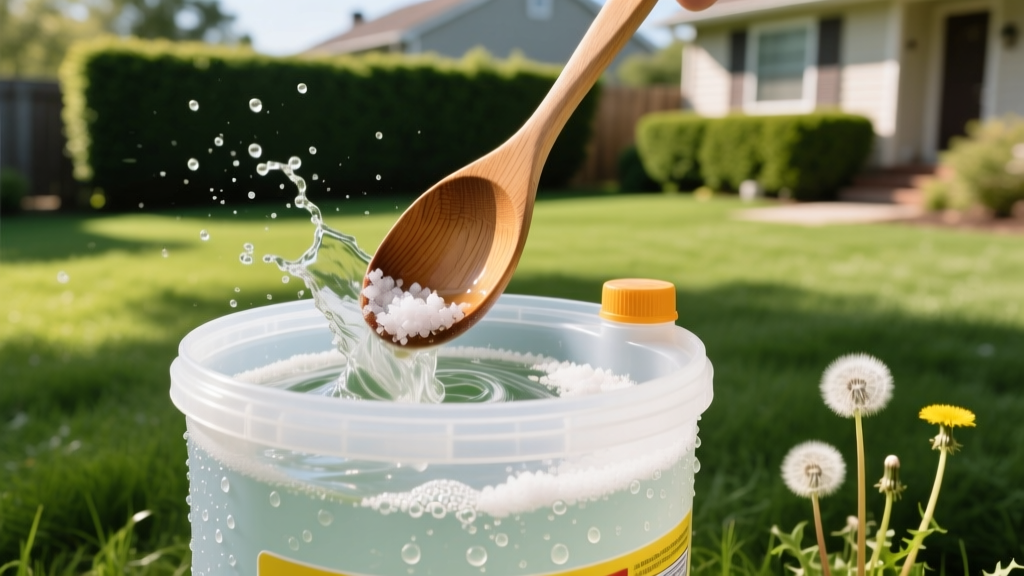
How to Mix a Strong Homemade Weed Killer That Actually Works
Commercial organic herbicides like Avenger or BurnOut typically cost between $40 and $60 per gallon. While effective, you can formulate a stronger, faster-acting contact herbicide at home for a fraction of the price. The secret to a strong homemade weed killer is not just using vinegar; it is understanding the synergistic chemistry of desiccants, membrane disruptors, and surfactants. When formulated correctly, this organic mixture destroys the cellular structure of broadleaf weeds and annual grasses within hours, without leaving toxic synthetic residues in your soil.
The Chemistry of Contact Herbicides
Unlike systemic herbicides (such as glyphosate), which are absorbed and translocated to the roots, organic acid-based herbicides are contact-only. They work by rapidly destroying the cell membranes of the foliage they touch. According to the EPA's guidelines on organic pest control, acetic acid is classified as a minimum-risk pesticide when used appropriately, but its efficacy relies entirely on concentration and application technique.
Data Highlight: The Concentration Threshold
5% Acetic Acid (Grocery Store Vinegar): Causes temporary wilting in small seedlings. Fails on mature weeds. Kill rate: < 20%.
10% Acetic Acid: Burns foliage of young weeds. Mature weeds recover within 48 hours. Kill rate: ~45%.
20% to 30% Acetic Acid (Horticultural Vinegar): Rapidly strips the waxy cuticle and destroys cell walls. Causes irreversible tissue necrosis. Kill rate: 85-95% on annuals.
The Ultimate Strong Homemade Weed Killer Formula
This recipe yields approximately 1.25 gallons of high-potency herbicide. It combines a high-acid base with d-limonene (orange oil) to dissolve plant waxes, and a surfactant to ensure the liquid clings to vertical leaf surfaces rather than beading up and rolling off.
Ingredients & Measurements
- 1 Gallon of 20% or 30% Acetic Acid (Horticultural Vinegar)
- 2 oz (4 tablespoons) Cold-Pressed Orange Oil (Must contain at least 90% d-limonene)
- 1 oz (2 tablespoons) Non-Ionic Surfactant (Alternatively, use a heavy-duty grease-cutting dish soap like Dawn Ultra)
Mixing Protocol
- Put on your safety gear (see warning below).
- Pour the horticultural vinegar into a 2-gallon polyethylene pump sprayer.
- Add the orange oil. The d-limonene will separate and float to the top initially.
- Add the surfactant last. This prevents excessive foaming when you add the other liquids.
- Seal the sprayer and shake vigorously for 30 seconds to emulsify the oils into the acid base.
⚠️ CRITICAL SAFETY WARNING: 30% Acetic Acid
Horticultural vinegar at 20% to 30% concentration is a severe corrosive. It is not food-grade. Splashing 30% acetic acid into your eyes can cause irreversible corneal damage and blindness. You must wear ANSI Z87.1-rated splash goggles, heavy-duty nitrile gloves, and long sleeves when mixing and spraying. Never use this mixture in a hose-end sprayer where wind drift could carry the mist back onto your skin or face.
Ingredient Sourcing & Cost Breakdown
Sourcing the right concentrations is where most DIYers fail. Do not attempt to boil down household vinegar to concentrate it; the fumes are dangerous and the yield is negligible. Purchase agricultural-grade inputs instead.
| Ingredient | Target Specification | Estimated Cost (2026) | Primary Function |
|---|---|---|---|
| Horticultural Vinegar | 20% - 30% Acetic Acid | $25 - $35 / gallon | Cellular desiccant (strips waxy cuticle) |
| Cold-Pressed Orange Oil | 90%+ d-Limonene | $15 - $20 / 16oz bottle | Solvent (dissolves cell membranes) |
| Non-Ionic Surfactant | Agricultural spreader-sticker | $12 - $18 / 8oz bottle | Reduces surface tension for leaf adhesion |
Cost Analysis: A 1.25-gallon batch of this DIY mixture costs approximately $28 to make. A comparable 1-gallon jug of commercial d-limonene/vinegar herbicide retails for $55+.
Application Protocol: Timing and Technique
Because this strong homemade weed killer relies on rapid cellular collapse, environmental conditions dictate its success. University of Minnesota Extension notes that organic contact herbicides require optimal weather to achieve total foliar burn-down.
- Time of Day: Spray strictly between 10:00 AM and 2:00 PM. You need peak UV radiation and high temperatures to accelerate the desiccation process.
- Temperature Threshold: Do not spray if the ambient temperature is below 70°F (21°C). The chemical reaction slows down significantly in cool weather, allowing the weed's internal repair mechanisms to outpace the acid damage.
- Nozzle Selection: Use a flat-fan nozzle rather than a pinpoint stream or a misting cone. You want medium-sized droplets that coat the leaf surface completely without excessive runoff.
- Saturation Level: Spray until the leaves are thoroughly wet and just beginning to drip. Do not drench the soil; the goal is foliar contact, not soil sterilization.
The Soil Salinity Trap: Why You Must Skip the Salt
A pervasive internet myth suggests adding Epsom salt, table salt, or rock salt to vinegar weed killers to 'burn the roots.' Do not do this. While sodium chloride will indeed kill weeds, it does so by permanently altering the osmotic balance of your soil. Salt accumulates in the soil profile, creating a sterile, toxic environment where grass, ornamentals, and beneficial soil microbiomes cannot survive for years. Furthermore, salt-laden runoff contaminates local watersheds. The acetic acid and d-limonene mixture is potent enough to destroy top-growth without poisoning your soil's long-term ecology.
Troubleshooting: Annuals vs. Deep-Rooted Perennials
Understanding weed biology is critical when using contact-only organic herbicides. This formula is not a silver bullet for every species.
Annual Weeds (Crabgrass, Chickweed, Pigweed)
Success Rate: 95%+
Annuals rely on their current foliage for energy. When the acid strips the leaves, the plant lacks the root reserves to regenerate. One thorough application during mid-day heat will permanently eliminate these weeds.
Perennial Weeds (Dandelion, Thistle, Bindweed, Dock)
Success Rate: 40% (on first application)
Perennials store massive energy reserves in deep taproots or rhizomes. Spraying the leaves will cause the top growth to wither and die within 24 hours, but the plant will likely push up new shoots from the root crown two weeks later.
The Fix: You must use a 'defoliation starvation' strategy. Spray the initial growth, wait for the perennial to push up new 2-inch shoots from the root, and spray again. Repeating this process 3 to 4 times over a single growing season exhausts the root's carbohydrate reserves, eventually killing the plant organically.
Frequently Asked Questions
Will this strong homemade weed killer kill my lawn grass?
Yes. This mixture is completely non-selective. It will severely burn or kill any green plant tissue it touches, including Bermuda, Fescue, and Kentucky Bluegrass. Use a cardboard shield or a precision spray wand when treating weeds embedded directly in your turf.
How long does the vinegar stay active in the soil?
Acetic acid breaks down rapidly in the soil, typically neutralizing within 48 to 72 hours as soil microbes metabolize it and natural buffers stabilize the pH. You can safely replant or overseed a treated area just three days after application.
Can I add boiling water to the mixture for extra power?
No. Pouring boiling water into a sealed polyethylene pump sprayer will create dangerous pressure buildup, potentially causing the tank to rupture or the cap to blow off, resulting in severe acid burns. Apply the mixture at ambient temperature and rely on the mid-day sun for thermal acceleration.

