
Pest Control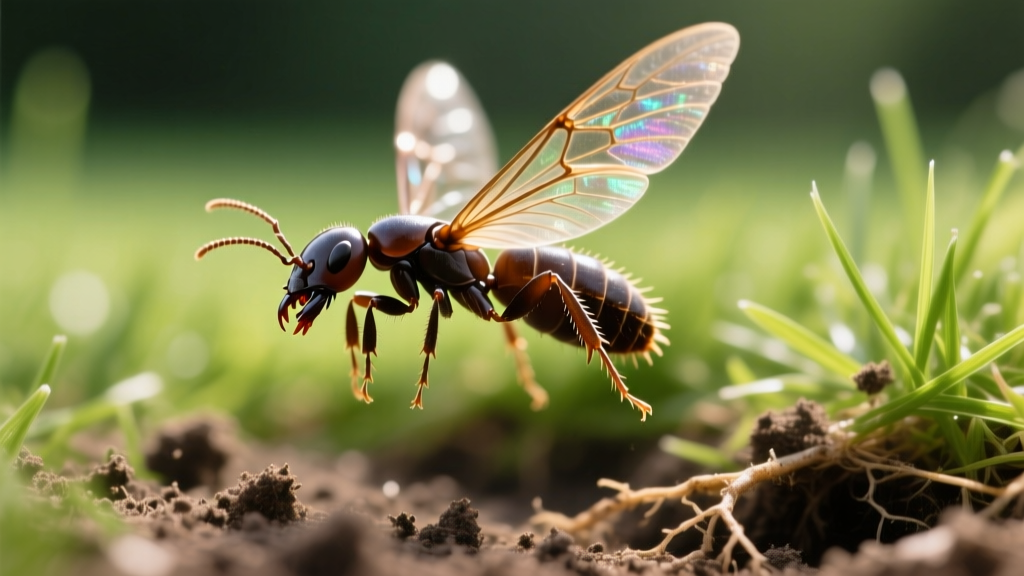
Subterranean Termites With Wings: Yard Defense & Swarm Control
Spotting subterranean termites with wings in your yard is not a sign of a new invasion; it is a glaring indicator of an established, mature colony operating beneath your soil. These winged reproductive termites, scientifically known as alates or swarmers, emerge when a colony reaches three to five years of age and contains upwards of 100,000 workers. From a yard defense perspective, a swarm means the perimeter of your property is already compromised, and immediate structural and landscaping interventions are required to protect your home's foundation.
Identifying Subterranean Termites With Wings vs. Flying Ants
Homeowners frequently misidentify termite swarmers as flying carpenter ants, leading to delayed or incorrect treatments. Subterranean termite alates are typically 1/4 to 3/8 of an inch long, featuring dark brown to black bodies. The most critical diagnostic feature is their wings: they possess two pairs of translucent, equal-length wings that extend well past their abdomen. Unlike ants, which shed their wings shortly after landing, termite shed wings often accumulate in piles on patios, window sills, and near foundation vents.
| Feature | Subterranean Termite Alates | Carpenter Ant Swarmers |
|---|---|---|
| Waist | Broad, uniform thorax and abdomen | Pinched, narrow waist |
| Antennae | Straight and beaded | Elbowed (bent in the middle) |
| Wings | Equal length, milky/translucent | Front wings longer than hind wings, smoky tint |
| Swarm Timing | Mid-morning, post-rainfall (Spring) | Late afternoon/evening (Late Spring/Summer) |
The Biology of the Swarm: Triggers and Timelines
Subterranean termites do not swarm randomly. The emergence of alates is strictly dictated by microclimate conditions. Swarming is triggered when the soil temperature at a depth of six inches consistently reaches 70°F (21°C), combined with high soil moisture levels typically following a heavy spring rain. In USDA Hardiness Zones 7 through 9, this usually occurs between March and May. In cooler northern zones, swarms may not appear until June or July.
⚠️ The False Security Trap: A swarm lasts only 30 to 45 minutes. Once the alates drop their wings and pair off to mate, they disappear into the soil. Homeowners often assume the 'problem is gone' because the flying insects vanished. In reality, the surviving pairs are actively excavating new royal chambers to start satellite colonies in your yard.
Yard Defense Protocol: Perimeter Treatment Strategies
Defending your yard against subterranean termites requires establishing a continuous chemical or biological barrier between the soil and your home's foundation. Relying on surface sprays is entirely ineffective against subterranean species, as they travel through hidden mud tubes and underground galleries.
Step 1: Trenching and Liquid Termiticide Application
The gold standard for immediate yard defense is a continuous liquid soil barrier using a non-repellent active ingredient like Fipronil (commonly available in professional-grade products such as Termidor SC). Non-repellent termiticides are undetectable to termites, allowing them to tunnel through the treated zone, pick up the chemical, and transfer it to the colony via grooming and trophallaxis (food sharing).
- Trench Dimensions: Dig a trench 6 inches wide and 6 inches deep directly against the foundation footer.
- Dilution Rate: Mix 0.8 fluid ounces of Fipronil (9.1% concentration) per gallon of water.
- Application Volume: Apply 4 gallons of the finished solution per 10 linear feet of trench. For a standard 2,000-square-foot home with a 200-linear-foot perimeter, you will need approximately 80 gallons of mixed solution.
- Soil Rodding: In dense clay soils, use a soil rodding tool to inject the termiticide an additional 12 inches deep into the trench bottom to ensure the barrier reaches the footer.
Step 2: Strategic Bait Station Deployment
For yards with extensive hardscaping, patios, or sensitive garden beds where trenching is impossible, advanced bait systems like the Trelona ATBS (Active ingredient: Novaluron) or Sentricon provide a highly effective alternative. Novaluron is an insect growth regulator (IGR) that inhibits chitin synthesis, preventing termites from molting and ultimately collapsing the colony.
- Placement: Install bait stations every 10 feet around the perimeter of the structure.
- Distance: Place stations 2 to 4 feet away from the foundation to intercept foraging workers before they reach the structure.
- Monitoring: Inspect wooden monitoring bases every 90 days. Once termite feeding is confirmed, replace the wood with the Novaluron-laced cellulose matrix.
Habitat Modification: Starving the Colony
Chemical barriers must be paired with aggressive habitat modification to reduce the carrying capacity of your yard for subterranean termites.
- The 6-Inch Mulch Buffer: Wood mulch retains moisture and provides a hidden bridge over chemical barriers. Maintain a strict 6-inch mulch-free zone between your foundation and any landscaping beds. Use inorganic alternatives like crushed gravel or rubber mulch in this buffer zone.
- Grade Correction: Subterranean termites require high soil moisture to survive and build mud tubes. Ensure your yard grading slopes away from the foundation at a minimum drop of 6 inches over the first 10 feet to prevent water pooling.
- Cellulose Debris Removal: Excavate and remove all buried construction debris, stump grindings, and form boards left behind by builders. A single buried pine stump can sustain a secondary satellite colony for over a decade.
Cost Breakdown: DIY vs. Professional Perimeter Defense
Deciding between a DIY trenching approach and hiring a licensed pest control operator depends on your budget, physical capability, and the severity of the infestation. Below is a 2026 cost and efficacy comparison for an average 2,000 sq. ft. home.
| Treatment Method | Estimated Cost | Efficacy & Warranty | Labor & Time |
|---|---|---|---|
| DIY Liquid Trenching (Fipronil) | $350 - $550 | High (if trenched correctly); No warranty | 12 - 16 hours of heavy manual labor |
| DIY Bait Stations (Trelona) | $600 - $800 | Moderate to High; Requires strict 90-day monitoring | 4 hours installation; 1 hour per quarterly check |
| Professional Liquid Treatment | $1,400 - $2,200 | Very High; Includes 1-year renewable warranty | Completed in 1 day by a 2-person crew |
| Professional Bait System (Sentricon) | $1,800 - $2,800 | Very High; Includes ongoing pro monitoring & warranty | Installed in 1 day; Pro handles all maintenance |
Immediate Action Plan: What to Do When You See a Swarm
If you witness a swarm of subterranean termites in your yard or emerging from a crack in your patio, follow this exact triage protocol to maximize your defense strategy:
- Do Not Use Aerosol Sprays: Spraying over-the-counter contact insecticides (like RAID) on swarmers will kill the visible insects but will contaminate the soil, repelling the hidden workers and forcing the colony to relocate its tunnels to an untreated, more vulnerable section of your foundation.
- Collect Samples: Sweep up a handful of the alates or their shed wings into a sealed glass jar. This provides your pest control professional with the exact physical evidence needed to confirm the species (e.g., Reticulitermes flavipes vs. Coptotermes formosanus), which dictates the treatment protocol.
- Mark the Emergence Points: Use chalk or landscaping flags to mark the exact soil cracks, mud tubes, or expansion joints where the swarmers exited. These high-traffic zones require targeted rodding and higher concentrations of termiticide during the perimeter treatment.
- Schedule an Infrared and Moisture Inspection: According to the National Pest Management Association, exterior swarms often correlate with interior moisture leaks. Have a professional use a thermal imaging camera and a moisture meter to scan your interior drywall for hidden gallery networks.
Authoritative Guidelines and Long-Term Vigilance
Effective yard defense against subterranean termites is not a one-time application; it is an ongoing perimeter management strategy. The Environmental Protection Agency (EPA) emphasizes that soil-applied liquid termiticides degrade over time, typically losing efficacy after 5 to 7 years depending on soil pH and rainfall. Homeowners must schedule annual professional inspections to probe the soil for mud tubes, check the integrity of the chemical barrier, and ensure that landscaping renovations have not bridged the treated zone. By combining precise trenching techniques, advanced IGR baits, and strict moisture management, you can neutralize the threat of subterranean termite alates and protect your property's structural integrity.

