
Pest Control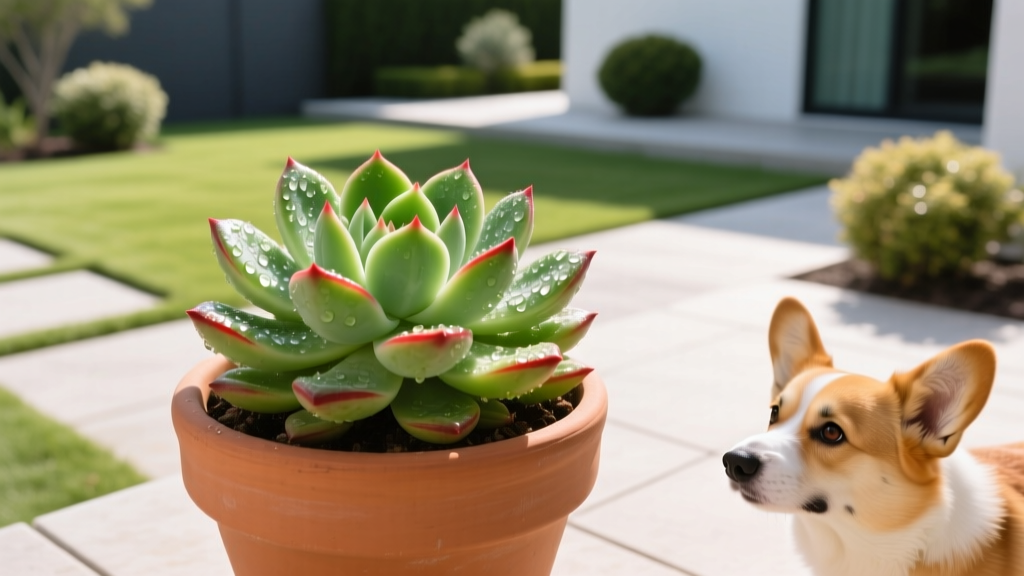
Are Succulent Plants Poisonous to Dogs? A Toxicity Guide
The Short Answer: Not All Succulents Are Safe
When designing a drought-tolerant landscape or curating an indoor plant collection, a common concern for pet owners is: are succulent plants poisonous to dogs? The short answer is that while many succulents are entirely benign, several of the most popular varieties contain toxic compounds that can cause severe gastrointestinal distress, cardiac anomalies, and even fatal organ failure in canines.
⚠️ Critical Warning: If you suspect your dog has ingested a toxic succulent, do not wait for symptoms to appear. Contact the ASPCA Animal Poison Control Center immediately at (888) 426-4435. Note that a consultation fee (typically around $95) applies, but it provides access to veterinary toxicologists 24/7.
Highly Toxic Succulents: Identification and Toxic Compounds
Understanding why a plant is toxic is crucial for identification and veterinary treatment. The danger lies in specific phytochemicals that dogs lack the liver enzymes to process. Below is a detailed matrix of the most common toxic succulents found in homes and gardens.
| Plant Name | Toxic Compound | Primary Symptoms | Severity |
|---|---|---|---|
| Jade Plant (Crassula ovata) |
Cardiac glycosides (specifically crassulacean compounds) | Vomiting, depression, ataxia (loss of coordination), slow heart rate | High |
| Aloe Vera (Aloe barbadensis) |
Saponins and anthraquinones | Severe diarrhea, vomiting, lethargy, tremors, reddish urine | Moderate |
| Kalanchoe (Kalanchoe spp.) |
Bufadienolides (cardiac toxins) | Drooling, cardiac arrhythmias, abnormal heart rhythm, seizures | High |
| Crown of Thorns (Euphorbia milii) |
Diterpene esters (in milky sap) | Severe oral blistering, pawing at mouth, corneal damage if sap hits eyes | Moderate/High |
| Sago Palm (Cycas revoluta)* |
Cycasin (hepatotoxin) | Acute liver failure, bleeding disorders, seizures, death | Fatal |
*Note: While technically a cycad and not a true succulent, Sago Palms are heavily featured in xeriscaping and succulent gardens, making them a critical hazard to identify. According to the Merck Veterinary Manual, all parts of the Sago Palm are toxic, with the seeds containing the highest concentration of cycasin.
The 'Physical Pest' Factor: Spines, Saps, and Mechanical Injury
In garden pest control and hazard management, toxicity is only half the battle. Many succulents pose a severe mechanical hazard to dogs. Plants in the Agave and Opuntia (prickly pear) genera feature rigid, needle-sharp terminal spines and microscopic glochids.
Managing Euphorbia Sap Exposure
Plants in the Euphorbia family exude a milky white latex sap when the stems or leaves are broken. This sap contains diterpene esters, which are highly irritating to mucous membranes. If a dog bites into a Euphorbia stem, the sap can cause immediate, intense burning in the mouth and throat. If the dog subsequently rubs its face with its paws, the sap can be transferred to the eyes, causing severe keratoconjunctivitis and potential temporary blindness. Always wear thick nitrile gloves when pruning Euphorbias, and dispose of the clippings in sealed trash bins immediately to prevent dogs from foraging through yard waste.
100% Dog-Safe Succulent Alternatives
You do not need to abandon your xeriscape plans just because you own a dog. The Cornell University Poisonous Plants Database and veterinary toxicologists confirm that several popular succulent families are completely non-toxic to canines. Consider these safe alternatives for your landscape:
- Haworthia (Zebra Plant): Visually similar to Aloe Vera but entirely non-toxic. Perfect for small patio containers.
- Echeveria: Available in dozens of rosette-forming varieties. They are safe, though their powdery farina coating can cause mild, self-limiting drooling if heavily ingested.
- Hens and Chicks (Sempervivum): Extremely cold-hardy and non-toxic. Excellent for ground cover in dog-friendly rock gardens.
- Burro's Tail (Sedum morganianum): A trailing succulent that is safe for dogs. Best hung in elevated planters to prevent dogs from knocking the fragile stems off.
- Blue Chalksticks (Senecio serpens): A low-growing, drought-tolerant groundcover that is safe for pets and provides excellent contrast against dark mulch.
Emergency Protocol: What to Do If Your Dog Eats a Toxic Succulent
If you catch your dog chewing on a Jade plant or Kalanchoe, rapid intervention is critical. Follow this exact sequence:
- Remove Plant Matter: Safely open your dog's mouth and remove any remaining leaves or stems. Wear gloves if handling Euphorbia to avoid sap transfer.
- Identify the Plant: Take a clear photo of the plant, including the leaves, stems, and any flowers. If you have the original nursery tag, grab it.
- Call the Experts: Dial the ASPCA Poison Control (888-426-4435) or Pet Poison Helpline (855-764-7661). Provide your dog's exact weight, the estimated amount ingested, and the time of ingestion.
- Do NOT Induce Vomiting Blindly: Unless explicitly instructed by a veterinary toxicologist, do not give your dog 3% hydrogen peroxide. If the dog has ingested a plant with caustic sap (like Euphorbia), inducing vomiting will burn the esophagus a second time on the way up.
- Transport to an ER Vet: Bring a sample of the plant with you to the clinic. This allows the attending veterinarian to administer the correct targeted therapy, such as anti-arrhythmic drugs for cardiac glycoside poisoning or activated charcoal to bind saponins.
Designing a Dog-Proof Succulent Landscape
Prevention is the most effective form of garden hazard control. If you want to keep high-value, toxic succulents in your yard while protecting your pets, implement physical barriers.
💡 Landscaping Pro Tip: Invest in 18-inch to 24-inch tall corrugated metal or cedar raised planter beds (typically costing $150 to $280 per 4x4-foot bed). Elevating toxic succulents like Jade or Aloe above the dog's natural sniffing and chewing line is highly effective. Alternatively, use heavy, tip-proof concrete planters (minimum 40 lbs) for toxic patio specimens so large dogs cannot knock them over and access the soil and fallen leaves.
By carefully selecting your plant varieties and utilizing strategic hardscaping, you can maintain a stunning, low-water garden without compromising your dog's health and safety.

