
Pest Control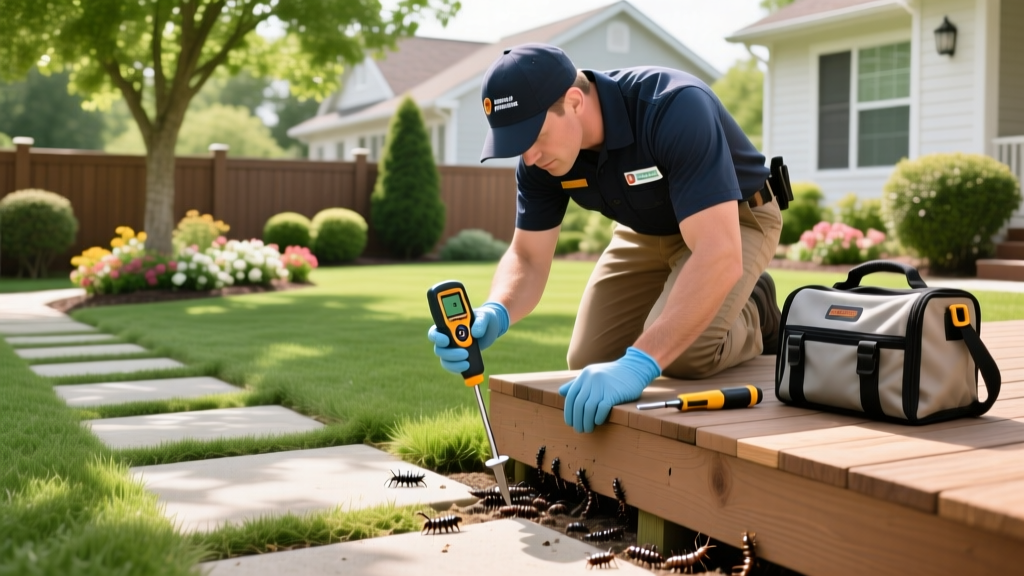
How Much Does It Cost for a Termite Inspection in 2026?
If you are buying a home, refinancing, or simply protecting your property, understanding how much does it cost for a termite inspection is the first step in safeguarding your investment. In 2026, the national average for a professional termite inspection ranges from $75 to $150 for a standard single-family home. However, this baseline fluctuates based on property size, foundation type, and the specific reporting forms required by your mortgage lender.
Unlike general pest inspections, a dedicated termite inspection focuses strictly on Wood Destroying Insects (WDI)—primarily subterranean termites, drywood termites, and wood-boring beetles. According to the Environmental Protection Agency (EPA), termites cause billions of dollars in structural damage annually, making a thorough, unbiased inspection a non-negotiable expense for homeowners.
2026 Termite Inspection Cost Snapshot
- National Average: $115
- Typical Range: $75 – $150
- Large Estate / Commercial: $200 – $350+
- Real Estate Transaction (WDI Report): $100 – $175
The Core Cost Breakdown: Standard vs. WDI Inspections
Not all termite inspections are created equal. The price you pay depends heavily on whether you need a routine maintenance check or a legally binding real estate document.
| Inspection Type | Average Cost | What It Covers | Best For |
|---|---|---|---|
| Standard Visual Inspection | $75 – $100 | Visual check of accessible areas for mud tubes, frass, and damage. | Annual homeowner maintenance. |
| WDI Report (NPMA-33 Form) | $100 – $175 | Standardized legal document detailing WDI presence for lenders. | Buying, selling, or refinancing a home. |
| New Construction Pre-Treat Verification | $125 – $200 | Verifies soil treatment or baiting compliance before framing. | Builders and new home buyers. |
| Comprehensive (Thermal + Moisture) | $250 – $400 | Includes infrared imaging and deep moisture mapping. | High-risk zones or suspected hidden infestations. |
How Property Size and Foundation Shift the Price
Pest control professionals calculate inspection fees based on the time required to thoroughly survey the footprint and the physical hazards involved. The foundation type is often the biggest variable in your final quote.
- Slab-on-Grade Foundations ($75 - $125): Inspectors check the exterior perimeter, interior baseboards, and garage. Because there is no sub-floor access, the inspection is faster and less physically demanding.
- Basement Foundations ($100 - $150): Requires checking rim joists, sill plates, and basement window frames. Unfinished basements are easier to inspect than finished ones, where drywall blocks the view of structural wood.
- Crawlspace Foundations ($125 - $175+): Expect a $25 to $50 crawlspace access fee. Inspectors must crawl through tight, often damp spaces to examine piers, subflooring, and support beams. If the crawlspace lacks a proper vapor barrier or has standing water, some inspectors may refuse entry or charge a premium for the hazard.
The Square Footage Multiplier
For homes under 2,000 square feet, you will typically pay the base rate. For every additional 1,000 square feet, expect an upcharge of $20 to $40. Outbuildings, detached garages, and wooden fences are rarely included in the base price and usually cost an extra $15 to $30 per structure to inspect.
The 'Free Inspection' Trap: What Homeowners Must Know
⚠️ Warning: The Conflict of Interest in 'Free' Inspections
Many large, national pest control franchises advertise free termite inspections. While this saves you $100 upfront, it introduces a massive conflict of interest. The person inspecting your home is often a commissioned salesperson whose primary goal is to sell a $1,500 to $3,000 treatment plan. Independent WDI inspectors charge a flat fee but have no financial incentive to fabricate or exaggerate termite activity.
When you pay for an independent inspection, you are buying objectivity. If you are purchasing a home, mortgage lenders and real estate attorneys generally prefer or require an inspection from a neutral third party rather than the company that will ultimately perform the treatment.
Hidden Fees and Advanced Technology Add-Ons
A standard inspection relies on a flashlight, a screwdriver for probing soft wood, and a basic moisture meter. However, termites can remain hidden deep inside wall voids. If you suspect an active infestation or live in a high-risk area, you may need advanced diagnostic tools. According to entomology experts at the University of Georgia Extension, detecting hidden colonies often requires specialized equipment.
Common Add-On Costs
- Thermal Imaging (FLIR Cameras): $100 – $250 extra. Detects heat signatures generated by large, active termite colonies inside walls.
- Advanced Moisture Mapping: $50 – $100 extra. Uses non-invasive tools like the Tramex Moisture Encounter to map out water intrusion that attracts termites.
- Borescope Wall Inspections: $75 – $150 extra. Involves drilling tiny holes behind baseboards to insert a fiber-optic camera into wall voids.
- Attic/Crawlspace Clearance: $50 extra. Charged if the inspector must move heavy debris, insulation, or stored items to access structural wood.
Regional Price Variations and Species Risk
Where you live dictates both the cost and the urgency of the inspection. The Southeast and Gulf Coast regions face severe pressure from both Eastern Subterranean and highly destructive Formosan termites. In these high-risk zones, independent inspectors are in high demand, and baseline WDI reports often start at $125 to $150.
Conversely, in northern states like Minnesota or North Dakota, where termite pressure is historically lower (though still present), you might find independent inspections for as low as $65 to $85. However, climate shifts are expanding termite habitats northward, making annual inspections increasingly vital regardless of your zip code.
Navigating Mortgage Lender Requirements
If you are financing a home, the type of loan you use will dictate your inspection requirements and who foots the bill.
- Conventional Loans: Rarely require a termite inspection unless the appraiser notes visible wood damage or the home is in a known high-risk zone.
- FHA Loans: Require a WDI inspection only if the appraiser suspects damage, or if the property is located in a state with a high probability of termite infestation (as mapped by the HUD). The buyer typically pays.
- VA Loans: The Department of Veterans Affairs mandates a WDI inspection for homes in states with high termite risk. Crucially, the VA prohibits the veteran buyer from paying for this inspection; the cost must be covered by the seller, the real estate agent, or the lender.
- USDA Loans: Similar to FHA, required only if the appraiser notes evidence of active infestation or damage.
Frequently Asked Questions
How long does a termite inspection take?
A thorough inspection of a standard 2,000-square-foot home takes 45 to 60 minutes. If the property includes a cluttered crawlspace, multiple detached wooden structures, or requires thermal imaging, expect the process to take up to 90 minutes.
Does a home inspector check for termites?
Generally, no. A standard home inspector looks for structural and mechanical issues but is not licensed to identify specific wood-destroying insects or issue an NPMA-33 WDI form. You must hire a licensed pest control professional for a dedicated termite inspection.
What happens if the inspector finds termites?
If active termites are found, the inspector will note them on the WDI report and provide a separate, optional estimate for treatment (such as a liquid termiticide trench or a Sentricon bait station system). Treatment costs are entirely separate from the inspection fee and typically range from $800 to $2,500 depending on the linear footage of the foundation.

