
Pest Control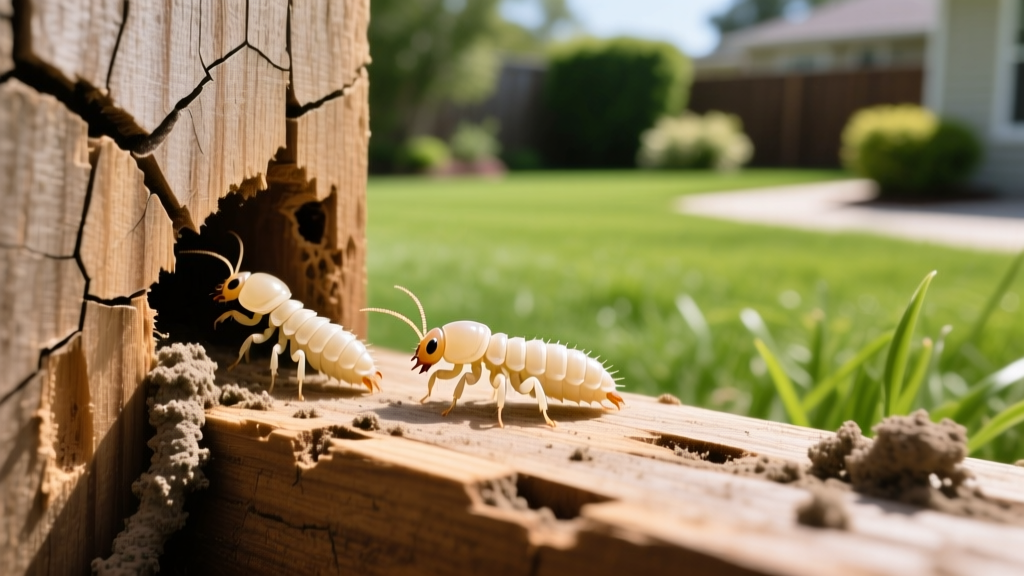
Termite No Wings? Identifying Wingless Yard Termites & Damage
Finding a termite with no wings in your garden bed, mulch, or near your foundation triggers immediate concern. Homeowners are generally familiar with the winged reproductive swarmers (alates) that take flight in spring, but wingless termites represent the hidden, destructive workforce of the colony. If you have spotted a 'termite no wings' scenario in your yard, you are likely looking at the foraging castes that cause the actual structural and landscape damage.
Understanding the difference between a wingless worker, a soldier, and a swarmer that has recently shed its wings is the first step in effective insect yard defense. This guide breaks down the biology of wingless termites, what their presence indicates about colony maturity, and the exact perimeter treatments required to protect your property in 2026.
Decoding the 'Termite No Wings' Phenomenon
Termites operate in a complex caste system. When you encounter a termite lacking wings, it almost always falls into one of three categories. Identifying which one you have found dictates your immediate yard defense strategy.
- Workers: The most common wingless termites. They are pale, soft-bodied, blind, and measure about 1/8 to 3/8 of an inch. Workers forage for cellulose, build mud tubes, and feed the rest of the colony. Finding them in your yard mulch means an active, mature colony is foraging nearby.
- Soldiers: Also wingless, but easily distinguished by their disproportionately large, dark, armored heads and powerful mandibles. They cannot feed themselves and rely on workers. Their presence indicates the colony is actively defending a foraging site in your yard.
- Dealates (Shed Swarmers): These are reproductive termites that have flown, mated, and deliberately shed their wings to start a new colony. You will find their discarded wings on windowsills or patios, and the dealate itself crawling on the ground seeking soil. They are darker in color than workers and have distinct wing stubs on their thorax.
Caste Identification Matrix: Wingless Termites vs. Ants
Misidentification is the most common failure point in DIY pest control. Wingless termite workers are frequently confused with carpenter ant workers or pavement ants. Use this comparison matrix to verify your specimen.
| Feature | Wingless Termite Worker | Carpenter Ant Worker | Pavement Ant |
|---|---|---|---|
| Body Color | Creamy white, translucent | Black, dark brown, or red | Dark brown to black |
| Waist (Thorax) | Broad, no distinct pinched waist | Narrow, sharply pinched waist | Two distinct nodes (bumps) on waist |
| Antennae | Straight, bead-like (moniliform) | Elbowed (bent in the middle) | Elbowed, 12-segmented |
| Diet / Damage | Consumes wood, leaves soil/mud | Excavates wood, leaves frass (sawdust) | Scavenger, nests under concrete |
Warning: If you find pale, wingless insects inside your actual home structure (not just the yard), the colony is already established within your walls. Yard defense protocols are no longer sufficient; you require immediate professional structural fumigation or interior baiting.
Yard Defense: Managing the Wingless Workforce
Subterranean termites forage up to 300 feet from their central colony. The wingless workers you find in your yard are essentially scouts and harvesters. To stop them, you must intercept their foraging paths using modern termiticides or baiting systems.
Liquid Termiticide Trenching (The Barrier Method)
Liquid barriers remain the gold standard for immediate yard perimeter defense. The industry standard in 2026 is Termidor SC (Fipronil 9.1%) or Altriset (Chlorantraniliprole). These non-repellent chemicals utilize a 'transfer effect'—wingless workers pass through the treated soil, pick up the active ingredient, and transfer it to the rest of the colony through grooming and trophallaxis (food sharing).
- Trench Dimensions: Dig a trench 6 inches wide and 6 inches deep directly against the foundation footer.
- Mixing Ratios: For Termidor SC, mix 0.8 fluid ounces of concentrate per gallon of water.
- Application Volume: Apply exactly 4 gallons of finished solution per 10 linear feet of trench.
- Cost Expectation: DIY materials cost approximately $180-$250 for 100 linear feet. Professional application averages $9-$14 per linear foot.
Advanced Bait Station Deployment
If trenching is impossible due to hardscaping, concrete patios, or dense root systems, perimeter bait stations like the Sentricon Always Active or Trelona ATBS (Novaluron) are highly effective against wingless foragers.
- Placement: Install stations 10 to 20 feet apart, positioned 2 to 4 feet away from the foundation drip line.
- Targeting Foragers: Wingless workers naturally follow moisture gradients and structural edges. Place stations near downspout outputs, AC condenser lines, and garden hose bibs where soil moisture is consistently high.
- Maintenance: Inspect stations every 90 days. The Novaluron active ingredient in Trelona acts as a chitin synthesis inhibitor, preventing the wingless nymphs from molting, eventually collapsing the colony.
Mulch, Moisture, and Wood Debris Protocols
Wingless termite workers are highly susceptible to desiccation (drying out). They require constant moisture and high humidity to survive above ground. Your yard's landscaping practices directly dictate their ability to thrive near your home.
According to Penn State Extension, improper mulching is the leading contributor to perimeter termite infestations. Implement these strict yard defense protocols:
- The 6-Inch Rule: Maintain a strict 6-inch gap between any organic mulch and your home's siding or brick weep holes. This exposes the foundation to sunlight and air, creating a dry 'dead zone' that wingless workers cannot cross without building visible mud tubes.
- Depth Limits: Never apply organic wood mulch deeper than 2 to 3 inches. Deep mulch retains subterranean moisture and provides an ideal, temperature-stable highway for workers.
- Cellulose Removal: Remove buried tree stumps, discarded railroad ties, and untreated landscape timbers. A single buried oak stump can sustain a wingless worker colony of 500,000+ individuals for over a decade.
- Alternative Groundcovers: In high-risk zones (within 5 feet of the foundation), replace wood mulch with inorganic options like crushed gravel, river rock, or cedar/cypress heartwood, which contain natural resins that repel foraging workers.
Treatment Decision Framework: DIY vs. Professional Intervention
Not every 'termite no wings' sighting requires a $2,000 professional contract. Use this framework to decide your next move based on where and what you found.
DIY Perimeter Defense: If you found 1-2 wingless workers in a compost pile or detached shed 50+ feet from your main home, apply a localized liquid barrier around the detached structure and monitor. The main house is not yet in immediate danger.
Call a Professional Immediately: If you find wingless workers inside active mud tubes on your main foundation, or if you discover them feeding on the structural sill plate of your home, DIY yard treatments are insufficient. The EPA strongly recommends hiring a licensed pest control operator for structural infestations, as they have access to commercial-grade borate foams and structural drilling equipment that consumers cannot legally purchase.
By accurately identifying the wingless caste and disrupting their moisture-dependent foraging paths, you can effectively neutralize the threat before the colony expands toward your home's structural timber.

