
Pest Control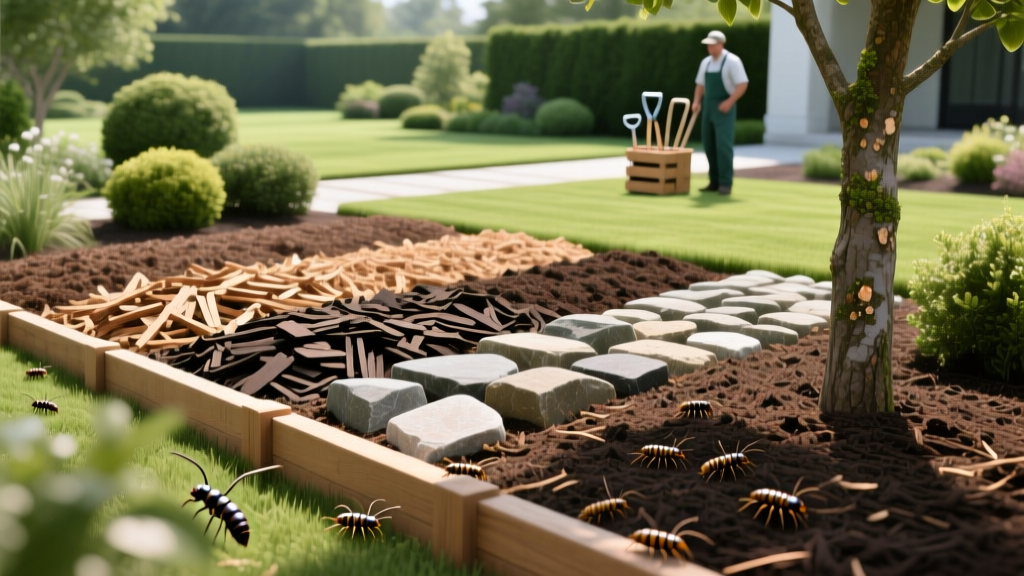
The Truth About Termite Proof Mulch and Best Resistant Options
The Myth of 100% Termite Proof Mulch
Walk into any garden center and you will likely see bags marketed as termite proof mulch. From a strict entomological perspective, this is a marketing myth. Subterranean termites (Reticulitermes flavipes) are relentless foragers that consume cellulose and require high moisture levels to survive. While no organic mulch is entirely immune to termite tunneling, certain materials possess natural chemical defenses that make them highly termite resistant. Understanding the distinction between 'proof' and 'resistant' is the first step in designing an effective insect and rodent yard defense strategy that protects your home's structural integrity without sacrificing landscape aesthetics.
The primary danger of mulch is not necessarily that it serves as a primary food source, but that it creates an ideal microclimate. A thick layer of wood chips retains soil moisture and moderates temperature, providing the exact environmental conditions termites need to establish satellite colonies near your foundation. According to NC State Extension, the physical presence of mulch against a foundation is often a greater risk factor than the specific type of wood used, making installation technique just as critical as material selection.
Evaluating Termite-Resistant Mulch Materials
When selecting mulch for perimeter beds, you must weigh termite resistance against moisture retention, cost, and aesthetic preferences. The following matrix breaks down the most common options available to homeowners in 2026.
| Mulch Material | Termite Resistance | Avg. Cost (per cu. yd.) | Decay Rate | Moisture Retention |
|---|---|---|---|---|
| Cedar Heartwood | High | $45 - $65 | Slow (3-5 years) | Moderate |
| Cypress Heartwood | High | $35 - $50 | Slow (2-4 years) | High |
| Melaleuca | Very High | $30 - $45 | Very Slow | Low |
| Pine Bark (Standard) | Low | $25 - $35 | Fast (1-2 years) | Very High |
| Crushed Basalt / Gravel | Absolute (Inorganic) | $40 - $60 (per ton) | None | None |
The Heartwood Distinction: Why Cedar and Cypress Work
The termite resistance of cedar and cypress relies entirely on the presence of heartwood. Heartwood is the dense, inner core of the tree that no longer transports sap. It is packed with natural defensive resins that act as potent insect repellents.
- Cedar (Thuja plicata or Juniperus virginiana): Contains thujopsene, a natural hydrocarbon that is highly toxic to termites and repels foraging workers. However, if you purchase cheap 'cedar' mulch that includes a high percentage of sapwood (the lighter, outer wood), termites will readily consume it.
- Cypress (Taxodium distichum): Contains cypressene, which provides similar anti-termite properties. Like cedar, only the heartwood is effective. Research from the University of Kentucky Entomology department confirms that termites will actively avoid cypress heartwood but will aggressively tunnel through cypress sapwood.
- Melaleuca (Melaleuca quinquenervia): An invasive species in Florida that has been repurposed into highly durable, termite-resistant mulch. Its dense cellular structure and natural oils make it exceptionally difficult for termites to digest.
The 12-Inch Perimeter Defense Framework
Even the most expensive cedar heartwood will fail to protect your home if installed incorrectly. Termites forage blindly through the soil and will simply tunnel beneath a resistant mulch layer to reach your home's wooden sill plates. To maximize your yard defense, follow this strict installation protocol:
WARNING: The Siding Bridge Effect
Never allow mulch of any kind to touch your home's siding, brick veneer, or stucco. Mulch piled against siding creates a hidden 'bridge' that allows termites to bypass your foundation's chemical treatment barrier and enter the structure undetected.
- Grade the Soil: Ensure the soil slopes away from the foundation at a minimum grade of 1/4 inch per foot. This prevents water pooling, which attracts moisture-dependent termites.
- Establish the Bare Zone: Maintain a strict 6-inch to 12-inch gap between the foundation wall and the start of the mulch bed. In high-risk termite zones (like the US Southeast), a 12-inch bare concrete or gravel perimeter is mandatory. This exposes any termite mud tubes to sunlight and predators.
- Control the Depth: Apply organic mulch at a maximum depth of 2 to 3 inches. Deeper layers retain excessive moisture and create deep, insulated harborage areas for subterranean colonies.
- Refresh Annually: As the heartwood resins break down over time, the mulch loses its repellent properties. Top-dress cedar and cypress beds every 18 to 24 months to maintain the chemical defense barrier.
Inorganic Mulches: The Ultimate Physical Barrier
If your home has a history of severe termite infestations, or if you live in an area with aggressive Formosan subterranean termites (Coptotermes formosanus), abandoning organic mulch entirely is the safest route. Inorganic mulches provide zero nutritional value and do not retain the moisture termites require.
Crushed Stone and Pea Gravel
A 2-inch layer of crushed basalt or pea gravel over a permeable landscape fabric creates a hostile environment for termites. The sharp edges of crushed stone deter tunneling, and the lack of moisture retention forces foragers to move elsewhere. However, termites can still build mud tubes between the stones if the underlying soil remains damp. Therefore, inorganic mulch must be paired with proper drainage and a soil-applied termiticide.
Recycled Rubber Mulch
While rubber mulch is entirely immune to termite consumption, it is generally discouraged in immediate foundation perimeter beds. Rubber absorbs and radiates intense heat during summer months, which can damage shallow-rooted foundation plantings and degrade nearby PVC piping or exterior foam insulation.
Integrating Mulch with Chemical and Bait Barriers
Most modern homes are protected by either liquid soil termiticides (like Termidor SC, containing 9.1% fipronil) or in-ground bait stations (like Sentricon, using hexaflumuron). Your mulching strategy must actively protect these investments.
Fipronil is a non-repellent termiticide that binds tightly to the top 2 to 4 inches of soil. When you rake, turn, or aggressively disturb the soil beneath your mulch beds, you risk breaking the continuous chemical barrier. When refreshing your cedar or cypress mulch, simply lay the new material over the old without tilling the soil beneath it. If you are installing new landscaping, ensure that digging does not penetrate the treated trench around the foundation.
For homes utilizing bait stations, mulch can actually be an ally. Termites forage more actively in mulched beds, increasing the statistical probability that they will encounter a bait station. Just ensure that mulch is not piled over the station caps, which can impede monitoring and cause the internal wood monitors to rot prematurely from excess moisture.
Expert Synthesis: True termite proof mulch does not exist, but a holistic yard defense strategy does. By combining termite-resistant heartwood mulches, strict 12-inch foundation setbacks, and careful preservation of chemical soil barriers, you can maintain a beautiful landscape while keeping wood-destroying insects at bay.

