
Pest Control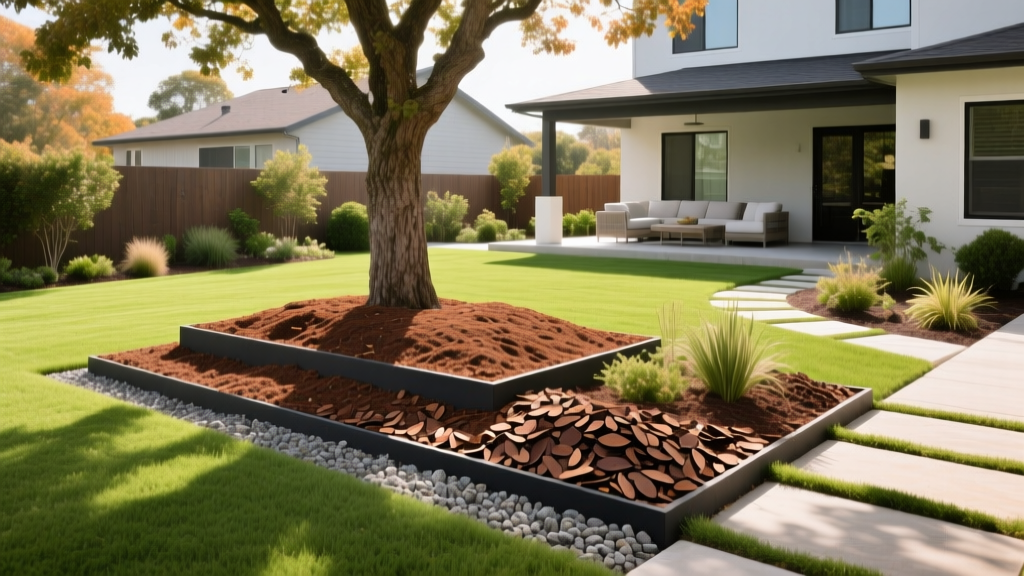
Choosing Mulch That Is Termite Resistant for Yard Defense
The Hidden Risk in Your Garden Beds
Subterranean termites (Reticulitermes flavipes) cause over $5 billion in property damage annually in the United States. While homeowners often focus on structural wood treatments, the landscaping immediately surrounding the foundation is frequently overlooked. Mulch provides the exact microclimate termites require: high moisture, moderate temperatures, and a concealed foraging pathway. However, not all organic ground covers are created equal. Selecting mulch that is termite resistant is a critical first line of defense in an integrated yard pest management strategy.
The goal of termite-resistant mulching is not necessarily to create a toxic barrier, but to utilize materials that lack the specific cellulose-to-lignin ratios termites prefer, or that contain naturally occurring allelochemicals that disrupt their foraging behavior. Below, we break down the most effective options, the science behind their resistance, and the exact placement frameworks required to keep your foundation secure.
The Science of Termite Foraging and Mulch
Termites do not simply 'eat wood'; they rely on symbiotic protozoa and bacteria in their guts to digest cellulose. When evaluating mulch, entomologists look at two factors: palatability (how easily it is digested) and toxicity (the presence of natural repellents).
Softwoods like pine contain high levels of easily digestible cellulose and minimal defensive resins once processed into mulch, making them a termite buffet. Conversely, certain hardwoods and specific conifer heartwoods contain dense lignin structures and volatile oils—such as thujone and limonene—that are actively toxic or highly repellent to termite colonies. Understanding this distinction is vital, as the commercial mulch industry often markets products based on aesthetics rather than entomological safety.
Top 5 Mulch Options That Are Termite Resistant
1. Cedar Mulch (Eastern Red Cedar)
Cedar is the gold standard for organic termite resistance. The heartwood of the Eastern Red Cedar contains high concentrations of thujone, a naturally occurring organic compound that repels insects and disrupts termite pheromone trails.
- Average Cost (2026): $4.50 - $6.00 per cubic foot.
- Resistance Mechanism: Chemical repellency via thujone oils.
- Caveat: The repellent oils leach out over 2 to 3 years. You must top-dress cedar mulch annually to maintain its defensive properties. Once it fully decomposes into standard compost, it loses its resistance.
2. Cypress Heartwood Mulch
Cypress contains limonene and other resins that termites actively avoid. However, there is a massive catch that catches many homeowners off guard.
WARNING: The Cypress Sapwood Trap
Only cypress heartwood is termite resistant. Cypress sapwood (the outer rings of the tree) is highly susceptible to termite infestation. Because modern commercial mulching operations often chip entire trees to maximize yield, standard 'cypress mulch' bags at big-box stores are frequently loaded with sapwood. Always source 100% cypress heartwood from specialized landscape suppliers, or avoid cypress entirely if you cannot verify the heartwood content.
Only cypress heartwood is termite resistant. Cypress sapwood (the outer rings of the tree) is highly susceptible to termite infestation. Because modern commercial mulching operations often chip entire trees to maximize yield, standard 'cypress mulch' bags at big-box stores are frequently loaded with sapwood. Always source 100% cypress heartwood from specialized landscape suppliers, or avoid cypress entirely if you cannot verify the heartwood content.
3. Melaleuca Mulch
Particularly effective in the Southeastern U.S., Melaleuca (Australian pine) is an invasive species in Florida that makes an excellent, highly dense mulch. Research from the University of Florida indicates that Melaleuca is highly resistant to termite tunneling due to its extreme density and low nutritional value for Reticulitermes species.
- Average Cost: $3.00 - $4.50 per cubic foot.
- Lifespan: 3 to 5 years (breaks down much slower than pine or hardwood).
4. Inorganic Rubber Mulch
Made from recycled tires, rubber mulch contains zero cellulose. Termites cannot digest it, and it does not retain the subsurface moisture that colonies need to survive. While it doesn't improve soil health like organic options, it is a permanent, pest-proof solution for high-risk zones.
5. Crushed Stone and Gravel
The ultimate inorganic barrier. A 2-inch layer of crushed stone (such as #57 gravel) provides excellent drainage, eliminates moisture retention, and offers no nutritional value. It is the mandatory choice for the immediate foundation perimeter.
Comparative Analysis: Mulch Resistance Matrix
Use this decision matrix to select the right ground cover based on your specific yard defense needs, budget, and local climate.
| Mulch Type | Resistance Level | Avg Cost / Cu Ft | Lifespan | Soil Health Benefit |
|---|---|---|---|---|
| Cedar (Red) | High (Repellent) | $4.50 - $6.00 | 2-3 Years | Moderate |
| Cypress Heartwood | High (Toxic) | $5.00 - $8.00 | 3-4 Years | Moderate |
| Melaleuca | High (Physical) | $3.00 - $4.50 | 3-5 Years | Low |
| Rubber Mulch | Absolute (Inorganic) | $6.00 - $9.00 | 10+ Years | None |
| Crushed Gravel | Absolute (Inorganic) | $2.00 - $4.00 | Permanent | None (Drainage) |
Mulches to Strictly Avoid (The Termite Buffets)
If you live in a high-termite-pressure zone (USDA Hardiness Zones 7-10), never use the following materials near your home's foundation:
- Pine Bark and Pine Straw: Highly palatable, retains massive amounts of moisture, and breaks down rapidly, providing an ideal incubation environment for fungal growth that termites feed on.
- Standard Hardwood Chips: Often sourced from mixed, decaying municipal yard waste. These are already colonized by fungi and offer zero chemical resistance.
- Composted Wood Chips: While great for vegetable gardens, the soft, pre-digested cellulose in composted wood requires very little energy for termites to harvest.
Strategic Placement: The 12-Inch Foundation Rule
Even the most resistant organic mulch can harbor moisture against your foundation, potentially bypassing your home's chemical soil treatments. According to guidelines supported by the Environmental Protection Agency (EPA), maintaining a clear perimeter is just as critical as the material you choose.
The 12-Inch Inorganic Buffer
Establish a strict 12-inch to 18-inch perimeter around your entire foundation using only inorganic materials (crushed stone, gravel, or bare concrete). This zone serves two purposes:
- Moisture Control: Allows the soil immediately adjacent to the foundation to dry out rapidly after rain, denying termites the humidity they need to build mud tubes.
- Visual Inspection Zone: Creates a stark, bare contrast where termite mud tubes (which are roughly the width of a pencil and brown in color) can be easily spotted before they reach your wooden siding or sill plates.
Proper Grading and Depth Limits
When applying your termite-resistant organic mulch beyond the 12-inch buffer, adhere to the 2-to-3 inch depth limit. Piling cedar or cypress mulch 6 inches deep creates a 'volcano mulching' effect. The bottom layers will remain perpetually wet and begin to rot, eventually losing their chemical defenses and becoming a hospitable environment for foraging workers. Furthermore, ensure the underlying soil slopes away from the house at a minimum grade of 1/4 inch per foot to direct surface water away from the foundation.
Integrating Mulch with Active Termite Bait Stations
If your yard defense strategy includes active termite bait stations (such as Sentricon or Trelona), your mulch choice and placement directly impact their efficacy. Bait stations rely on intercepting random termite foraging tunnels.
"Termites forage blindly through the upper soil layers. If you place a highly attractive, moisture-retaining pine mulch directly over a bait station, the termites will often bypass the station's monitoring wood to feed on the easier, more abundant cellulose in the mulch above. Always use low-palatability mulch like cedar or gravel directly over and immediately surrounding bait station caps."
According to research published by the National Pest Management Association, bait stations should be placed 12 to 24 inches away from the foundation, which perfectly aligns with the outer edge of your inorganic gravel buffer. By placing your cedar or melaleuca mulch starting at the 24-inch mark, you force foraging termites to cross the bare inspection zone and interact with the bait stations before reaching your landscape beds.
Pre-Treatment Considerations for New Landscape Beds
If you are installing new garden beds near the home, consider a localized soil pre-treatment before laying down landscape fabric and your chosen termite-resistant mulch. Liquid termiticides containing Fipronil (0.06%) or Imidacloprid can be applied to the trench immediately outside the foundation buffer. When termites tunnel through this treated soil to reach the mulch beds, they pick up a lethal, slow-acting dose that is transferred back to the colony via trophallaxis (grooming and food sharing). Always consult a licensed pest control professional to ensure soil treatments do not violate local environmental regulations or contaminate nearby water sources.
Frequently Asked Questions
Does dyed black mulch repel termites?
No. The black dye used in commercial mulch is typically carbon black, which is inert and offers zero pest-repellent properties. Dyed mulches are often made from recycled shipping pallets and softwoods, making them highly attractive to termites despite their dark color.
Will landscape fabric stop termites from reaching my mulch?
Landscape fabric is a physical barrier designed to block weeds, not insects. Termites will easily tunnel through the porous weave of standard geotextile fabrics or simply build mud tubes over the top of it. Rely on chemical repellency and inorganic buffers rather than fabric for pest defense.
How often should I treat my cedar mulch to maintain resistance?
You do not need to apply chemical pesticides to cedar mulch. Instead, maintain its natural resistance by top-dressing the beds with 1 inch of fresh cedar mulch every 12 to 18 months. This replenishes the thujone oils that leach into the soil over time, ensuring the top layer remains actively repellent to foraging insects.

