
Pest Control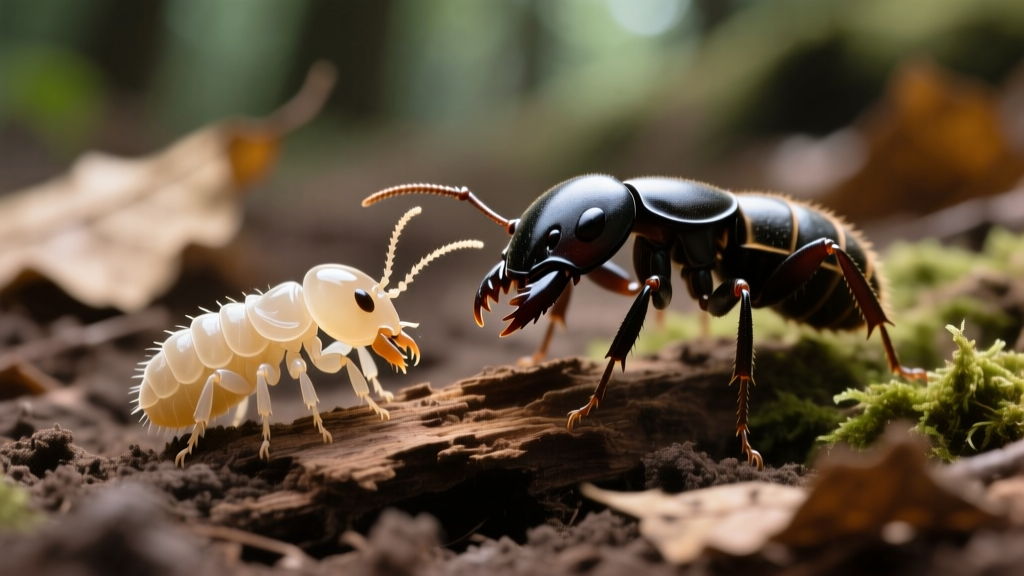
What Does a Termite Look Like? Species, Castes, and Ant ID Guide
The Core Anatomy of a Termite
Misidentification is the most common failure point in early pest management. Homeowners frequently spot an insect near their foundation, assume it is a harmless ant, and miss the critical window to prevent structural damage. Understanding exactly what a termite looks like requires looking past the generic 'white bug' assumption and examining specific morphological traits. Unlike social wasps or beetles, termites (order Blattodea, infraorder Isoptera) possess a distinct, soft-bodied anatomy that varies drastically depending on their role within the colony.
At a baseline level, all termites share three defining physical characteristics: a broad, thick waist that connects the thorax and abdomen without pinching, straight and bead-like antennae (moniliform), and a soft, vulnerable exoskeleton that requires high moisture to prevent desiccation. According to the Environmental Protection Agency (EPA), recognizing these baseline traits is the first step in differentiating wood-destroying insects from benign garden pests.
Identification by Caste: Workers, Soldiers, and Swarmers
A termite colony is divided into distinct castes, and what a termite looks like depends entirely on its job. You will rarely see the queen, but you will encounter the foraging and defending members.
1. Worker Termites (The Foragers)
Workers make up 90% or more of a colony. They are the termites you find inside damaged wood or mud tubes.
- Size: 1/8 to 3/8 inch (3 to 9 mm) long.
- Color: Creamy white, pale yellow, or translucent. They lack pigmentation because they live entirely in the dark.
- Wings: None. Workers are strictly wingless.
- Key Feature: Their mandibles are visible but small, designed for chewing cellulose rather than defense.
2. Soldier Termites (The Defenders)
Soldiers protect the colony from ants and other predators. They are often found blocking the entrances of mud tubes or galleries.
- Size: Slightly larger than workers, typically 1/4 to 1/2 inch.
- Color: Pale bodies with distinctly dark, enlarged heads (yellowish-brown to reddish-brown).
- Wings: None.
- Key Feature: Massive, heavily sclerotized mandibles that look disproportionate to their bodies. Some species, like the Nasutitermes, possess a 'nasute' (a long snout) used to spray defensive chemicals instead of biting.
Field Note: If you break open a piece of infested wood and see pale insects scattering, look closely at the heads. If 1 in 10 insects has a massive, dark head, you are looking at a termite colony, not a carpenter ant nest.
3. Alates / Swarmers (The Reproductives)
Swarmers are the most visible termites, emerging in spring or fall to mate and start new colonies. This is when most homeowners first ask, 'what does a termite look like?'
- Size: 1/2 to 5/8 inch (including wings).
- Color: Dark brown, black, or sometimes pale orange, depending on the species.
- Wings: Two pairs of long, equal-length wings that are milky, smoky, or translucent. The wings are roughly twice the length of the body and break off easily at a 'suture' line after landing.
- Key Feature: A thick, straight abdomen and straight antennae, completely lacking the pinched waist of flying ants.
Species Breakdown: Subterranean vs. Drywood vs. Dampwood
Visual identification must be paired with environmental context. The University of California Statewide IPM Program notes that habitat and frass (fecal matter) are just as critical as the insect's physical appearance for species-level identification.
| Species | Swarmer Color | Worker Size | Habitat & Signs |
|---|---|---|---|
| Subterranean (Reticulitermes) | Dark brown to black | 1/8 to 3/8 inch | Requires soil contact. Builds 1/4 to 1-inch wide mud tubes on foundations. Wood damage follows the grain. |
| Drywood (Incisitermes) | Dark brown with smoky wings | Up to 1/2 inch | Lives entirely inside dry wood (attics, furniture). Leaves behind hexagonal, barrel-shaped frass pellets (1mm long) in small piles. |
| Dampwood (Zootermopsis) | Reddish-brown to yellowish | Up to 3/4 inch (largest) | Infests wood with high moisture content (>25%). Rarely builds mud tubes. Galleries are smooth and clean. |
Termite vs. Carpenter Ant: The Definitive Visual Showdown
Carpenter ants (Camponotus) do not eat wood; they excavate it to build nests. Termites consume the wood for nutrition. Because both insects tunnel through structural timber, distinguishing between a swarmer termite and a flying carpenter ant is a critical diagnostic skill.
| Anatomical Feature | Termite (Swarmer) | Carpenter Ant (Swarmer) |
|---|---|---|
| Waist | Thick, straight, and broad. No visible pinch between thorax and abdomen. | Narrow, sharply pinched waist (petiole) with a distinct node. |
| Antennae | Straight, bead-like (moniliform). | Elbowed (geniculate) with a distinct bend. |
| Wings | Two pairs of equal length. Milky or smoky translucent. Extend far past the abdomen. | Two pairs of unequal length. Front wings are longer than hind wings. Clear with visible dark veins. |
| Body Texture | Soft-bodied, easily crushed. | Hard exoskeleton, difficult to crush. |
Real-World Inspection: Where to Look for Visual Evidence
Knowing what a termite looks like is only half the battle; knowing where to find them dictates your inspection success rate. Termites are photophobic and will actively avoid light and dry air. Follow this targeted inspection flow:
- Check the Foundation Perimeter: Look for subterranean mud tubes. These shelter tubes are 1/4 to 1 inch wide, constructed of soil, wood particles, and termite saliva. Break one open; if it is active, you will see pale, creamy-white workers rushing to repair the breach within hours.
- Inspect Wood-to-Soil Contacts: Examine fence posts, deck supports, and siding that touches the soil. Use a flathead screwdriver to probe the wood. Termite damage leaves a honeycomb pattern with layers of soil packed inside the galleries, unlike the clean, sawdust-filled galleries of carpenter ants.
- Examine Window Sills and Light Sources: During swarming season (typically March through June for Eastern subterranean termites), alates are attracted to light. Look for discarded, milky-white wings piled on window sills, spider webs, or near exterior light fixtures. The wings will all be the exact same size.
- Tap the Drywall and Baseboards: Use the handle of a screwdriver to tap wooden baseboards. A hollow, papery sound indicates the wood has been hollowed out from the inside. Press firmly on the paint; if it cracks and reveals a network of soil and pale insects, you have found an active gallery.
Moisture Rule of Thumb: Termites require high humidity to survive. If you find visual evidence of termites, immediately trace the nearest water source. Leaky HVAC condensation lines, poorly graded soil pooling against the foundation, or plumbing leaks under the crawlspace are almost always the root enabler of the infestation.
When to Call a Professional Exterminator
If you identify workers, soldiers, or active mud tubes, DIY surface sprays are entirely ineffective. Subterranean colonies can house 500,000 to over 2 million individuals deep underground, far beyond the reach of consumer-grade aerosols. Professional intervention requires either liquid termiticide trenching (using non-repellent active ingredients like Fipronil or Imidacloprid) or in-ground baiting systems (such as the Sentricon Always Active system) that exploit the termites' trophallaxis (food-sharing) behavior to transfer the toxin to the queen. If you spot swarmers inside your home, the colony has likely been established inside your walls for 3 to 5 years, necessitating an immediate structural inspection by a licensed pest control operator.

