
Pest Control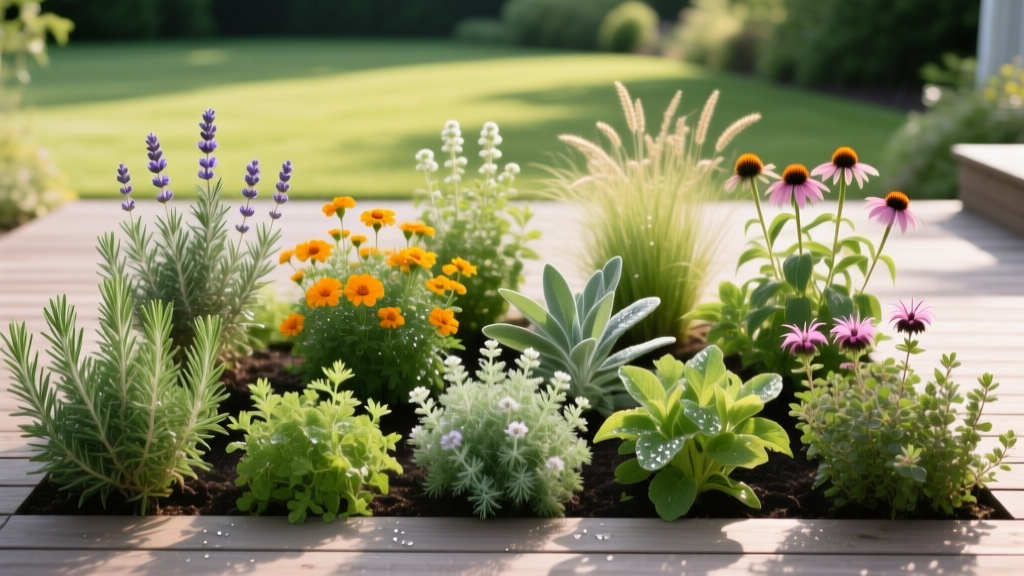
12 Best Pest Resistant Plants for Beginner Gardens
Novice gardeners often rely on reactive chemical sprays after noticing leaf damage, a strategy that disrupts local ecosystems and creates pesticide-resistant insect populations. A more effective, foundational approach is Integrated Pest Management (IPM), specifically leveraging botanical resistance. By selecting cultivars with inherent chemical or physical defenses, you eliminate the need for synthetic interventions before the first seed is sown.
According to the Environmental Protection Agency's IPM principles, biological and cultural controls—such as planting resistant varieties—form the first line of defense in sustainable landscaping. This guide details specific, commercially available cultivars that offer robust resistance, alongside the structural frameworks needed to deploy them effectively in beginner garden beds.
The Hidden Chemistry of Botanical Resistance
Pest resistance in plants is rarely accidental; it is the result of millions of years of evolutionary arms races. When selecting pest resistant plants, you are essentially selecting for specific biochemical and physical traits:
- Allelochemicals and Alkaloids: Plants like lavender and catmint produce volatile organic compounds (VOCs) such as linalool and nepetalactone. These compounds mask the scent of susceptible host plants and actively irritate the olfactory receptors of pests like aphids and flea beetles.
- Trichomes and Pubescence: Fuzzy or hairy leaf surfaces (pubescence) create a physical barrier that prevents soft-bodied insects, such as spider mites and whiteflies, from reaching the epidermis to feed or lay eggs.
- Thiosulfinates and Glucosinolates: Members of the Allium and Brassicaceae families produce sulfur-rich compounds that deter mammalian herbivores (deer, rabbits) and specific nematode species.
8 High-Performance Pest Resistant Cultivars
Generic plant names are insufficient for effective garden planning. Resistance levels vary drastically between species and even among cultivars of the same species. The Cornell University Integrated Pest Management program emphasizes that selecting the precise cultivar adapted to your local microclimate is critical for maintaining the plant's natural stress-response chemistry.
| Common Name | Cultivar / Botanical Name | USDA Zones | Primary Pests Repelled | Resistance Mechanism |
|---|---|---|---|---|
| Ornamental Onion | Allium 'Millennium' | 5-9 | Aphids, Carrot Rust Flies, Deer | High thiosulfinate concentration in foliage and bulbs. |
| French Marigold | Tagetes patula 'Nemagold' | 2-11 (Annual) | Root-Knot Nematodes | Roots exude alpha-terthienyl, a potent biofumigant. |
| English Lavender | Lavandula angustifolia 'Hidcote' | 5-8 | Flea Beetles, Deer, Rabbits | Dense camphor and linalool oils mask host plant scents. |
| Catmint | Nepeta × faassenii 'Walker's Low' | 3-8 | Mosquitoes, Aphids, Japanese Beetles | Nepetalactone synthesis (highly effective airborne repellent). |
| Purple Coneflower | Echinacea purpurea 'Magnus' | 3-8 | Japanese Beetles, Deer | Stiff, bristly stems and tough, fibrous foliage deter chewing. |
| Woodland Sage | Salvia nemorosa 'Caradonna' | 4-8 | Slugs, Snails, Cabbage Loopers | Aromatic oils and slightly textured leaves deter gastropods. |
| Mexican Mint Marigold | Plectranthus amboinicus | 9-11 (Perennial) | Whiteflies, Spider Mites | Pungent oregano-like terpenes disrupt insect navigation. |
| Black-Eyed Susan | Rudbeckia hirta 'Indian Summer' | 3-9 | Cucumber Beetles, Powdery Mildew | Genetic resistance to fungal pathogens that attract secondary pests. |
Deep Dive: The Biofumigation Power of 'Nemagold' Marigolds
Many beginners plant standard marigolds expecting nematode control, only to fail. Standard Tagetes erecta (African marigolds) lack sufficient root exudates. You must specifically source Tagetes patula 'Nemagold' or 'Single Gold'. To achieve actual biofumigation, these plants must be grown densely (spaced 6 inches apart) for a minimum of 90 days, then chopped and tilled directly into the soil 3 weeks before planting your susceptible crops (like tomatoes or carrots). This allows the alpha-terthienyl to break down and sterilize the immediate soil matrix.
The 3-Tier Perimeter Defense Strategy
Planting a single resistant specimen in isolation offers minimal protection. To maximize the efficacy of your pest resistant plants, deploy them using a structured perimeter defense matrix. This framework manipulates pest behavior before they reach your vulnerable crops.
Pro-Tip: The Push-Pull Dynamic
This strategy relies on "pushing" pests away from your core crops using strong-smelling resistant plants, while "pulling" them toward the perimeter using sacrificial trap crops.
This strategy relies on "pushing" pests away from your core crops using strong-smelling resistant plants, while "pulling" them toward the perimeter using sacrificial trap crops.
- Tier 1: The Aromatic Border (The Push)
Plant a continuous 12-inch wide border of Nepeta 'Walker's Low' and Lavandula 'Hidcote' around the entire perimeter of your garden beds. This creates a VOC "smokescreen" that confuses flying insects seeking host plants. - Tier 2: The Trap Crop Ring (The Pull)
Just inside the aromatic border, plant highly susceptible sacrificial crops like Nasturtiums (Tropaeolum majus) or Blue Hubbard Squash. These will attract aphids, flea beetles, and squash vine borers, pulling them away from your primary harvest. Inspect and destroy these plants once pest populations peak. - Tier 3: The Protected Core
Your most vulnerable, high-value crops (tomatoes, brassicas, tender lettuces) are planted in the center. Interplant these with vertical resistant species like Allium 'Millennium' to provide localized, mid-canopy pest disruption.
Why Your "Resistant" Plants Still Get Eaten (Troubleshooting)
A common point of failure for beginners is assuming "pest resistant" means "pest immune." Environmental stress compromises a plant's ability to synthesize defensive chemicals. If your resistant plants are suddenly showing damage, diagnose the underlying cultural failure.
1. Nitrogen Toxicity and Soft Growth
Over-applying synthetic, high-nitrogen fertilizers (like standard 24-8-16 lawn fertilizers) to garden beds forces plants to produce rapid, succulent, thin-walled cellular growth. This "soft growth" dilutes the concentration of alkaloids and thiosulfinates, making even highly resistant cultivars palatable to aphids and Japanese beetles. The Fix: Switch to slow-release organic fertilizers (like a 4-4-4 alfalfa or kelp blend) and limit nitrogen applications to early spring.
2. Soil pH Lockout
Lavender and Catmint require alkaline to neutral soil (pH 6.5 to 7.5) to properly uptake the calcium and magnesium necessary for robust cell wall formation and essential oil production. If planted in acidic soil (pH below 6.0), these plants become stunted, stressed, and highly susceptible to root rot and subsequent pest invasions. The Fix: Test your soil with a digital pH meter. If below 6.0, incorporate pelleted garden lime at a rate of 5 lbs per 100 square feet 60 days before planting.
3. Improper Spacing and Humidity Traps
Resistant plants still need airflow. Crowding Echinacea or Rudbeckia closer than 18 inches apart traps ambient humidity. While the plant may be genetically resistant to powdery mildew, extreme microclimate humidity will overwhelm its physical defenses, leading to fungal outbreaks that weaken the plant and invite secondary pests like fungus gnats and spider mites. The Fix: Adhere strictly to mature spread dimensions on the plant tag, and mulch with 2 inches of arborist wood chips to suppress soil-borne spore splash.
"Resistance is not a static shield; it is a biological process. A stressed plant cannot afford the metabolic cost of producing defensive chemicals. Proper cultural care is the engine that drives botanical resistance." — Principles of Plant Pathology and IPM
Building Your Long-Term Defense Matrix
Transitioning to a garden built on pest resistant plants requires a shift in mindset from eradication to management. By selecting precise cultivars like Allium 'Millennium' and Tagetes patula 'Nemagold', and deploying them within a 3-tier perimeter strategy, you create a resilient ecosystem. Monitor your soil pH, avoid nitrogen overloading, and allow the plants' natural chemistry to do the heavy lifting. This foundational approach not only saves time and money on chemical treatments but also cultivates a healthier, more biodiverse garden environment year after year.

