
Pest Control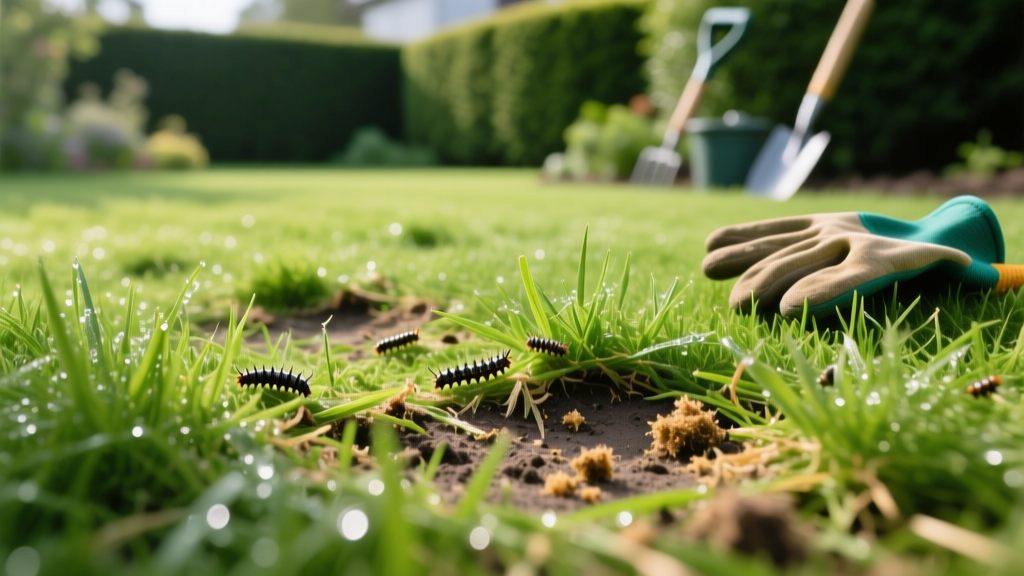
How to Identify and Treat Caterpillar Grass Damage Fast
The 'Caterpillar Grass' Phenomenon: What is Eating Your Lawn?
When homeowners search for 'caterpillar grass,' they are typically describing the shredded, ragged, and brown appearance of turf that has been heavily grazed by larval pests. True caterpillar damage is rarely caused by a single species; it is usually the result of fall armyworms (Spodoptera frugiperda), tropical sod webworms (Herpetogramma phaeopteralis), or cutworms. These pests can devour a pristine lawn in 48 to 72 hours, leaving behind a landscape that looks like it has been scalped by a dull mower.
According to the University of Minnesota Extension, turfgrass caterpillars feed primarily at night or during overcast days, hiding in the thatch layer when the sun is high. This nocturnal behavior often delays detection until the canopy is already severely compromised. Identifying the specific culprit is the first step toward effective eradication.
Diagnostic Matrix: Identifying the Culprit
| Pest Species | Visual Damage Pattern | Frass (Droppings) Appearance | Peak Activity Window |
|---|---|---|---|
| Fall Armyworm | Large irregular brown patches; blades chewed down to the crown. | Green to brown cylindrical pellets (resembles coarse sand). | August through October |
| Sod Webworm | Small, scattered brown spots that coalesce; grass sheared at soil line. | Fine, sawdust-like green powder in the thatch. | June through September |
| Black Cutworm | Circular dead spots the size of a golf ball; stems severed completely. | Moist, dark, clustered pellets near soil burrows. | Spring and early Fall |
Confirming the Infestation: The Soap Flush Test
Visual damage alone is not enough to justify chemical intervention. Drought stress and fungal pathogens like brown patch can mimic caterpillar feeding. Before applying any treatment, perform a soap flush test to force the larvae to the surface.
- Mix the Solution: Combine 2 tablespoons of liquid dish soap (a degreasing brand like Dawn works best) with 1 gallon of water.
- Mark the Zone: Outline a 3-foot by 3-foot (1 square yard) area at the edge of the damaged zone where the grass is transitioning from green to brown.
- Drench the Turf: Pour the soapy mixture evenly over the marked square, ensuring it penetrates the thatch layer.
- Observe and Count: Wait 10 to 15 minutes. If you see more than 3 to 5 caterpillars surface and writhe on the grass blades, your lawn has reached the economic injury threshold and requires immediate treatment.
Targeted Treatment Matrix: Organic vs. Conventional
Selecting the right active ingredient depends on your yard's environmental profile, the presence of pets, and the severity of the outbreak. Below is a 2026 pricing and efficacy breakdown for the most reliable turf caterpillar controls.
| Active Ingredient | Product Example | Target Pests | Est. Cost per 1,000 sq ft | Re-Entry Interval (REI) |
|---|---|---|---|---|
| Bacillus thuringiensis var. kurstaki (Bt) | Monterey B.t. (OMRI Listed) | Armyworms, Webworms (early instars only) | $3.00 | 4 Hours |
| Spinosad (0.5%) | Ferti-lome Borer & Bagworm Killer | Webworms, Cutworms, Armyworms | $4.50 | 4 Hours |
| Chlorantraniliprole (0.08%) | Syngenta Acelepryn G | All turf caterpillars (preventative & curative) | $17.00 | 0 Hours (Caution) |
| Bifenthrin (0.3%) | Hi-Yield Bug Blaster Bifenthrin | Broad spectrum (kills beneficials too) | $2.50 | 12 Hours |
Application Protocols and Edge Case Failures
CRITICAL WARNING: The most common failure mode with Bt (Monterey B.t.) is applying it to late-instar caterpillars (larger than 1/2 inch). Bt only works on the digestive system of young larvae. If your soap flush reveals large, fat caterpillars, you must switch to Spinosad or Bifenthrin for immediate knockdown.
Timing and Environmental Triggers
Caterpillar moth flights are heavily triggered by late-summer humidity spikes and the first heavy rains of August and September. Apply curative liquid treatments (like Spinosad) in the late afternoon or early evening. Caterpillars are nocturnal feeders; spraying at 6:00 PM ensures the residue is dry on the leaf blade right as they emerge from the thatch to feed.
The Mowing Edge Case: Never mow your lawn 48 hours before or 72 hours after applying a liquid foliar caterpillar treatment. Mowing before removes the leaf surface area needed to intercept the spray. Mowing after physically removes the active ingredient before the larvae have consumed a lethal dose. Set your mower deck to 3.5 inches during an active outbreak to reduce plant stress.
Post-Treatment Lawn Recovery Timeline
Once the pests are eradicated, the turf must rebuild its carbohydrate reserves. According to research from the University of Florida IFAS, applying high-nitrogen synthetic fertilizers immediately after a caterpillar attack forces rapid, weak top-growth that depletes the roots. Follow this recovery schedule instead:
Week 1-2: Root Stabilization
Apply a liquid kelp and humic acid extract (such as Simple Lawn Solutions Liquid Aerating Soil Loosener or a generic Ascophyllum nodosum extract) at a rate of 3 ounces per 1,000 square feet. This reduces cellular drought stress and stimulates root hair regeneration without forcing blade growth. Water deeply (0.5 inches) twice a week to keep the crown hydrated.
Week 3-4: Canopy Fill
Once the grass shows visible signs of lateral stolon spreading and new green shoots at the crown, apply a balanced, slow-release fertilizer with a 3-1-2 NPK ratio (e.g., a 15-5-10 blend) at 1 pound of actual nitrogen per 1,000 square feet. This provides the building blocks for the canopy to close the gaps left by the caterpillar feeding.
Preventative Yard Defense Strategies
If your lawn suffered a severe caterpillar outbreak this year, the moths will likely return to the same micro-environment next season. To break the life cycle, shift to a preventative granular strategy using Chlorantraniliprole (Acelepryn G).
Apply Acelepryn G in mid-to-late June, before the peak summer moth flights begin. This active ingredient is highly specific to lepidopteran pests and is remarkably safe for earthworms and pollinators. It binds to the thatch and soil profile, remaining active for up to 4 months. When the newly hatched larvae take their first bite of the treated grass, their muscle receptors are paralyzed, stopping the damage before it becomes visible. While the upfront cost is higher ($17 per 1,000 sq ft), it completely eliminates the need for emergency curative sprays in late summer, saving both time and long-term turf health.

