
Pest Control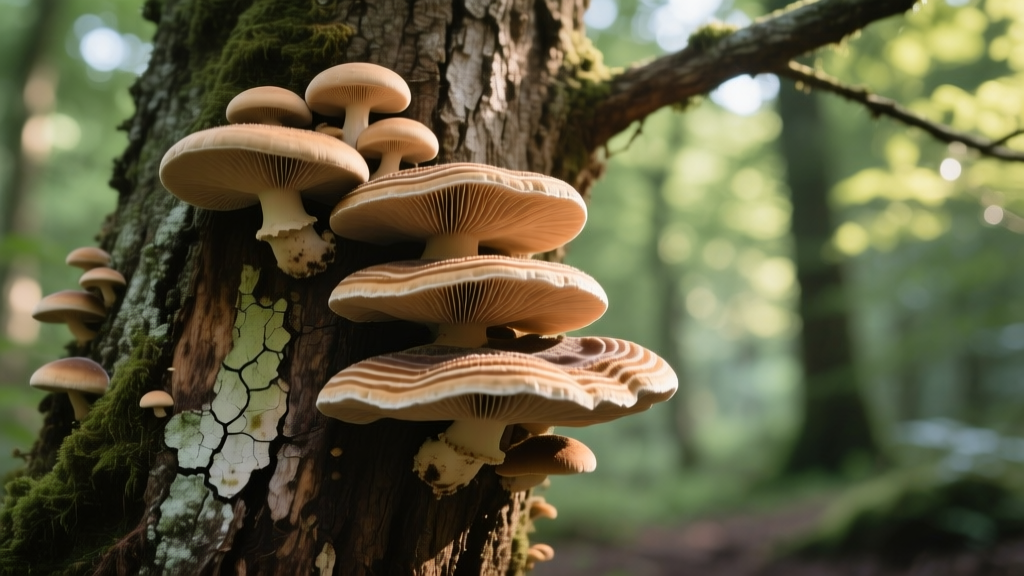
Tree Fungus Identification: Symptom Diagnosis and Rescue Fixes
The Triage Framework: Where to Look First
Fungal pathogens exploit specific tree vulnerabilities, and accurate tree fungus identification requires a systematic visual sweep rather than guesswork. Before applying any treatment, conduct a three-zone inspection: the root flare and soil line, the main trunk and major scaffold branches, and the peripheral canopy. Fungi are generally categorized by their infection zone—root rots compromise structural integrity and water uptake, cankers girdle vascular tissue, and foliar blights reduce photosynthetic capacity. Misidentifying a root rot as a foliar issue will result in wasted chemical applications and eventual tree failure.
Symptom-to-Fungus Diagnostic Matrix
Use this diagnostic matrix to cross-reference visual symptoms with probable pathogens and immediate triage actions. This framework accelerates identification and prevents the misapplication of contact fungicides on systemic vascular diseases.
| Infection Zone | Visual Indicator | Probable Fungus | Immediate Triage Action |
|---|---|---|---|
| Root Flare / Soil | Honey-colored mushrooms at base; white fan-like mycelium under bark | Armillaria mellea (Oak Root Fungus) | Excavate root flare; assess structural stability; consider phosphite injection |
| Lower Trunk | Reddish-brown, varnished shelf-like conks; spongy white wood decay | Ganoderma lucidum (Varnish Shelf) | Sonic tomography to assess hollow percentage; prepare for removal if >30% compromised |
| Trunk / Branches | Sloughing bark revealing gray/black stroma; branch dieback | Hypoxylon atropunctatum (Hypoxylon Canker) | Prune affected limbs 12-18 inches past the visible margin; reduce environmental stress |
| Canopy / Leaves | Angular, brown necrotic lesions along leaf veins; premature defoliation | Apiognomonia veneta (Anthracnose) | Apply Chlorothalonil or Mancozeb at bud break; improve air circulation via crown thinning |
Root and Butt Rots: The Hidden Structural Threats
Root rots are the most dangerous fungal infections because they compromise the tree's anchor system long before canopy dieback becomes obvious. By the time fruiting bodies appear at the soil line, the pathogen has typically colonized 20% to 40% of the root mass.
Armillaria (Oak Root Fungus)
Armillaria thrives in stressed trees and spreads via rhizomorphs (black, shoestring-like structures) through the soil. To confirm, use a pocket knife to peel back the bark at the root flare; the presence of thick, white, fan-shaped mycelial plaques with a distinct mushroom odor confirms infection. According to the Morton Arboretum, there is no chemical cure for advanced Armillaria, but early-stage infections can be managed.
- Rescue Fix: Carefully excavate the soil from the root flare using an AirSpade or gentle hand tools to expose the infected tissue to UV light and dry air, which inhibits fungal growth.
- Chemical Support: Apply a soil drench of Bacillus subtilis (e.g., Serenade ASO) at a rate of 2 to 4 ounces per 100 gallons of water to introduce competitive biological agents. For high-value specimens, professional trunk injections of phosphorous acid (e.g., Arborjet Alamo) at $15 to $25 per inch of trunk DBH (Diameter at Breast Height) can boost the tree's natural defense compounds (phytoalexins).
Ganoderma (Varnish Shelf)
⚠️ Critical Warning: Ganoderma causes a white rot that destroys lignin, leaving the wood structurally useless. If conks (fruiting bodies) are present on the main trunk, the internal decay is already advanced. Do not attempt chemical rescue. Hire an ISA Certified Arborist to perform a resistograph test. If decay exceeds 30% of the trunk's cross-section, immediate removal is required to prevent property damage from windthrow.
Trunk Cankers and Vascular Wilts
Cankers locally destroy the cambium and phloem, eventually girdling branches or the main trunk. They are frequently secondary pathogens, attacking trees already weakened by drought, construction damage, or improper pruning.
Hypoxylon Canker
Hypoxylon is notorious for attacking drought-stressed oaks and hickories. The hallmark symptom is the sloughing off of the outer bark, exposing a crusty, gray-to-black fungal stroma. As Penn State Extension notes, the fungus produces toxic compounds that kill the cambium ahead of the visible lesion.
- Diagnostic Confirmation: Look for the distinct boundary between healthy, tightly attached bark and the sloughing, paper-like bark revealing the black stroma.
- Pruning Protocol: If the infection is isolated to a single scaffold branch, prune the limb at least 12 to 18 inches below the visible lower margin of the canker.
- Sanitation: Sterilize pruning saws and loppers between every single cut using 70% isopropyl alcohol or a 10% bleach solution. Failure to sterilize tools will mechanically vector the spores into healthy cambial wounds.
- Environmental Rescue: Hypoxylon is a stress pathogen. Implement deep-root watering (delivering 1 inch of water per week to the drip line) and apply a 3-inch layer of arborist wood chip mulch, keeping it 4 inches away from the trunk flare to retain soil moisture without promoting collar rot.
Foliar and Twig Blights: Canopy Rescue Protocols
While foliar fungi rarely kill a mature tree in a single season, consecutive years of severe defoliation will deplete carbohydrate reserves, leading to secondary borer infestations and eventual decline.
Anthracnose
Anthracnose thrives in cool, wet spring weather. Symptoms include angular, brown lesions that are restricted by leaf veins, often causing leaves to curl and drop prematurely. The UMass Amherst Extension emphasizes that timing is the single most critical factor in chemical control.
- Fungicide Application: Apply a protectant fungicide containing Chlorothalonil (e.g., Daconil Weather Stik) or Mancozeb (e.g., Dithane M-45). The standard rate for Chlorothalonil is 2.25 fluid ounces per gallon of water, applied to the point of runoff.
- Timing: The first application must occur exactly at bud break, followed by two additional applications at 10- to 14-day intervals. Applying fungicides after symptoms are visible on the leaves is entirely ineffective, as contact fungicides cannot cure existing necrotic tissue.
- Systemic Alternative: For large trees where spray coverage is impossible, professional trunk injections of Propiconazole 14.3% (e.g., Banner Maxx) provide systemic protection. This costs approximately $12 to $18 per inch of DBH and should be applied in early spring before bud break.
Decision Framework: DIY Rescue vs. Professional Intervention
Not all fungal infections can be managed with consumer-grade products or DIY pruning. Use this framework to determine when to call an ISA Certified Arborist:
- DIY Manageable: Foliar blights (Anthracnose, Powdery Mildew) on trees under 15 feet tall; minor Hypoxylon cankers isolated to small, easily reachable peripheral branches; preventative soil drenches for young transplants.
- Requires Professional Intervention: Any fruiting bodies (conks or mushrooms) growing directly from the main trunk or root flare; canopy dieback exceeding 20% of the total crown; trees located within falling distance of structures, roads, or high-traffic pedestrian areas; requirement for trunk injections or aerial crane removals.
Accurate tree fungus identification is the prerequisite for any successful intervention. By matching specific visual symptoms to the pathogen's biological behavior, you can deploy targeted rescue fixes, avoid wasting money on ineffective chemical treatments, and make informed decisions about tree preservation versus removal.

