
Pest Control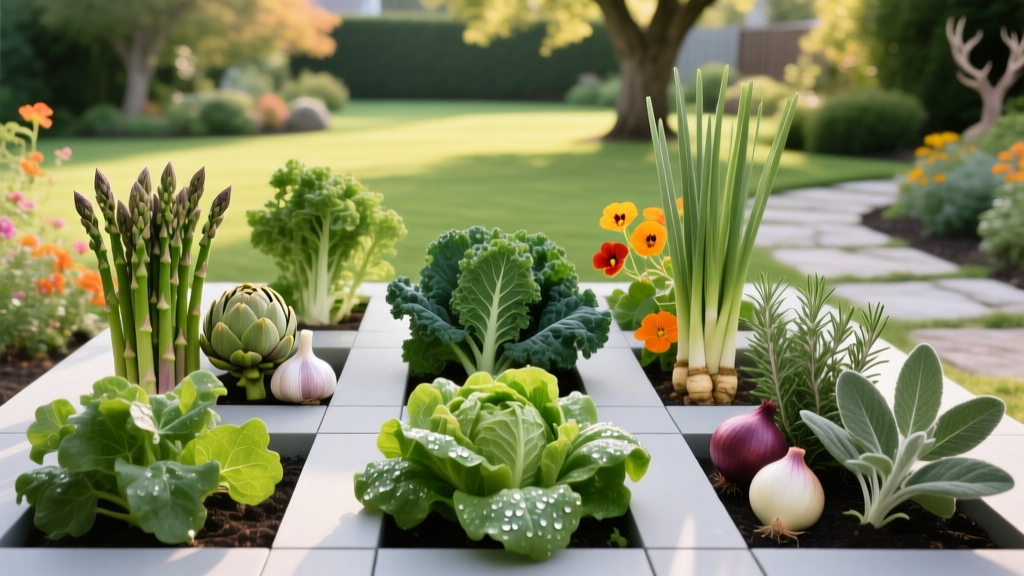
10 Vegetables That Are Deer Resistant to Protect Your Crop
The Biology of Deer Aversion in the Garden
White-tailed deer (Odocoileus virginianus) are opportunistic browsers capable of consuming 5 to 10 pounds of forage daily. However, their digestive biology and sensory preferences make them highly selective. When selecting vegetables that are deer resistant, gardeners must understand that deer rely heavily on olfactory cues and tactile feedback. Plants containing high levels of sulfur compounds, capsaicin, or toxic alkaloids trigger an innate avoidance response. Furthermore, deer lack upper incisors; they tear plant material rather than clipping it cleanly. Vegetables with fuzzy trichomes, prickly vines, or tough, fibrous leaves physically impede this tearing mechanism, making them unpalatable.
According to the Rutgers University New Jersey Agricultural Experiment Station, plant resistance is not absolute. A plant's palatability shifts based on seasonal forage availability, local herd pressure, and the age of the deer. Fawns, for instance, are still learning what is toxic and may sample plants that mature deer instinctively avoid. Therefore, integrating highly resistant crops with physical and olfactory backup deterrents is mandatory for a secure harvest.
Resistance Matrix: Top Deer-Resistant Vegetables
Not all resistant vegetables offer the same level of protection. The following matrix categorizes common garden crops by their primary deterrent mechanism and their specific window of vulnerability.
| Vegetable Crop | Resistance Level | Primary Deterrent Mechanism | Vulnerability Window |
|---|---|---|---|
| Garlic & Onions (Alliums) | Highly Resistant | Sulfur compounds / Olfactory | Rarely eaten unless deep winter starvation |
| Hot Peppers (Capsicum) | Highly Resistant | Capsaicin / Chemical irritation | First 14 days post-transplant |
| Potatoes (Solanum) | Highly Resistant | Solanine toxicity / Underground | Exposed tubers near soil surface |
| Tomatoes (Solanum) | Moderately Resistant | Solanine / Alkaloids | Young, tender transplants |
| Carrots (Daucus) | Highly Resistant | Fern-like foliage / Olfactory | Seedling thinning stage |
| Summer Squash & Zucchini | Moderately Resistant | Prickly trichomes / Tactile | Tender new shoots and blossoms |
Deep Dive: The Allium Family (Garlic, Onions, Leeks)
Alliums are the gold standard for mammal deterrence. The high concentration of diallyl disulfide and other sulfuric compounds masks the scent of neighboring, more palatable crops. For maximum efficacy, plant 'Music' garlic or 'Red Wing' onions. These specific cultivars produce robust, pungent foliage that matures quickly.
- Planting Depth & Spacing: Plant garlic cloves 2 inches deep and 6 inches apart. Shallow planting risks frost heave, which exposes the clove and invites rodent foraging, even if deer ignore it.
- Companion Framework: Use alliums as a perimeter shield. Planting a dense 2-foot-wide border of onions and garlic around the exterior of your garden bed reduces the likelihood of deer entering the inner rows to browse on susceptible crops like beans or peas.
Deep Dive: Nightshades and Solanaceae
Tomatoes, peppers, and eggplants belong to the nightshade family and contain solanine and tomatine—glycoalkaloids that are toxic to many mammals. While mature deer generally recognize and avoid these plants, the Cornell University Wildlife Damage Management program notes that high herd density and drought conditions can force deer to sample toxic foliage.
Vulnerability Alert: The highest risk for nightshades occurs in the first 14 days after transplanting. Nursery-grown transplants are often heavily fertilized with nitrogen, producing tender, sweet, light-green growth that temporarily overrides the plant's natural alkaloid bitterness.
Protecting Young Solanaceae Transplants
To protect tomatoes and peppers during their vulnerability window, construct temporary cages using 36-inch tall, 1-inch hexagonal poultry wire. Secure the wire with 3-foot rebar stakes driven 12 inches into the soil. Remove the cages once the plant's secondary growth matures and the leaves develop their characteristic rough texture and deeper green color, indicating higher alkaloid concentrations.
Tactile Deterrence: Cucurbits and Root Crops
Vegetables like zucchini, cucumbers, and pumpkins rely on physical rather than chemical defenses. The leaves and stems of cucurbits are covered in stiff, prickly trichomes (plant hairs) that irritate the sensitive muzzles of browsing mammals. Similarly, root crops like carrots, radishes, and parsnips hide their edible portions underground, while their above-ground foliage is either too fibrous or strongly scented to attract attention.
When growing cucurbits, allow the vines to sprawl naturally rather than trellising them at deer-head height (3 to 4 feet). Ground-level sprawling forces deer to navigate the prickly vines to reach the fruit, which they will usually abandon in favor of easier forage.
The 'Starvation Override' Edge Case
Gardeners must plan for late-winter and early-spring edge cases. In February and March, when natural woodland forage is buried under snow or exhausted, deer experience a 'starvation override.' During this window, their survival instinct suppresses their aversion to toxic or foul-tasting plants. Deer will strip the bark from trees and consume toxic yew, rhododendron, and even garden alliums if caloric desperation is high enough.
'Deer resistance is a behavioral spectrum, not a biological absolute. A plant that is ignored in July may be consumed in March when the deer's rumen microbiome shifts to digest lower-quality, higher-toxicity forage to prevent starvation.' — Wildlife Foraging Dynamics Research
Backup Deterrents: Repellents and Physical Barriers
Relying solely on plant selection is insufficient in areas with high deer density (over 30 deer per square mile). You must integrate secondary deterrents, specifically targeting the olfactory and physical domains.
Olfactory Repellents
Putrescent egg solid-based repellents (such as Liquid Fence Deer & Rabbit Repellent) are highly effective for perimeter application. Apply at a rate of 1 gallon per 1,000 square feet of garden perimeter every 3 weeks during the growing season. For a granular alternative, Milorganite (a 5-2-0 nitrogen fertilizer derived from heat-dried microbes) acts as a potent olfactory deterrent. Apply Milorganite at 5 lbs per 100 square feet along the garden border. Expect to spend approximately $18 to $22 per 36-lb bag in 2026, making it a cost-effective dual-purpose fertilizer and deterrent.
Physical Fencing Specifications
If plant selection and repellents fail, physical exclusion is the only 100% effective method. White-tailed deer can clear standard 6-foot fences with ease. For a permanent solution, install an 8-foot tall woven wire fence. Alternatively, a slanted fence design—where a 5.5-foot fence leans outward at a 45-degree angle—exploits the deer's inability to accurately judge depth and height simultaneously, preventing them from attempting the jump. Budget approximately $3.50 to $5.00 per linear foot for professional installation of an 8-foot woven wire perimeter.
Strategic Garden Layout Framework
To maximize the efficacy of vegetables that are deer resistant, adopt the Concentric Zone Planting Strategy:
- Zone 1 (Outer Perimeter): Plant a dense 2-foot border of highly resistant alliums (garlic, onions, leeks) and pungent herbs (rosemary, lavender, mint). This creates an olfactory wall.
- Zone 2 (Mid-Ring): Plant moderately resistant, tactile-deterrent crops like squash, cucumbers, and potatoes. The prickly vines act as a physical secondary barrier.
- Zone 3 (Inner Core): Plant your highly susceptible, deer-favorite crops (beans, peas, sweet corn, leafy greens). By the time a deer navigates the foul-smelling Zone 1 and the prickly Zone 2, they are highly likely to abandon the effort before reaching the core.
By combining the biological realities of deer foraging with strategic crop selection and targeted backup deterrents, you can maintain a highly productive garden without resorting to constant, expensive chemical interventions.

