
Pest Control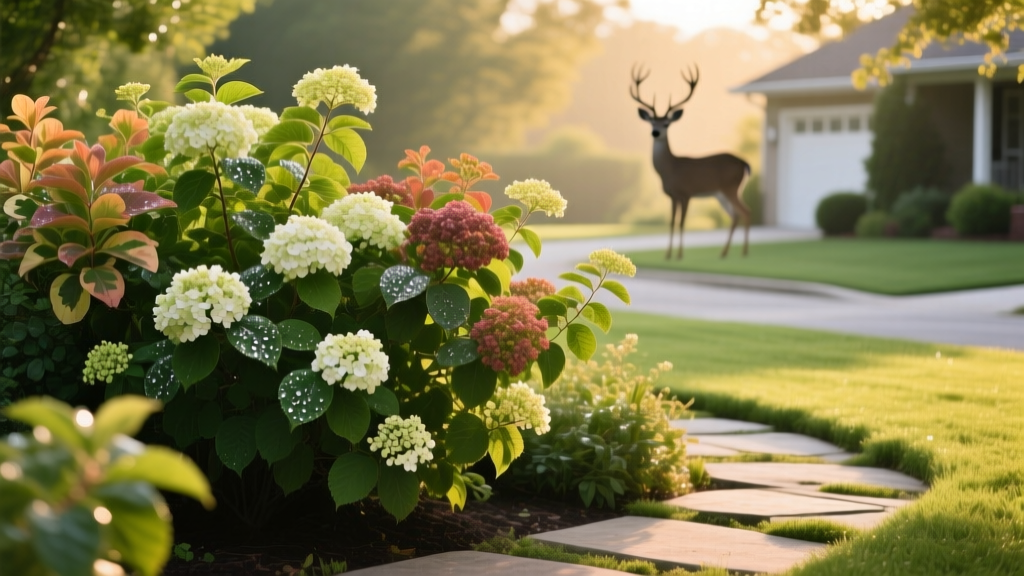
Is Viburnum Deer Resistant? Best Cultivars & Deterrent Tactics
Homeowners frequently plant viburnums for their stunning spring flower clusters, vibrant autumn foliage, and winter-persistent berries. However, in areas with high mammal pressure, these shrubs often become an expensive buffet. If you are researching whether there is a truly viburnum deer resistant option for your landscape, the answer requires nuance. While no plant is entirely deer-proof under extreme starvation conditions, specific cultivars possess structural and chemical traits that make them significantly less palatable.
This guide breaks down the reality of viburnum browsing, identifies the most resistant cultivars based on university field trials, and provides exact, cost-effective deterrent strategies to protect your investment from deer, rabbits, and voles.
The Reality of Viburnum and Deer Browsing
To understand which viburnums survive, we must look at the Rutgers University Landscape and Nursery Plant Resistance to Deer Damage database. Rutgers rates plants on a scale from A (Rarely Damaged) to D (Frequently Severely Damaged).
⚠️ The Winter Starvation Caveat: A shrub rated 'B' (Seldom Severely Damaged) in July may be stripped to the bark by February. Deer resistance is highly dependent on local herd density, seasonal forage availability, and the specific age of the plant. Young, tender viburnum growth is almost always targeted regardless of the cultivar.
Most popular landscaping viburnums, such as the Korean Spice (Viburnum carlesii) and Burkwood (Viburnum burkwoodii), fall into the 'C' or 'D' categories. Deer are drawn to their broad, tender leaves and the high moisture content in their new spring shoots. However, a few specific species have evolved thicker cuticles, leathery textures, or mild toxicity that deters browsing.
Top Deer-Resistant Viburnum Cultivars
If you are determined to plant viburnums in a high-pressure zone, select from the following cultivars. These varieties consistently outperform others in university resistance trials and long-term landscape observations.
| Cultivar (Common Name) | Botanical Name | Rutgers Rating | Hardiness Zones | Mature Size |
|---|---|---|---|---|
| Leatherleaf | V. rhytidophyllum | B (Seldom Damaged) | 5 - 8 | 6 - 10 ft |
| Wayfaring Tree | V. lantana | B / C (Variable) | 4 - 7 | 10 - 15 ft |
| Doublefile | V. plicatum | C (Occasionally) | 5 - 8 | 8 - 10 ft |
| Siebold | V. sieboldii | B (Seldom Damaged) | 4 - 7 | 15 - 20 ft |
The Leatherleaf Advantage: Viburnum rhytidophyllum is widely considered the most deer-resistant option in the genus. Its leaves feature a thick, leathery upper surface and a dense, woolly, rust-colored underside. This physical texture is highly unappealing to the deer's palate, making it the safest bet for unfenced perimeter plantings.
Why Deer Target Certain Viburnums
Deer do not browse randomly; they select plants based on nutritional yield and ease of consumption. Vulnerable viburnums like the Viburnum dentatum (Arrowwood) or Viburnum opulus (European Snowball) share traits that attract mammals:
- High Moisture Content: In late summer and early fall, deer seek out plants with high water retention to prepare for winter.
- Smooth Leaf Cuticles: Broad, smooth leaves are easier to tear and digest than the fibrous, heavily veined leaves of resistant species.
- Lack of Alkaloids: While some garden plants produce toxic alkaloids or strong terpenes (like lavender or boxwood), most vulnerable viburnums lack strong chemical deterrents.
Proven Deterrent Strategies for Vulnerable Cultivars
If your heart is set on a highly fragrant but vulnerable cultivar like Korean Spice, or if you are protecting young Leatherleaf shrubs during their establishment phase, you must implement active deterrence. According to Penn State Extension guidelines on deer damage management, a multi-modal approach yields the highest success rate.
1. Chemical Repellents (Contact and Area)
For existing shrubs, contact repellents are the most cost-effective short-term solution. Look for products where the active ingredient is Putrescent whole egg solids (e.g., Deer Out, Liquid Fence).
- Application Rate: Apply to the point of runoff on dry foliage. A standard 32 oz ready-to-use bottle ($25–$35) covers approximately 500 square feet of shrub surface area.
- Reapplication Schedule: You must reapply every 30 days, or immediately after 1 inch of cumulative rainfall. Failure to reapply after rain is the #1 cause of repellent failure.
- Rotation: Deer habituate to single scents. Alternate egg-based repellents with Thiram-based fungicide/repellents every 60 days to maintain the psychological barrier.
2. Physical Exclusion (Fencing and Tree Tubes)
For new plantings, physical barriers are non-negotiable. Deer can reach up to 6 feet on their hind legs, meaning standard 4-foot garden fences are useless.
- Tree Tubes: For shrubs under 4 feet tall, use corrugated plastic tree tubes (e.g., Plantra or Tubex). Cost: $3–$5 per tube. These protect the central leader and allow the shrub to establish a woody base.
- Perimeter Netting: Black polypropylene deer netting (8-foot height) costs roughly $1.50 to $2.00 per linear foot. It is nearly invisible from a distance and highly effective when secured with heavy-duty UV-treated zip ties to metal T-posts.
The Hidden Threat: Rodent and Rabbit Girdling
While deer strip foliage, rabbits and voles pose a lethal threat to the viburnum's cambium layer during winter. When snow covers the ground, these rodents chew through the bark at the soil line, effectively girdling and killing the shrub. A deer-resistant viburnum is useless if a vole kills the root system.
🛡️ The Hardware Cloth Protocol:
Protect the base of every viburnum shrub with galvanized hardware cloth. Do not use chicken wire, as voles can easily squeeze through the 1-inch gaps. Purchase 1/4-inch or 1/2-inch mesh hardware cloth. Cut a piece 24 inches wide, wrap it into a cylinder around the trunk, and bury the bottom edge 2 inches deep in the soil to prevent tunneling. Leave a 2-inch gap between the wire and the bark to allow for trunk expansion and prevent moisture trapping.
Protect the base of every viburnum shrub with galvanized hardware cloth. Do not use chicken wire, as voles can easily squeeze through the 1-inch gaps. Purchase 1/4-inch or 1/2-inch mesh hardware cloth. Cut a piece 24 inches wide, wrap it into a cylinder around the trunk, and bury the bottom edge 2 inches deep in the soil to prevent tunneling. Leave a 2-inch gap between the wire and the bark to allow for trunk expansion and prevent moisture trapping.
Frequently Asked Questions
Will deer eat viburnum berries in the winter?
Yes. While deer may avoid the leathery leaves of a Leatherleaf viburnum, they will readily consume the carbohydrate-rich berries in late winter when other forage is buried under snow. This actually benefits the landscape, as it aids in seed dispersal, but it means you may lose your winter visual interest.
Are there any native viburnums that are deer resistant?
Most native North American viburnums (like Arrowwood and Mapleleaf) are highly preferred by deer. The Mapleleaf viburnum (Viburnum acerifolium) is occasionally listed as moderately resistant due to its fuzzy leaf texture, but it will still be browsed in high-pressure areas. If native planting is a strict requirement, you must pair the shrubs with heavy repellent use or physical fencing.
Does planting garlic or alliums near viburnums deter deer?
Companion planting with strong-smelling alliums (like Allium giganteum or ornamental garlic) provides a very mild, localized deterrent. However, it is not a substitute for physical barriers or commercial putrescent egg repellents. Deer will simply reach over the alliums to browse the viburnum foliage if they are hungry enough.

