
Pest Control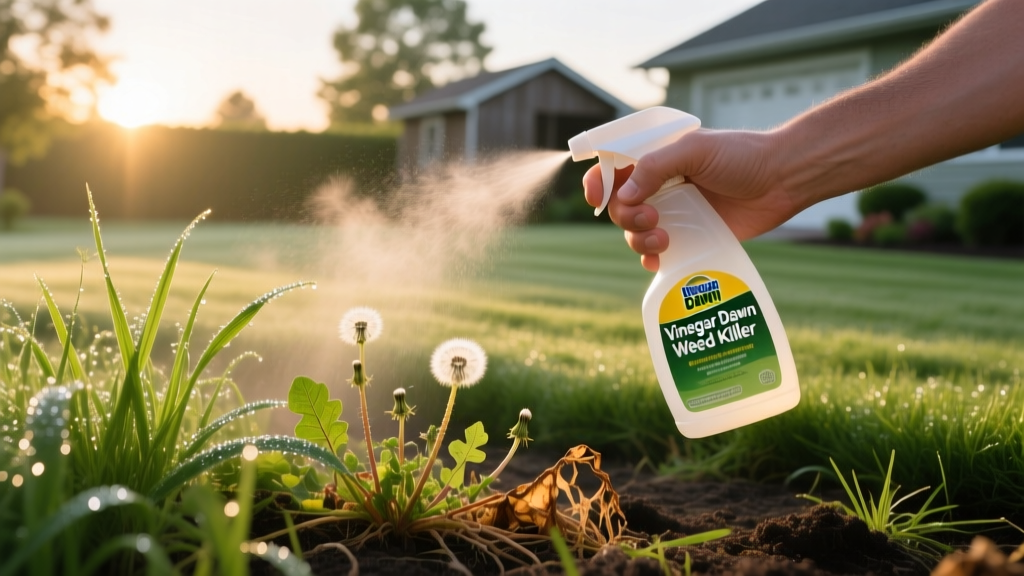
Vinegar Dawn Weed Killer: The Science, Recipe, and Soil Risks
The Chemistry of Acetic Acid and Surfactants
The viral vinegar Dawn weed killer is not a systemic herbicide; it is a contact burndown agent. Its efficacy relies entirely on rapid cellular desiccation. Acetic acid (CH3COOH) acts as a non-selective contact herbicide by dissolving the waxy cuticle of plant leaves and lowering the intracellular pH. This severe acidification causes the cell membranes to rupture, leading to immediate water loss and tissue necrosis. According to the Environmental Protection Agency (EPA), acetic acid is classified as a minimum-risk pesticide when used in specific concentrations, though higher horticultural grades require strict handling protocols.
However, acetic acid alone is highly inefficient. Water and dilute acids naturally bead up on the hydrophobic waxy cuticles of mature weeds, rolling off before they can penetrate the tissue. This is where Dawn dish soap becomes critical. Dawn functions as an anionic surfactant (specifically utilizing sodium lauryl sulfate and alkyl polyglucosides). By reducing the surface tension of the liquid from roughly 72 mN/m down to 30 mN/m, the surfactant allows the acidic solution to spread evenly across the leaf surface and penetrate the stomata. For optimal results, use standard blue Dawn Ultra rather than Dawn Platinum or heavy degreasing variants, which contain additional solvents that can leave phytotoxic residues in the soil.
Warning: The Viral Salt Controversy
Many online recipes instruct homeowners to add one cup of table salt (NaCl) or Epsom salt to the mixture. Do not add table salt. Sodium ions displace calcium and magnesium in the soil profile, destroying soil structure through a process called deflocculation. This seals the soil surface, preventing water infiltration and permanently sterilizing the area. While Epsom salt (magnesium sulfate) is less destructive, excessive magnesium can induce calcium deficiency in surrounding desirable plants. A true organic approach relies solely on the acid and surfactant, accepting that repeat applications are necessary for deep-rooted perennials.
Formulating the Mix: Household vs. Horticultural Vinegar
The most common point of failure for DIY organic herbicides is using the wrong concentration of acetic acid. Standard culinary vinegar is 5% acetic acid. While this will burn the tops off young, newly germinated weed seedlings, it lacks the chemical potency to destroy the cuticle of mature broadleaf weeds or tough grassy weeds. To achieve a true burndown, you must source horticultural vinegar.
| Vinegar Grade | Acetic Acid % | Target Weeds | 2026 Avg. Cost | Required PPE |
|---|---|---|---|---|
| Household (Culinary) | 5% | Young seedlings (<2 inches) | $3 - $5 / Gallon | Standard gloves |
| Cleaning Grade | 10% - 15% | Small annuals, chickweed | $10 - $15 / Gallon | Gloves, safety glasses |
| Horticultural Grade | 20% - 30% | Mature broadleaf, crabgrass | $35 - $45 / Gallon | Acid gloves, face shield, respirator |
The Master Recipe (1 Gallon Batch):
- 1 Gallon 20% Horticultural Vinegar
- 1 Ounce (approx. 2 tablespoons) Blue Dawn Ultra Dish Soap
- Optional: 1 Ounce of orange oil (d-limonene) to accelerate cuticle dissolution
Step-by-Step Application Protocol for Maximum Efficacy
Because acetic acid lacks systemic translocation (it does not move down into the roots), the physical application technique dictates your success rate. Follow this strict protocol to ensure complete foliar coverage.
- Check the Thermal Window: Acetic acid requires heat to rapidly desiccate tissue. Apply only when ambient temperatures are between 70°F and 85°F. Applications below 60°F will result in incomplete cell lysis, while applications above 90°F cause the acid to volatilize before it can penetrate the leaf.
- Select the Right Nozzle: Adjust your pump sprayer to a flat fan pattern, not a pinpoint stream or a wide mist. A flat fan ensures an even, overlapping coating of the surfactant-acid mixture without excessive drift onto desirable turf.
- Time the Application: Spray between 10:00 AM and 2:00 PM. Morning dew will dilute the surfactant, and late afternoon applications do not provide enough UV and thermal energy to drive the desiccation process before the stomata close for the evening.
- Spray to Wet, Not to Runoff: Coat the leaves until they glisten. If the liquid is dripping off the leaf edge and pooling in the soil, you are wasting product and unnecessarily lowering your soil pH. The goal is 100% foliar coverage with zero soil runoff.
- Wait 24 Hours for Assessment: Susceptible weeds will show severe necrosis (browning and wilting) within 2 to 4 hours. However, wait a full 24 hours before deciding if a second pass is required. Perennials may attempt to push new growth from the crown after 48 hours.
Target Weeds: Susceptible vs. Resistant Species
Understanding the morphological limitations of the vinegar Dawn weed killer prevents frustration. This mixture is highly effective against annuals with shallow root systems and thin cuticles, but it struggles heavily against established perennials with deep taproots or rhizomatous grasses.
Highly Susceptible (1-2 Applications Required)
- Common Chickweed: Thin cuticle and shallow fibrous roots make it highly vulnerable to 20% acetic acid.
- Annual Bluegrass (Poa annua): Readily desiccates when sprayed during its active spring growth phase.
- Hairy Bittercress: The explosive seed pods and tender foliage are easily destroyed by contact herbicides.
- Purslane: While succulent, the high water content in the leaves actually accelerates the acid-induced cell rupture.
Highly Resistant (Requires Alternative Organic Methods)
- Dandelion (Taraxacum officinale): The deep taproot (often exceeding 10 inches) remains entirely unaffected by foliar contact burns. The plant will regenerate within two weeks.
- Bermudagrass & Quackgrass: These spread via deep underground rhizomes. Burning the top growth merely stimulates the rhizomes to push up multiple new shoots, worsening the infestation.
- Field Bindweed: Features a massive, deep root system and a naturally waxy, highly hydrophobic leaf surface that repels even strong surfactants.
Long-Term Soil Health and pH Buffering
A common concern among organic lawn care practitioners is the impact of repeated acetic acid applications on soil microbiology and pH. Acetic acid is a weak organic acid that soil microbes rapidly metabolize. According to soil science principles documented by university extensions, the acetate ion is quickly broken down into carbon dioxide and water by soil bacteria, typically within 48 to 72 hours.
However, if you are repeatedly spraying the same driveway cracks or garden bed edges, the localized pH can temporarily drop, inhibiting beneficial mycorrhizal fungi. To buffer the soil in heavily treated areas, apply a light dusting of calcitic lime (calcium carbonate) at a rate of 5 lbs per 1,000 square feet three days after your final vinegar application. This neutralizes any residual acidity and replenishes calcium without introducing the harmful sodium ions found in baking soda or table salt.
Pro-Tip: The Boiling Water Pre-Treatment
For weeds growing in driveway cracks or patio pavers where soil health is irrelevant, pour boiling water directly over the weed crown first. This instantly cooks the plant's vascular tissue and opens the stomata. Follow up immediately with the vinegar Dawn spray for a 100% kill rate, even on stubborn perennials, without using synthetic chemicals.
Frequently Asked Questions
Will the Dawn soap harm my soil microbiome?
In the dilute concentrations used (1 ounce per gallon), the surfactants in Dawn are rapidly biodegraded by soil microbes. It does not accumulate in the soil profile or cause long-term harm to earthworms or beneficial nematodes, provided you are spraying the foliage and not drenching the soil directly.
Can I use apple cider vinegar instead of white vinegar?
Yes, but it is economically inefficient. Apple cider vinegar contains the same 5% acetic acid as standard culinary white vinegar, but it costs significantly more per gallon. The trace minerals and 'mother' in apple cider vinegar provide zero additional herbicidal benefit. Always opt for the cheapest, highest-concentration white horticultural vinegar available.
Is this mixture safe for pets and wildlife?
Once the liquid has dried on the foliage (usually within 30 minutes), the acetic acid has either volatilized or been metabolized, making the area safe for pets. However, the 20% horticultural liquid in the sprayer tank is a severe eye and skin irritant. Keep pets indoors during application and until the sprayed surfaces are completely dry.

