Pest Control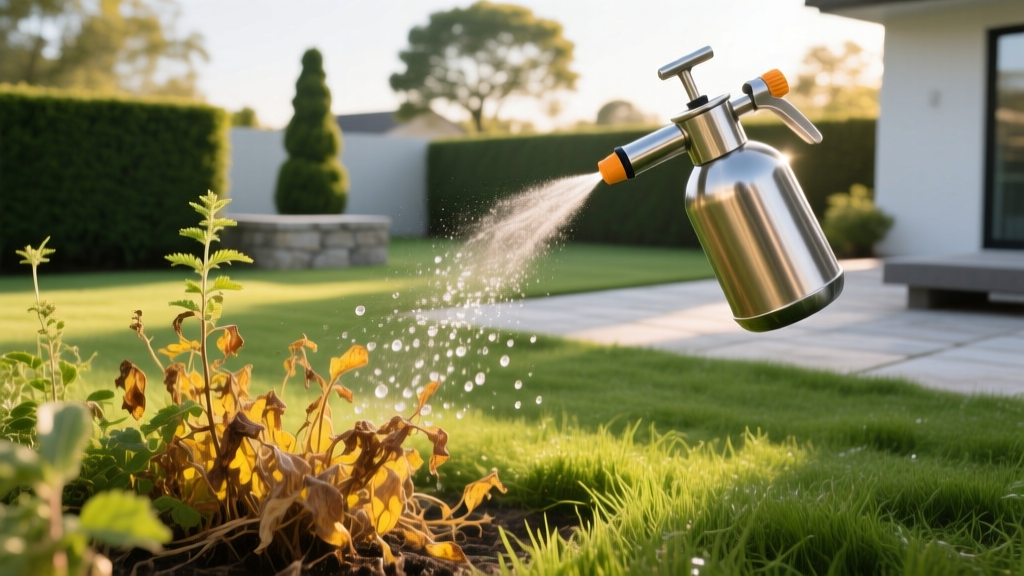
The Vinegar Salt Dawn Weed Killer Recipe: Efficacy and Soil Risks
The Viral Vinegar Salt Dawn Weed Killer Recipe: Exact Measurements
The internet is saturated with DIY herbicide tutorials, but the vinegar salt dawn weed killer recipe remains the most widely replicated. While this mixture is highly effective at burning down foliage on contact, it carries severe long-term consequences for soil health if misapplied. Before mixing a batch, it is critical to understand the exact chemical interactions, the appropriate use cases, and the permanent damage sodium can inflict on your landscape.
The Standard Recipe and 2026 Ingredient Costs
To create the standard 1-gallon batch, you need three specific components. Do not substitute apple cider vinegar or scented dish soaps, as the acidity and surfactant profiles will be incorrect.
- 1 Gallon White Vinegar (5% Acetic Acid): Standard grocery store white vinegar. Cost: ~$3.50 per gallon.
- 1 Cup Table Salt (Sodium Chloride): Standard iodized or non-iodized NaCl. Cost: ~$0.50 per cup.
- 1 Tablespoon Dawn Ultra (Original Blue): Acts as a non-ionic surfactant to break the water's surface tension. Cost: ~$0.15 per tablespoon.
Mixing Protocol: Pour the vinegar into a plastic or polyethylene pump sprayer. Add the salt and agitate vigorously until the sodium chloride is 100% dissolved—this takes roughly 3 to 5 minutes of shaking. Add the Dawn dish soap last to prevent excessive foaming. Total cost per gallon: approximately $4.15.
The Chemistry: How This Mixture Kills Weeds
This recipe relies on a three-pronged chemical attack, but it is strictly a contact herbicide, not a systemic one. According to Penn State Extension, acetic acid kills plant tissue by disrupting cell membranes, leading to rapid desiccation.
- Acetic Acid (The Burner): Lowers the pH on the leaf surface, causing the cell contents to leak out and the foliage to dry up within 12 to 24 hours.
- Sodium Chloride (The Desiccant): Creates severe osmotic stress, drawing water out of the plant cells and preventing moisture uptake.
- Dawn Surfactant (The Delivery Agent): Weeds have waxy cuticles that repel water. The alkyl ether sulfates in Dawn break this surface tension, allowing the acid and salt to coat and penetrate the leaf tissue.
⚠️ CRITICAL WARNING: The Salt Sterilization Effect
Sodium chloride does not break down or evaporate. When salt accumulates in the soil, it displaces essential calcium and magnesium ions. This destroys soil structure, causing clay particles to disperse and form a hard, impermeable crust. If applied to garden beds or lawn edges, the salt will sterilize the soil, making it nearly impossible for future plants, grass, or beneficial microbes to survive in that zone.
Application Zones: Where to Use (and Where to Avoid)
Because of the permanent soil damage caused by the salt component, the vinegar salt dawn weed killer recipe must be restricted to hardscapes and isolated zones where no future planting is planned.
| Application Zone | Safety Verdict | Reasoning |
|---|---|---|
| Driveway Cracks & Asphalt Seams | Highly Recommended | No soil ecology to disrupt; prevents root heaving in pavement. |
| Patio Pavers & Gravel Walkways | Recommended | Effective on surface weeds; salt washes away without harming subsoil if properly graded. |
| Lawn Edges & Borders | Never Apply | Salt will migrate via capillary action, killing turfgrass roots and causing brown, dead borders. |
| Vegetable Gardens & Flower Beds | Never Apply | Sodium toxicity will destroy soil microbiology and prevent future crop germination. |
| Near Tree Drip Lines | Never Apply | Feeder roots will absorb the sodium, leading to systemic tree toxicity and leaf scorch. |
The Soil-Safe Organic Alternative for Lawns and Garden Beds
If you need to kill weeds in your lawn, garden beds, or near desirable plants, you must eliminate the salt and upgrade the acetic acid concentration. Household 5% vinegar is too weak to kill mature weeds without salt. For soil-safe organic control, use horticultural vinegar.
The Soil-Safe Recipe (No Salt)
- 1 Gallon 20% or 30% Horticultural Vinegar: Brands like Harris 30% or Green Gobbler 20% cost between $25 and $35 per gallon in 2026. This higher concentration provides the burn power that salt was compensating for in the viral recipe.
- 2 oz D-Limonene (Orange Oil): Acts as a natural solvent to dissolve the waxy weed cuticle. Cost: ~$12 per bottle.
- 1 Tablespoon Liquid Castile Soap: Dr. Bronner’s or similar acts as an organic surfactant, keeping the mixture compliant with strict organic gardening standards.
Application Note: 20% and 30% acetic acid is highly corrosive and can cause severe chemical burns to human skin and eyes. You must wear nitrile gloves, long sleeves, and ANSI-approved safety goggles when mixing and spraying this alternative.
Troubleshooting Common Application Failures
Even when applied correctly, DIY herbicides have limitations. Here is why your application might have failed and how to correct it.
1. The Weeds Grew Back in Two Weeks
The Cause: Neither the vinegar/salt recipe nor the horticultural alternative is systemic. They only burn the foliage they touch. Broadleaf weeds like dandelions, plantain, and thistle have deep taproots. The root system survives the top-kill and pushes up new growth.
The Fix: You must spray the weed repeatedly every 5 to 7 days as soon as new leaves emerge. This starves the taproot of photosynthetic energy, eventually killing it. Alternatively, use a weeding fork to physically extract the taproot after the foliage has been burned and softened.
2. The Mixture Clogged the Sprayer Nozzle
The Cause: Undissolved salt crystals or congealed dish soap blocking the internal filter of the pump sprayer.
The Fix: Always dissolve the salt in a small amount of warm water before adding it to the cold vinegar in the sprayer. Flush the sprayer with clean warm water immediately after use to prevent soap scum buildup.
3. The Spray Beaded Up and Rolled Off the Leaves
The Cause: Insufficient surfactant, or applying the mixture to weeds with heavily pubescent (hairy) leaves like mullein or lamb's quarters.
The Fix: Add an extra half-tablespoon of Dawn or Castile soap. For hairy weeds, physical removal or a targeted flame weeder is vastly more effective than liquid contact herbicides.
Expert FAQ on Homemade Herbicides
Does the vinegar salt dawn weed killer recipe work on moss?
No. Moss lacks the vascular structure and broad leaf surface that acetic acid targets. While the salt will dehydrate moss temporarily, it will return as soon as moisture levels normalize. For moss, use ferrous sulfate (iron) treatments and correct the underlying soil compaction and shade issues.
Can I use Epsom salt instead of table salt in the recipe?
Epsom salt is magnesium sulfate. While it won't cause the severe sodium-induced soil crusting that table salt does, it is highly soluble and does not provide the same prolonged osmotic stress required to kill weed roots. Stick to table salt for hardscapes, or omit salt entirely for soil zones.
Is this mixture safe for pets once it dries?
Once the liquid has fully evaporated, the residual acetic acid is neutralized. However, the residual salt and dried soap on hardscapes can cause gastrointestinal distress if dogs lick the pavement. Keep pets off treated driveways and patios for at least 24 hours, and rinse the area with a hose the following day to push the salt into the drainage grade.
For more information on the environmental impact of acetic acid and soil salinity, consult the National Pesticide Information Center and the University of Minnesota Extension's guide on managing soil salinity.