
Pest Control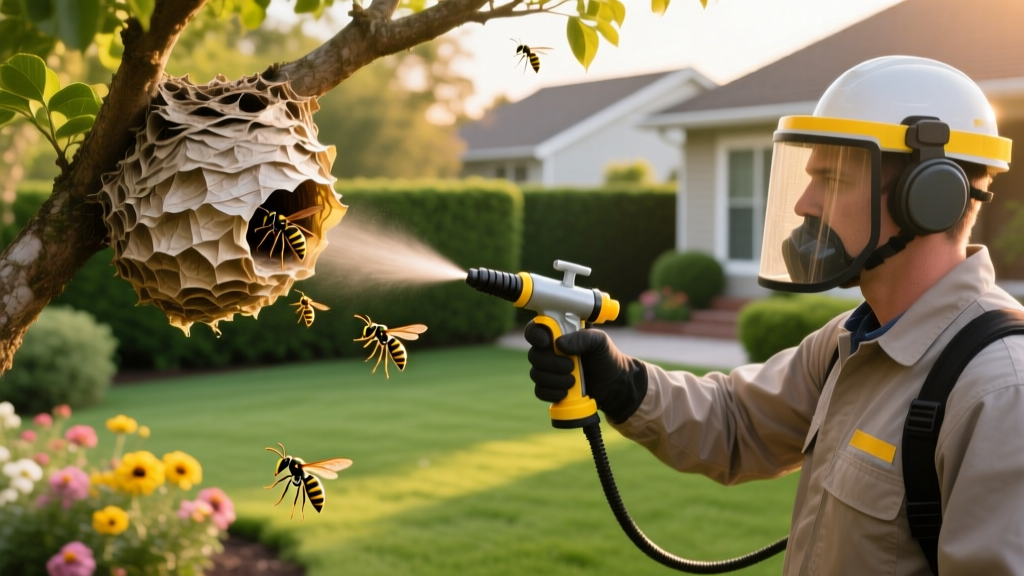
Wasp Nest Treatment Cost: 2026 Pricing & DIY vs Pro Guide
The financial impact of a wasp infestation depends entirely on the species, nest location, and whether you opt for over-the-counter aerosols or licensed extermination. In 2026, the national average for professional wasp nest removal ranges from $225 to $375, while DIY treatment costs between $15 and $85. However, choosing the wrong method for a specific species—such as using a standard aerosol on a subterranean yellowjacket colony—can result in severe stinging incidents and secondary structural damage, ultimately inflating your total expenses.
The 2026 Wasp Nest Treatment Cost Breakdown
Quick Cost Snapshot
- DIY Aerosol Sprays: $5 – $12 per can (14 oz to 20 oz)
- DIY Liquid Concentrates: $40 – $90 per bottle (yields 20+ gallons)
- Professional Standard Treatment: $225 – $375 (accessible aerial nests)
- Professional Void/Attic Treatment: $450 – $850+ (structural penetration)
- Nest Removal & Exclusion: $75 – $250 additional
DIY Wasp Control: Product Costs, Dosage, and Coverage
Over-the-counter and professional-grade concentrates offer high efficacy for accessible paper wasp and mud dauber nests. The key variable in DIY pricing is the active ingredient and its residual knockdown power. According to the EPA guidelines on managing stinging insects, applying treatments at dusk when wasps are least active and fully returned to the nest maximizes mortality and minimizes human exposure.
| Product Type | Brand / Model Example | Active Ingredient | Avg Cost | Coverage & Range |
|---|---|---|---|---|
| Ready-to-Use Aerosol | Spectracide Wasp & Hornet | D-phenothrin (0.02%) | $6.50 | 20-foot spray distance |
| Ready-to-Use Aerosol | Raid Wasp & Hornet | Cypermethrin (0.015%) | $7.25 | 22-foot spray distance |
| Pro Concentrate | Tempo SC Ultra | Beta-cyfluthrin (11.8%) | $42.00 (8 oz) | 0.135 oz/gal; covers 1,000 sq ft |
| Pro Concentrate | Syngenta Demand CS | Lambda-cyhalothrin (9.7%) | $48.00 (8 oz) | 0.4 oz/gal; covers 1,000 sq ft |
| Dusting Powder | Delta Dust | Deltamethrin (0.05%) | $24.00 (1 lb) | Void injection; 1 lb treats ~1,500 sq ft |
For active knockdown of established aerial nests using liquid concentrates like Tempo SC Ultra, increase the dosage to the maximum label rate of 0.27 fl oz per gallon of water. Apply using a pump sprayer with a pin-stream nozzle to penetrate the outer envelope of paper wasp nests. A single 8 oz bottle of concentrate, mixed at standard rates, yields roughly 24 gallons of finished solution, bringing the per-gallon cost down to approximately $1.75—making concentrates vastly more economical for perimeter prevention and multi-nest properties than buying individual aerosol cans.
Professional Extermination: Line-Item Pricing
Licensed pest control operators (PCOs) price wasp removal based on risk, accessibility, and species aggression. The National Pest Management Association notes that professionals carry specialized equipment, such as commercial-grade dust injectors and 15-foot telescopic dusters, which are mandatory for safely treating structural voids and high-elevation eaves.
Standard Aerial Nest Treatment ($225 - $375)
This tier covers visible nests located under eaves, on porch ceilings, or in low-hanging tree branches (under 15 feet). The PCO will typically apply a micro-encapsulated pyrethroid or a quick-knockdown aerosol. The price usually includes a 30-day warranty for that specific nest location.
Subterranean & Void Treatment ($350 - $550)
Ground-nesting yellowjackets or wasps nesting inside wall voids, attics, or chimneys require specialized dusts (like Delta Dust or Drione). The PCO must drill weep holes, inject insecticidal dust, and patch the entry points. Because the colony cannot be visually assessed, technicians often charge a premium for the diagnostic labor and the extended time required to ensure the queen is eliminated.
⚠️ Critical Warning: Bald-Faced Hornets & Yellowjackets
Never attempt DIY treatment on bald-faced hornets or large subterranean yellowjacket colonies. Bald-faced hornets build massive, multi-layered papier-mâché nests that can house up to 400 highly aggressive workers. Yellowjackets nest in the ground and will swarm aggressively when their entrance is disturbed. The University of Minnesota Extension explicitly advises hiring professionals for these species due to the high risk of anaphylaxis and the inadequacy of consumer-grade sprays against deep-soil colonies.
Decision Framework: DIY vs. Professional Intervention
Use this diagnostic matrix to determine the most cost-effective and safe route for your specific infestation.
- If the nest is smaller than a golf ball and located under an open eave: DIY. Purchase a $7 can of Raid or Spectracide. Spray at dusk from a safe distance. Total cost: $7.
- If the nest is the size of a grapefruit but fully visible and under 10 feet high: DIY with caution. Wear thick clothing, use a concentrated liquid pump sprayer for better penetration, or a long-range aerosol. Total cost: $15 - $45.
- If the wasps are entering and exiting a crack in your siding or soffit: Call a Pro. Do not seal the hole before treatment, or they will chew through the drywall into your living space. Total cost: $350 - $500.
- If the nest is in the ground and you see heavy traffic (10+ wasps per minute): Call a Pro. Ground nests can extend 3 feet deep and contain thousands of yellowjackets. Total cost: $350 - $550.
- If the nest is in an attic or chimney: Call a Pro. Requires dust injection, subsequent removal of the rotting nest mass to prevent secondary pest infestations (like carpet beetles), and structural exclusion. Total cost: $500 - $900+.
Hidden Cost Variables That Inflate Your Bill
When requesting quotes from pest control companies, be aware of line items that are often excluded from the base "wasp treatment" advertisement.
- Physical Nest Removal ($75 - $150): Killing the wasps does not remove the physical structure. If left in an attic, the residual honey (in bee/hornet hybrid cases) can melt and stain ceilings, and the dead insects will attract scavenger pests. Many PCOs charge extra to scrape and bag the nest post-treatment.
- Exclusion and Sealing ($100 - $300): After treating a void nest, the entry point must be sealed with copper mesh and expanding polyurethane foam. If the PCO simply sprays the hole, a new queen will likely colonize the exact same void the following spring.
- Emergency / Weekend Surcharges ($50 - $100): Wasps are most aggressive in late summer and early fall (August through October). If a nest is discovered near a high-traffic doorway during a weekend, expect an emergency dispatch fee.
- Multiple Nest Discounts: Conversely, if you have a perimeter infestation with 5+ small paper wasp nests, most companies will drop the per-nest cost from $250 down to $40-$60 per nest when treated during a single visit.
Frequently Asked Questions
Does home insurance cover wasp nest removal?
No. Standard homeowners insurance policies classify wasp, bee, and hornet infestations as routine home maintenance and pest control. Insurance will only cover damage if a secondary, covered peril occurs (e.g., a tree branch breaks under the weight of a massive nest and crushes your roof), but the pest removal itself is strictly out-of-pocket.
How long does it take for a treated wasp nest to die off?
Aerosol sprays containing D-phenothrin or Cypermethrin kill exposed workers on contact within minutes. However, for the entire colony to collapse—especially if using residual dusts in a wall void—it takes 48 to 72 hours. Foraging wasps return to the nest, track the insecticide inside, and spread it to the queen and larvae via trophallaxis (food sharing).
Is it cheaper to treat wasps in the winter?
Winter treatment is usually unnecessary and therefore not cheaper. In most North American climates, annual wasp colonies die off completely by late November. The original queen and all workers perish, and only newly mated queens survive by overwintering in protected crevices. The empty paper nests are abandoned and will never be reused the following year. The most cost-effective strategy is spring perimeter prevention using a micro-encapsulated concentrate like Demand CS to deter new queens from building.

