
Pest Control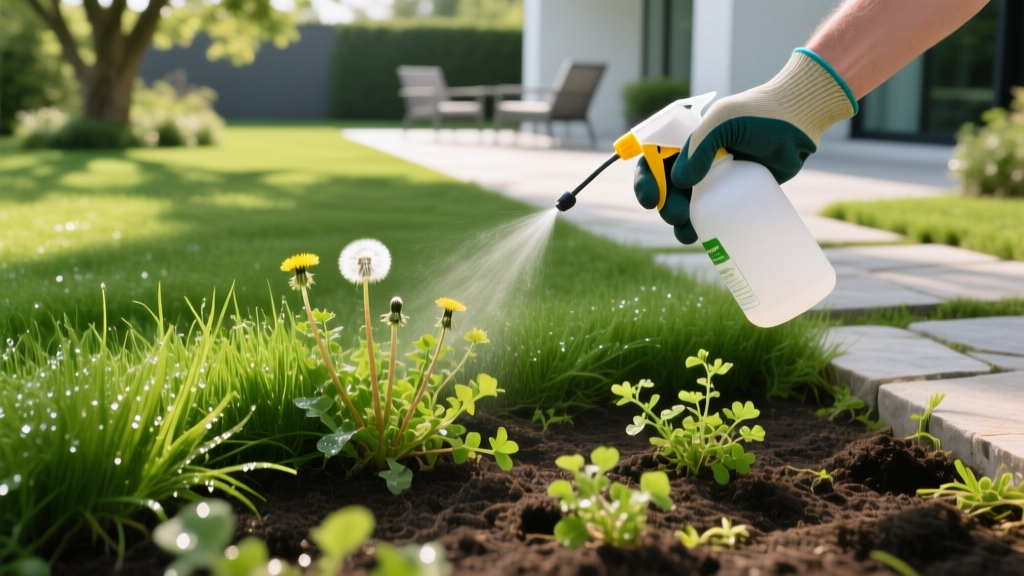
Weed Recognition Herbicide Tech: Protecting Soil Nutrition
The Hidden Cost of Broadcast Herbicides on Soil Nutrition
For decades, the standard approach to lawn pest control involved broadcast spraying non-selective or heavy pre-emergent herbicides. While effective at eliminating weeds, this blunt-force method severely disrupts soil nutrition dynamics. Broad-spectrum chemicals like glyphosate and heavy applications of prodiamine do not merely sit on the soil surface; they interact with the soil's Cation Exchange Capacity (CEC) and microbial biomass. According to soil health research highlighted by the USDA NRCS, repeated broadcast herbicide applications can suppress mycorrhizal fungi populations by up to 30%. These fungi are essential for extending the root system's reach, allowing turfgrass to absorb phosphorus and micronutrients from your fertilizer.
When you apply a $75 bag of premium nitrogen-phosphorus-potassium (N-P-K) fertilizer to a lawn with a compromised soil microbiome, the turf cannot efficiently uptake the nutrients. The result is fertilizer runoff, wasted money, and persistent weed pressure. This is where recognition herbicide technology bridges the gap between effective pest control and optimal soil nutrition.
Defining Recognition Herbicides: Biochemical vs. Optical
The term 'recognition herbicide' encompasses two distinct but complementary technologies that prevent collateral damage to your soil's nutritional framework. Understanding the difference is critical for designing a 2026 turf management program.
Biochemical vs. Optical Recognition
Biochemical Recognition: Formulated active ingredients that exploit physiological differences between weeds and turfgrass. The herbicide molecule 'recognizes' and binds only to specific plant enzymes (like ALS or HPPD) present in broadleaf weeds or specific grassy weeds, leaving the turf and surrounding soil microbes entirely unaffected.
Optical (AI) Recognition: Hardware-driven technology utilizing computer vision and machine learning. Smart sprayers scan the lawn in real-time, recognizing the unique leaf architecture of a weed versus turfgrass, and micro-dosing the herbicide exclusively onto the weed's foliage. This keeps up to 95% of the chemical off the soil.
How Targeted Weed Control Preserves Fertilizer Efficiency
Transitioning to recognition herbicides directly impacts your soil's nutritional retention. By minimizing soil contact with harsh chemicals, you preserve the nitrogen-fixing bacteria and phosphate-solubilizing microbes that act as the biological engines of your lawn. Penn State Extension notes that maintaining targeted weed management protocols prevents the degradation of soil organic matter, which is the primary reservoir for slow-release fertilizers.
| Application Method | Chemical Soil Load | Microbiome Impact | Fertilizer Uptake Efficiency |
|---|---|---|---|
| Broadcast Non-Selective | High (100% coverage) | Severe suppression of fungi/bacteria | Low (40-50% nutrient loss) |
| Broadcast Biochemical Selective | Moderate (Targeted chemistry) | Minimal (Microbes metabolize safely) | High (75-85% retention) |
| AI Optical Spot-Spray | Ultra-Low (Foliage only) | None (Soil remains untouched) | Maximum (90%+ retention) |
Top Recognition Herbicide Active Ingredients for Turf Health
If you are relying on biochemical recognition formulations, selecting the right active ingredient is paramount to preserving your recent fertilizer applications. Here are the top tier selective herbicides that offer high biochemical recognition without chelating essential soil micronutrients.
- Mesotrione (e.g., Tenacity): An HPPD inhibitor that 'recognizes' and blocks carotenoid biosynthesis in broadleaf weeds and crabgrass, causing them to bleach and die. It does not tie up soil calcium or magnesium. Dosage: 0.5 oz per 1,000 sq ft. Cost: ~$65 for an 8 oz bottle.
- Quinclorac (e.g., Drive XLR8): A synthetic auxin that mimics plant growth hormones, causing fatal overgrowth in target weeds like clover and dandelion. It breaks down rapidly in the soil profile, leaving nitrogen-fixing bacteria intact. Dosage: 0.75 oz per 1,000 sq ft. Cost: ~$90 per pint.
- Topramezone (e.g., Pylex): Similar to Mesotrione but specifically recognized as safe for warm-season turfgrasses like Bermuda and Zoysia, which can be sensitive to other bleaching herbicides. Dosage: 0.25 oz per 1,000 sq ft. Cost: ~$110 for 2.5 oz.
Step-by-Step: Integrating Recognition Herbicides with Fertilizer Schedules
Applying a recognition herbicide is only half the battle. To maximize soil nutrition, you must integrate the application into your broader fertilization calendar. Follow this framework to ensure chemical and nutritional synergy.
Step 1: Baseline Soil Testing and pH Calibration
Biochemical recognition herbicides are highly sensitive to soil pH. If your soil pH is above 7.5 (alkaline), herbicides like Mesotrione will persist in the soil matrix longer than intended, potentially causing root pruning in your turf and blocking the uptake of applied iron and manganese. Always conduct a soil test before application. If pH is high, apply elemental sulfur at a rate of 1 lb per 1,000 sq ft to lower the pH before introducing the herbicide.
Step 2: Nutrient Pairing and Chelation Avoidance
Never mix recognition herbicides with liquid fertilizers containing unchelated micronutrients in the same tank. The herbicide molecules can bind to free-floating zinc or copper ions, rendering both the weed control and the fertilizer ineffective. If you must apply a liquid fertilizer simultaneously, use amino-acid chelated micronutrients (like Fe-EDDHA) which are structurally stable and will not interfere with the herbicide's biochemical recognition receptors.
Warning: Insecticide Interactions
Avoid applying organophosphate or carbamate insecticides within 14 days of a recognition herbicide application. These insecticides inhibit the cytochrome P450 enzymes in turfgrass that are required to metabolize the herbicide. This failure to metabolize results in severe turf phytotoxicity and a massive die-off of beneficial soil nematodes.
Step 3: Post-Application Microbiome Rebound
Even with highly targeted optical or biochemical recognition herbicides, the physical act of treating the lawn causes minor stress to the turf's rhizosphere. To accelerate recovery and maximize the efficiency of your next granular fertilizer application, apply a liquid humic acid and kelp extract blend (such as N-EXT Humic12 or SeaHume) at a rate of 3 oz per 1,000 sq ft exactly 7 days after herbicide application. The humic substances will buffer any residual chemical activity in the soil, while the kelp cytokinins stimulate rapid root regeneration, ensuring the turf is primed to absorb your scheduled N-P-K fertilizer.

