
Pest Control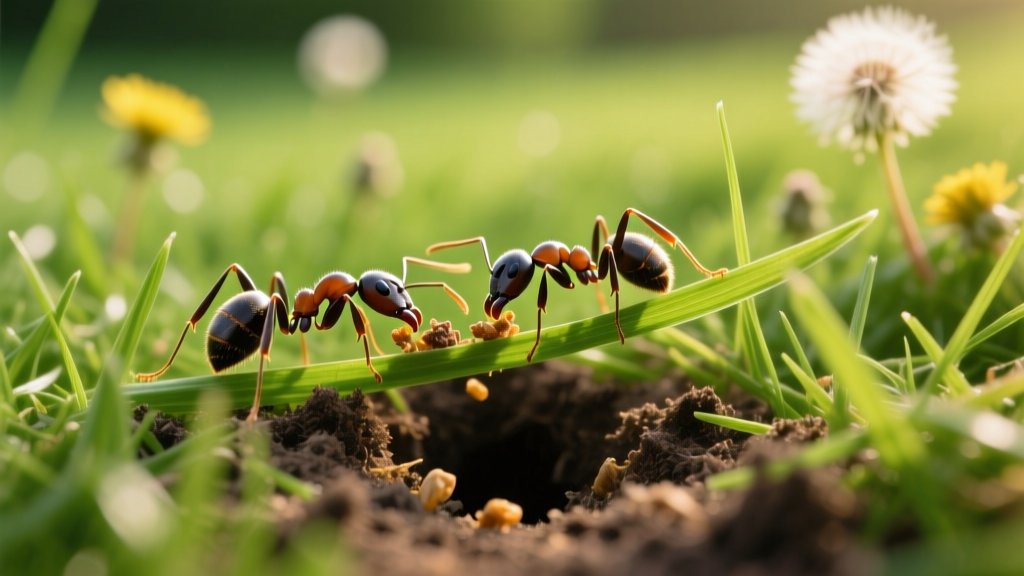
What Are Ants Good For? The Hidden Ecological Benefits in Your Lawn
The Keystone Species Beneath Your Feet
When a homeowner spots a mound of loose soil disrupting their manicured turf, the immediate instinct is often to reach for a broadcast granular insecticide. However, asking the question—what are ants good for?—reveals a complex ecological reality. Ants are keystone species in terrestrial ecosystems. While a few specific species warrant aggressive eradication, the vast majority of native lawn and garden ants provide critical, free ecosystem services that synthetic fertilizers and mechanical aeration struggle to replicate. Understanding the precise boundary between ecological ally and structural pest is the foundation of modern, sustainable lawn management.
Subterranean Engineers: Soil Aeration and Nutrient Cycling
In many North American ecosystems, ants move more soil annually than earthworms. Species like the pavement ant (Tetramorium immigrans) and the cornfield ant (Lasius alienus) construct extensive subterranean gallery networks that can extend 1 to 3 feet below the surface. These tunnels serve as permanent macropores, dramatically improving water infiltration and reducing surface runoff during heavy rainfall.
Beyond physical aeration, ants are master chemists of the soil profile. As they excavate, they bring nutrient-poor subsoil to the surface and carry organic matter deep underground. According to research highlighted by the University of Minnesota Extension, ant mounds frequently contain significantly higher concentrations of essential macronutrients than the surrounding soil. Specifically, the soil within and immediately surrounding active ant nests often exhibits:
- Phosphorus (P): Elevated by up to 30% due to the accumulation of insect exoskeletons and organic debris.
- Potassium (K): Increased concentrations from decomposing foraged plant material.
- Nitrogen (N): Enhanced nitrogen cycling driven by the microbial communities that thrive in the humid, temperature-stable environment of the ant nest.
Furthermore, the continuous turning of the soil prevents the severe compaction layers that choke turfgrass roots, particularly in high-clay soils where mechanical core aeration is only a temporary fix.
Apex Micro-Predators: Natural Pest Control
Ants are voracious, generalist predators. A single mature colony of native field ants can consume tens of thousands of protein-rich insects every week. In the context of lawn care, this makes them an invaluable biological control agent against several highly destructive turf pests.
Foraging worker ants actively hunt and consume the pupae of fleas, the larvae of chinch bugs, and the eggs of various turf-destroying moths. More importantly, ants are one of the primary natural predators of subterranean termites. By maintaining a robust population of native ground-foraging ants, you create a hostile environment for termite colonies attempting to establish satellite nests near your home's foundation. They also aggressively hunt lawn grubs (the larval stage of Japanese beetles and June bugs) when they are near the soil surface, reducing the need for preventative chemical grub control applications.
Myrmecochory: The Seed Dispersal Mutualism
If you cultivate native shade gardens or woodland borders, ants are essential for plant propagation. A botanical process known as myrmecochory relies entirely on ants for seed dispersal. Plants such as Trillium, bloodroot, Virginia bluebells, and native violets produce seeds equipped with an elaiosome—a small, lipid-rich, fleshy appendage.
Foraging ants mistake the elaiosome for an insect carcass and carry the seed deep into their underground nests. Once inside the protected, aerated, and nutrient-dense nest chamber, the ants consume the lipid appendage and leave the intact seed behind. This provides the seed with a perfect microclimate for germination, safe from surface-dwelling seed predators like mice and birds, and protected from extreme temperature fluctuations.
The 'Good Ant' Profile: Cornfield Ants (Lasius spp.)
Identification: Small (1/8 inch), pale yellow to dark brown.
Habitat: Open lawns, pastures, and garden beds.
Ecological Value: Exceptional soil aerators; aggressive predators of lawn grubs and flea pupae; rarely enter homes.
Management: Tolerate and protect. Do not apply broadcast insecticides to areas where they are active.
The Tipping Point: When Ants Become Pests
While the ecological benefits are vast, certain ant species cross the line from beneficial engineers to actionable threats. The University of California Integrated Pest Management program categorizes ant threats based on structural risk, human health, and ecological disruption. The primary culprits requiring intervention include:
| Species | Primary Threat | Lawn Impact | Action Required |
|---|---|---|---|
| Red Imported Fire Ant (Solenopsis invicta) | Painful stings; aggressive swarming; kills ground-nesting native bees. | Massive, hard-crusted mounds that smother turf and damage mower blades. | Aggressive eradication via broadcast baiting and individual mound treatments. |
| Carpenter Ants (Camponotus spp.) | Structural damage to moist, decaying wood in homes and retaining walls. | Minimal direct turf damage; presence indicates nearby rotting wood or stumps. | Locate and treat satellite colonies; remove moist wood debris from yard. |
| Argentine Ants (Linepithema humile) | Displaces native ant species; massive super-colonies; severe indoor invasions. | Protects honeydew-producing pests; disrupts local food webs. | Perimeter barrier treatments and targeted sweet-protein baiting. |
The Aphid Farming Problem: A Symbiotic Nightmare
One of the most frustrating behaviors of otherwise harmless native ants is their mutualistic relationship with aphids, scale insects, and mealybugs. These sap-sucking insects excrete a sugary waste product called honeydew, which is a highly prized carbohydrate source for ants.
To secure this food supply, ants will actively 'farm' these pests. They will physically attack and drive away natural aphid predators, such as ladybugs, lacewings, and parasitic wasps. In some cases, ants will even carry aphid eggs into their nests during the winter and transport the hatched nymphs back to tender plant stems in the spring. If you notice a sudden, unmanageable aphid infestation on your ornamental shrubs or fruit trees, look closely at the stems—you will likely see a highway of ants protecting the herd. Breaking this cycle requires treating the ants with targeted baits rather than simply spraying the aphids, as the ants will quickly repopulate the plant with new pests.
Targeted Management: Preserving the Ecology in 2026
Modern pest control has shifted away from broad-spectrum, broadcast applications of pyrethroids (like bifenthrin or permethrin) across the entire lawn. These chemicals indiscriminately wipe out beneficial ant populations, earthworms, and predatory beetles, creating an ecological vacuum that often leads to secondary pest outbreaks, such as spider mites or severe grub damage.
Instead, utilize a targeted approach when nuisance mounds appear in high-traffic areas:
- Identify the Species: Ensure you are not dealing with fire ants, which require a more aggressive protocol.
- Use Slow-Acting Baits: Products containing Indoxacarb (0.05%) or Fipronil (0.01%) are highly effective. The foraging workers consume the bait and carry it back to the colony, sharing it via trophallaxis (regurgitation) with the queen and brood. This eliminates the colony at its source without leaving toxic residues across the turf surface.
- Organic Alternatives: For mounds located away from the house foundation, drenching the specific mound with a solution of d-limonene (orange oil extract) or a Spinosad-based bait provides excellent control with minimal impact on surrounding soil biology.
- Timing is Critical: Apply baits in the late afternoon or early evening when foraging activity peaks and temperatures are below 85°F. Ants will not forage for bait during the heat of the day or if the ground is saturated from recent rainfall.
Frequently Asked Questions
Do ants eat grass seed?
Standard turfgrass seeds (like Kentucky bluegrass, fescue, or bermudagrass) do not possess the lipid-rich elaiosomes that attract ants. While harvester ants in arid regions may collect some grass seeds, common lawn ants generally ignore turfgrass seed. If you are seeing ants swarming newly seeded areas, they are likely hunting the small insects and fungus gnats that are attracted to the damp seedbed, not eating the seed itself.
Why do I see swarms of winged ants in my yard?
Winged ants (alates) are the reproductive members of the colony participating in a nuptial flight. This usually occurs in late spring or mid-summer following a heavy rain. While it looks alarming, it is a sign of a mature, healthy local ecosystem. The vast majority of these winged ants will be eaten by birds, dragonflies, and other insects within hours, and they pose no threat to your lawn or home.
Can ant mounds damage my lawnmower?
Yes. While the soil itself is fine, the hard, baked crust that forms on top of large, abandoned mounds (particularly those of fire ants or Allegheny mound ants) can dull mower blades or cause the deck to scalp the surrounding turf. It is best to kick over and disperse inactive mounds with a stiff rake before mowing.

