
Pest Control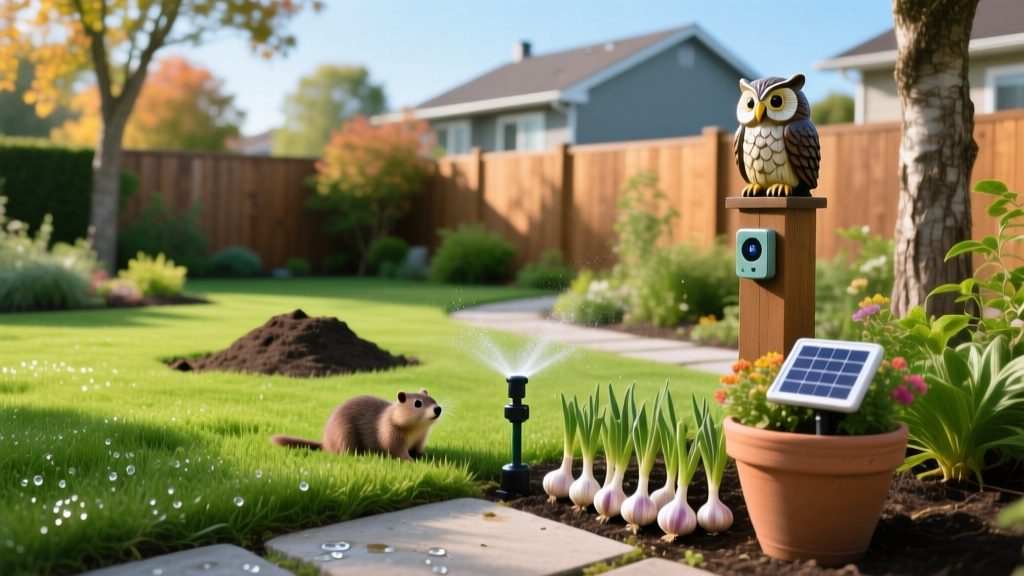
What Do Groundhogs Hate? 7 Proven Garden Deterrents
Groundhogs (Marmota monax), commonly known as woodchucks, are voracious herbivores capable of consuming up to 1.5 pounds of vegetation daily. For homeowners investing time and money into landscape design or vegetable gardens, a single groundhog can cause hundreds of dollars in damage in a matter of days. Rather than relying on lethal traps or broad-spectrum poisons that harm local ecosystems, modern pest management focuses on exploiting the natural biological aversions of these rodents. Understanding exactly what groundhogs hate allows you to create a multi-layered defense system that makes your property an unappealing environment for foraging and burrowing.
The Sensory Profile: Why Groundhogs Avoid Certain Stimuli
To effectively repel groundhogs, you must understand how they interact with their environment. Groundhogs rely heavily on their olfactory system and their highly sensitive vibrissae (whiskers). According to the Internet Center for Wildlife Damage Management, their sense of smell is their primary defense mechanism against predators and their main tool for locating tender shoots. When you introduce aggressive olfactory disruptors or subterranean vibrations, you overload their sensory input, triggering a flight response. They do not hate 'pain' in the way humans do, but they absolutely hate sensory confusion, the scent of apex predators, and physical barriers that impede their whiskers.
5 Scents and Tastes Groundhogs Absolutely Hate
Olfactory and gustatory deterrents are your first line of defense. However, groundhogs quickly habituate to weak scents, so concentration and rotation are critical.
1. Predator Urine (Coyote and Red Fox)
Groundhogs are hardwired to flee from the scent of canid predators. Commercially available coyote or red fox urine (such as Shake-Away Predator Urine or PredatorPee) triggers an instinctual avoidance response. Expect to pay between $25 and $35 for a 16-ounce bottle in 2026. Apply the urine to cotton scent tags and hang them 12 inches off the ground every 10 feet along your garden perimeter. Reapply every 14 days or immediately after heavy rainfall.
2. High-Concentration Capsaicin Sprays
Groundhogs hate the burning sensation of capsaicin on their sensitive nasal passages and tongues. Standard culinary pepper sprays are too weak. You need a commercial agricultural repellent with a minimum capsaicin concentration of 1.5%. Products like Miller Hot Sauce Animal Repellent or Bonide Hot Pepper Wax are highly effective. Spray directly on the foliage of vulnerable plants like beans, peas, and squash leaves.
3. Castor Oil Formulations
Castor oil does not kill groundhogs, but it coats the roots of the plants they eat, causing severe, non-lethal gastrointestinal distress. Furthermore, castor oil kills the soil grubs that groundhogs occasionally snack on, removing a secondary food source. Use a pressurized hose-end sprayer to apply castor oil formulations directly into their active burrow entrances and across the lawn.
4. Garlic and Thiram Fungicides
Thiram is a sulfur-based fungicide that tastes incredibly bitter to mammals. When combined with liquid garlic extract, it creates a dual-action taste and smell barrier. While primarily used for deer, it is highly effective against woodchucks when applied to the bark of young fruit trees and ornamental shrubs.
5. Ammonia-Soaked Rags (Short-Term Burrow Clearing)
If you have located an active burrow, soaking rags in household ammonia and stuffing them into the entrance creates an overwhelming olfactory shock. This is strictly a short-term tactic to force them to abandon a specific tunnel so you can seal it, not a long-term perimeter defense.
Pro Tip: The Rotation Rule
Groundhogs possess excellent spatial memory. If you use only coyote urine, a bold groundhog will eventually realize no actual predator is present. Rotate between capsaicin sprays and predator urine every 3 weeks to maintain the illusion of a dynamic, dangerous environment.
Groundhogs possess excellent spatial memory. If you use only coyote urine, a bold groundhog will eventually realize no actual predator is present. Rotate between capsaicin sprays and predator urine every 3 weeks to maintain the illusion of a dynamic, dangerous environment.
Physical and Environmental Aversions
When sensory deterrents fail, you must rely on what groundhogs hate physically: climbing, digging through hard mesh, and subterranean vibrations.
| Deterrent Method | Upfront Cost | Maintenance | Effectiveness |
|---|---|---|---|
| L-Footer Hardware Cloth | $45 - $90 | Low (Annual check) | Extremely High |
| Solar Sonic Spikes | $30 - $50 (per pair) | Medium (Battery/Solar) | Moderate |
| Electric Polywire Fence | $120 - $180 | High (Weed clearing) | High |
The 'L-Footer' Fencing Technique
Groundhogs are exceptional diggers but poor climbers. Standard chicken wire is useless because they will simply dig under it. The Humane Society recommends an 'L-footer' design using 19-gauge, 1/2-inch galvanized hardware cloth. Dig a trench 12 inches deep around your garden. Bury the bottom 12 inches of the mesh, but before backfilling, bend the bottom 12 inches outward (away from the garden) at a 90-degree angle to form an 'L'. When the groundhog digs at the fence line, their paws hit the horizontal mesh, and they do not know to back up and dig further away from the barrier.
Subterranean Vibrations
Groundhogs hate low-frequency vibrations that mimic the footfalls of large predators or the shifting of unstable soil. Solar-powered sonic spikes, such as the Victor Mole and Gopher Sonic Spikes, emit a pulsing buzz in the 400 to 1,000 Hz range every 30 seconds. While not a standalone cure, placing four spikes in a 100-foot grid creates a subterranean 'no-go' zone that pushes them toward the surface and out of your yard.
Botanical Deterrents: Plants That Repel Woodchucks
You can leverage plant biochemistry by surrounding your vulnerable crops with flora that groundhogs naturally avoid. Integrating these into your landscape design provides a passive, aesthetically pleasing barrier.
- Crown Imperial (Fritillaria imperialis): The bulbs of this striking plant emit a strong, skunky odor that groundhogs find repulsive. Plant them in a dense ring around your vegetable beds.
- Alliums and Ornamental Onions: The high sulfur content in allium foliage makes it unpalatable. Interplant these among your hostas and daylilies.
- Daffodils (Narcissus): Daffodils contain lycorine, an alkaloid that is toxic and highly bitter to mammals. Groundhogs will instinctively avoid digging near them.
- Lavender and Sage: The intense essential oils in these Mediterranean herbs overwhelm the groundhog's sensitive olfactory receptors.
What DOESN'T Work: Debunking Common Myths
Misinformation regarding groundhog control is rampant online. Relying on these debunked methods will waste your money and leave your garden exposed.
Warning: Avoid Mothballs
Using mothballs (naphthalene or paradichlorobenzene) outdoors is a violation of EPA regulations. They are highly toxic to soil, groundwater, pets, and children. Furthermore, groundhogs simply dig around them; the gas dissipates too quickly in open air to act as a burrow fumigant.
Using mothballs (naphthalene or paradichlorobenzene) outdoors is a violation of EPA regulations. They are highly toxic to soil, groundwater, pets, and children. Furthermore, groundhogs simply dig around them; the gas dissipates too quickly in open air to act as a burrow fumigant.
The Bubblegum Myth: A persistent internet myth claims that feeding groundhogs bubblegum will cause it to expand in their stomachs, killing them. According to Penn State Extension, this is entirely false. Groundhogs have robust digestive systems adapted to processing tough, fibrous bark and roots; a piece of sugar-based gum will pass through them without issue. In fact, the sugar content may actually attract them.
Step-by-Step Implementation Plan for Heavy Infestations
If you are dealing with an established family of groundhogs, follow this aggressive, multi-tiered protocol:
- Identify and Clear: Locate all active burrows (identified by fresh dirt mounds and 10-12 inch wide entrances). Clear all brush and tall grass within 3 feet of the entrances to remove their protective cover.
- Sensory Shock: Stuff ammonia-soaked rags into the active burrows at dusk when they are inside. Do this for three consecutive nights.
- Seal the Vacated Burrows: Once you confirm the burrow is empty (by placing a wad of newspaper in the entrance and checking if it is pushed out after 24 hours), fill the tunnel with crushed gravel and top it with heavy topsoil. Never use loose dirt, as they will easily re-dig it.
- Install the L-Footer: Trench and install the 19-gauge hardware cloth around your primary garden beds.
- Deploy Sonic Spikes: Install solar sonic spikes in the lawn areas between the burrows and the garden to prevent new tunneling.
Frequently Asked Questions
Do groundhogs hate the smell of human hair or urine?
While human scent can make groundhogs cautious initially, they quickly habituate to it, especially in suburban areas where human presence is constant. It is not a reliable long-term deterrent.
What time of day are groundhogs most active?
Groundhogs are diurnal. They are most active during the early morning (6:00 AM - 9:00 AM) and late afternoon (4:00 PM - 7:00 PM). Apply capsaicin sprays in the evening so the liquid has time to dry and adhere to the foliage before their morning feeding run.

