
Pest Control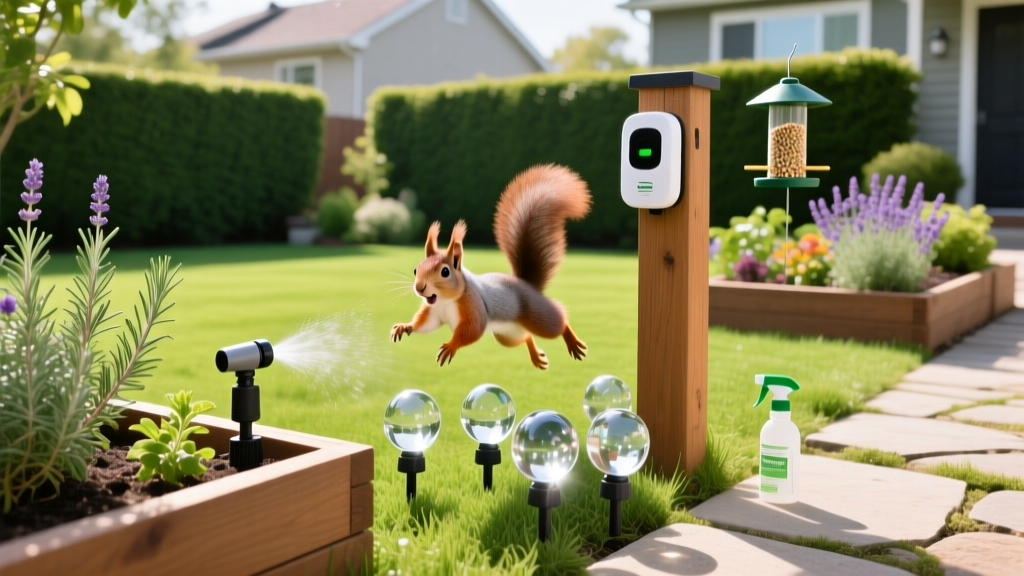
What Do Squirrels Hate? 12 Proven Yard & Garden Deterrents
The Science of Squirrel Aversion: Why Deterrents Actually Work
Understanding what squirrels hate requires looking past backyard folklore and examining their biology. Eastern gray squirrels (Sciurus carolinensis) and fox squirrels possess highly developed trigeminal nerve receptors, acute olfactory senses, and a neophobic (fear of new things) instinct that governs their foraging behavior. When homeowners ask what squirrels hate, the answer is not a single magic repellent, but a combination of sensory disruptions that trigger their innate survival mechanisms.
Squirrels are notorious for rapidly habituating to static threats. A plastic owl or a stationary ultrasonic emitter will deter a squirrel for roughly 48 to 72 hours before the animal realizes it poses no physical danger. True, long-term aversion relies on exploiting their physiological intolerances—specifically their reaction to capsaicin, their hatred of bitter seed hulls, and their instinctual fear of sudden, unpredictable physical threats.
Olfactory Deterrents: Scents Squirrels Absolutely Despise
A squirrel's sense of smell is roughly 20 times more sensitive than a human's, which they use to locate buried caches and detect predators. However, olfactory deterrents have a critical failure mode: environmental degradation. UV light and rainfall break down volatile organic compounds rapidly. To maintain efficacy, scent-based repellents must be reapplied every 3 to 5 days, or immediately after 0.5 inches of rainfall.
Warning: The Mothball Myth
Never use mothballs (naphthalene or paradichlorobenzene) outdoors. Not only do squirrels quickly habituate to the smell, but using mothballs outside of enclosed spaces violates EPA regulations. They leach toxic chemicals into your soil and groundwater, posing severe risks to pets, children, and local wildlife.
Never use mothballs (naphthalene or paradichlorobenzene) outdoors. Not only do squirrels quickly habituate to the smell, but using mothballs outside of enclosed spaces violates EPA regulations. They leach toxic chemicals into your soil and groundwater, posing severe risks to pets, children, and local wildlife.
High-Efficacy Scent Repellents
- Peppermint Oil (High Concentration): Squirrels hate the intense menthol vapor, which overwhelms their olfactory receptors. Standard 2% essential oil blends are too weak. Use a 10% to 15% peppermint oil solution mixed with water and a surfactant (like a drop of dish soap) to help it adhere to plant leaves.
- Predator Urine (Coyote/Fox): Products like Shake-Away Coyote Urine trigger an instinctual flight response. Apply granules along the perimeter of garden beds. Note: This works best in suburban edges near wooded areas; urban squirrels may lack the generational predator recognition to react strongly.
- Garlic and White Vinegar Emulsions: The sulfur compounds in garlic and the acetic acid in vinegar create an olfactory barrier that masks the scent of ripening vegetables and bulbs, effectively hiding your garden from their noses.
Gustatory & Physical Barriers: What They Hate to Touch and Eat
If a squirrel bypasses your scent deterrents, the next line of defense is making the physical environment and food sources deeply unpleasant to interact with. This is where understanding their physiological limitations provides a massive advantage.
The Capsaicin Advantage (TRPV1 Receptors)
Mammals, including squirrels, possess TRPV1 receptors in their mouths that bind to capsaicin, the active chemical in hot peppers, causing a severe burning sensation. Birds lack these receptors entirely. This biological divergence is the foundation of the most effective bird-feeder defense strategy available.
According to research cited by the Cornell Lab of Ornithology, treating birdseed with capsaicin does not deter avian visitors but renders the seed entirely unpalatable to squirrels. For maximum efficacy, use commercial hot pepper suet or coat seeds with a capsaicin extract measuring at least 30,000 Scoville Heat Units (SHU). Standard culinary cayenne powder (often around 30,000 to 50,000 SHU) works, but liquid extracts like Critter Ridder (which combines piperine, capsaicin, and oil of black pepper) adhere better to seed hulls and resist washing off in light rain.
Bitter Seed Alternatives
If you prefer not to use hot pepper, switch your feeders to seeds that squirrels inherently hate due to their bitter taste or difficult physical structure:
- Safflower Seed: The hard, bitter hull is highly unappealing to squirrels, yet beloved by cardinals and chickadees.
- Nyjer (Thistle) Seed: The seeds are incredibly tiny and lack the high fat-to-effort ratio squirrels seek. They will typically abandon a Nyjer feeder after a single investigation.
- White Proso Millet: Preferred by ground-feeding birds like juncos and sparrows, but largely ignored by tree squirrels.
Comparing Deterrent Methods: Cost, Durability, and Efficacy
Choosing the right deterrent requires balancing your budget with the level of squirrel pressure in your yard. Below is a decision matrix for the most common solutions.
| Deterrent Type | Specific Product / Material | Est. Cost | Maintenance / Lifespan | Efficacy Rating |
|---|---|---|---|---|
| Motion-Activated Sprinkler | Orbit 62100 Yard Enforcer | $75 - $90 | Requires 4x AA batteries; winterize in freezing temps | 9.5/10 (Highest) |
| Physical Baffle | 24-inch Polycarbonate Torpedo Baffle | $25 - $40 | Zero maintenance; lasts 5+ years | 9/10 (If mounted correctly) |
| Taste Repellent | Capsaicin Liquid Extract (30k+ SHU) | $15 - $25 | Reapply every 2 weeks or after heavy rain | 8.5/10 |
| Scent Repellent | Predator Urine Granules | $20 - $30 | Reapply every 3-5 days; degrades in UV | 6/10 (Variable) |
| Exclusion Mesh | 19-Gauge 1/2-inch Hardware Cloth | $35 per 25ft roll | Permanent; bury 6 inches deep | 10/10 (Absolute barrier) |
Auditory and Visual Threats: Exploiting Survival Instincts
Because squirrels are prey animals, they are hardwired to flee from sudden, unpredictable environmental changes. Static visual deterrents (like fake snakes or rubber owls) fail because squirrels are highly intelligent and will test the object until they realize it is inanimate.
The Motion-Activated Sprinkler Protocol
The single most effective non-lethal deterrent on the market is the motion-activated sprinkler, specifically models like the Orbit 62100 Yard Enforcer. These devices utilize passive infrared (PIR) sensors to detect the body heat and movement of a squirrel, triggering a sudden, loud burst of water.
The efficacy lies in the multi-sensory shock: the sudden mechanical click of the valve, the loud hiss of the water, and the physical spray. The Humane Society frequently recommends sudden water sprays as a primary, humane method for conditioning wildlife to avoid specific garden zones. To prevent habituation, move the sprinkler's position every 4 to 5 days and adjust the PIR sensitivity dial to ensure it triggers on mid-sized mammals, not just blowing leaves.
Step-by-Step Squirrel Exclusion for Raised Beds and Bulbs
If squirrels are digging up your newly planted tulip bulbs or raiding your raised vegetable beds, olfactory and auditory deterrents will not suffice. You must implement physical exclusion. Squirrels can chew through standard chicken wire (which is too flimsy) and plastic netting. Follow this exact protocol for permanent exclusion:
- Select the Right Mesh: Purchase 19-gauge galvanized steel hardware cloth with a 1/2-inch by 1/2-inch mesh grid. Do not use 1-inch mesh; young squirrels can compress their skulls to squeeze through.
- Cut and Frame: Cut the hardware cloth to fit the exact dimensions of your raised bed or planting trench, allowing a 2-inch overlap on the edges.
- Install at the Correct Depth: When protecting buried bulbs, lay the hardware cloth exactly 2 inches above the planted bulbs, then cover with soil. Squirrels will smell the bulbs, dig down, hit the impenetrable steel mesh, and abandon the effort.
- Secure the Perimeter: For raised beds, staple the hardware cloth to the interior wooden walls using heavy-duty galvanized fencing staples. Ensure there are no gaps larger than 1/4 inch at the corners.
- Remove Hazards: Once the plants sprout and push through the 1/2-inch mesh, the steel grid remains hidden under the foliage, protecting the root zone while allowing the plants to grow unimpeded.
Frequently Asked Questions
Do ultrasonic squirrel repellents actually work?
Independent studies, including those reviewed by the Penn State Extension, consistently show that ultrasonic devices have little to no long-term effect on squirrels. While the high-frequency noise may startle them initially, squirrels quickly habituate to the sound once they realize it is not accompanied by a physical threat. Save your money and invest in motion-activated sprinklers or physical baffles instead.
How far can a squirrel jump, and how does this affect feeder placement?
An adult Eastern gray squirrel can jump roughly 4 feet vertically and 8 to 10 feet horizontally from a stationary position. To properly squirrel-proof a bird feeder, it must be mounted on a smooth metal pole at least 5 feet off the ground, equipped with a torpedo baffle, and positioned at least 12 feet away from any roofline, tree branch, or fence that could serve as a launching pad.
What do squirrels hate the most in a vegetable garden?
In a vegetable garden, squirrels hate the physical sensation of walking on prickly or unstable surfaces. Laying down coarse mulch, sharp gravel, or specialized plastic spike mats (like cat scat mats) across the bare soil between your tomato and pepper plants creates a tactile barrier they despise. They prefer soft, easily diggable soil; removing that comfort is often enough to push them to a neighbor's yard.

