
Pest Control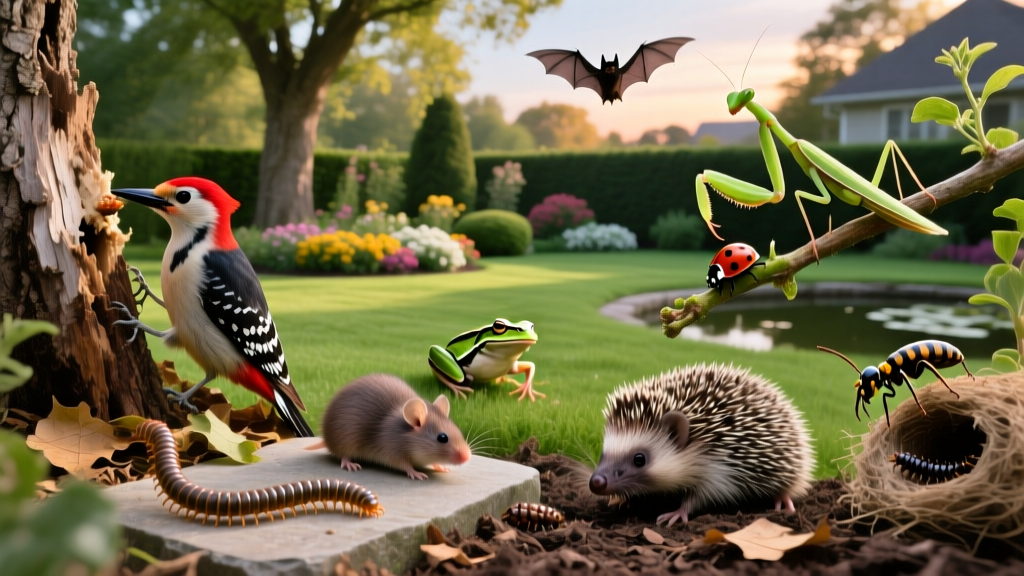
What Eats Termites? 12 Natural Predators for Yard Pest Control
The Termite Food Web: Nature's Checks and Balances
Subterranean and drywood termites cause over $5 billion in property damage annually across the United States. While homeowners often view these wood-destroying insects as an unstoppable force, they actually sit near the bottom of a complex soil and garden food web. If you are wondering what eats termites, the answer spans across insects, arachnids, birds, reptiles, and mammals. Understanding this biological hierarchy is critical for homeowners looking to integrate organic pest management into their landscaping.
However, biological control has specific limitations. According to the University of California Integrated Pest Management program, while natural predators consume millions of foraging workers and reproductive swarmers every year, they rarely eliminate a mature, deep-nested colony on their own. The key to leveraging these predators is using them as a perimeter defense and population suppression tool, rather than a standalone cure for an active structural infestation.
Invertebrate Predators: The Frontline Defense
The most aggressive and consistent termite predators are other invertebrates. These organisms share the same subterranean and wood-dwelling habitats as termites, leading to constant territorial warfare.
1. Ants (The Apex Termite Predators)
Ants are the single most significant natural enemy of termites. Species like the carpenter ant (Camponotus), big-headed ant (Pheidole), and various fire ants actively raid termite galleries. Ants possess superior chemical communication and physical armor, allowing them to overwhelm termite soldiers. Carpenter ants will often take over abandoned or weakened termite tunnels, effectively outcompeting them for wood resources.
2. Beneficial Nematodes
Microscopic roundworms are lethal to subterranean termites. Specifically, Steinernema feltiae and Heterorhabditis bacteriophora are parasitic nematodes that enter the termite's body through natural openings, releasing symbiotic bacteria that kill the host within 48 hours. You can purchase these commercially for $25 to $45 per 10 million nematodes. For maximum efficacy, apply them via hose-end sprayer at dusk when soil temperatures are between 55°F and 85°F, and water the soil immediately to wash them below the UV-penetrated surface layer.
3. Parasitoid Wasps and Flies
Certain parasitic wasps target termite reproductives (alates) during their mating flights. While they do not impact the worker caste hidden inside wood, they help regulate the establishment of new satellite colonies in your yard.
Invertebrate Predator Comparison Matrix
| Predator | Target Termite Stage | Habitat Zone | Actionable Attraction Method |
|---|---|---|---|
| Carpenter Ants | Workers, Soldiers | Dead wood, stumps | Leave non-structural decaying logs at property edges |
| Beneficial Nematodes | Subterranean Workers | Top 6 inches of soil | Apply commercially via hose-sprayer in early spring |
| Ground Beetles | Foraging Workers | Leaf litter, mulch | Maintain 2 inches of organic mulch away from foundations |
| Centipedes | Workers, Nymphs | Subsurface soil cracks | Reduce soil compaction; avoid broad-spectrum pesticides |
Vertebrate Hunters: Aerial and Ground Patrols
Vertebrates primarily target termites when they are most vulnerable: during swarming events (when reproductive alates take flight) or when foraging tunnels are accidentally exposed.
Avian Predators (Birds)
Woodpeckers, flickers, and sapsuckers use their beaks to breach infested dead trees and stumps, extracting worker termites and soldiers. During the spring and autumn swarming seasons, insectivorous birds become vital. Purple martins, barn swallows, and chimney swifts consume thousands of flying alates mid-air. A single purple martin can consume its body weight in insects daily, significantly reducing the number of successful mating pairs that land in your yard to start new colonies.
Reptiles and Amphibians
Skinks, geckos, anoles, and toads are opportunistic termite hunters. The green anole (Anolis carolinensis) is particularly effective in southern states, patrolling fence lines and exterior walls where drywood termites often push out their fecal pellets (frass). Toads and frogs station themselves near damp areas, such as AC condensation lines or leaky spigots, which are prime foraging zones for moisture-seeking subterranean termites.
Mammalian Foragers
While giant anteaters are not native to North America, smaller mammals play a role. Shrews, moles, and armadillos (in the southern U.S.) dig through the topsoil layer, consuming subterranean termite workers and destroying their shallow foraging mud tubes. While their digging can be a nuisance to manicured lawns, it is a clear indicator of high soil insect activity.
Landscaping Strategies to Encourage Termite Predators
To build a robust biological defense perimeter around your property, you must cultivate an environment that supports these predators. This requires shifting away from sterile, chemically dependent landscaping.
- Halt Broad-Spectrum Insecticides: Chemicals like bifenthrin, imidacloprid, and cyfluthrin do not discriminate. A soil drench applied for grub control will simultaneously wipe out beneficial nematodes, ground beetles, and foraging ants, leaving the ecological niche wide open for a termite resurgence.
- Install Specific Birdhousing: To attract swallows and martins for swarming season, install birdhouses with a precise 1.5-inch entrance hole, mounted 10 to 15 feet high on poles. Ensure the houses face east or southeast to catch morning warmth.
- Create Perimeter Habitat Zones: Maintain a 3-foot buffer of leaf litter, native grasses, and decaying wood at the far edges of your property. This draws carpenter ants and centipedes away from your home's foundation while providing them a habitat to breed.
- Manage Moisture Strategically: Fix grading issues and extend downspouts. Dry soil near the foundation deters termites, while directing that moisture to a designated rain garden encourages amphibians and nematodes in a controlled, non-structural area.
⚠️ Critical Warning: The Limits of Biological Control
Natural predators are excellent for population suppression and preventing new colonies from establishing. However, if you have an active, mature subterranean termite colony of 2 million+ insects feeding on your home's sill plate, predators cannot reach them. The Environmental Protection Agency notes that biological controls should be integrated with structural monitoring. If you observe active mud tubes on your foundation or hollow-sounding interior drywall, bypass biological methods and consult a licensed exterminator for targeted baiting (e.g., Sentricon) or liquid termiticide barriers.
Frequently Asked Questions
Do chickens eat termites?
Yes, chickens are aggressive foragers and will readily eat subterranean termite workers and swarmers if they scratch over an exposed gallery or mud tube. However, allowing chickens to scratch directly against your home's foundation can damage siding and expose soil, potentially creating new moisture traps that attract more termites.
Can I buy ants to release in my yard to eat termites?
No. Releasing non-native or commercially purchased ant colonies into your ecosystem is illegal in many jurisdictions and ecologically dangerous. Ants can become structural pests themselves (as in the case of carpenter ants) or disrupt local food webs. Focus on attracting native ant populations by reducing pesticide use and providing undisturbed habitat zones.
Do spiders eat termites?
Web-building spiders, such as orb weavers and cobweb spiders, catch flying termite alates during swarming events. Wolf spiders and jumping spiders will actively hunt termite workers on the ground surface. While helpful, spiders are generalist predators and cannot be relied upon to target termites exclusively.

