
Pest Control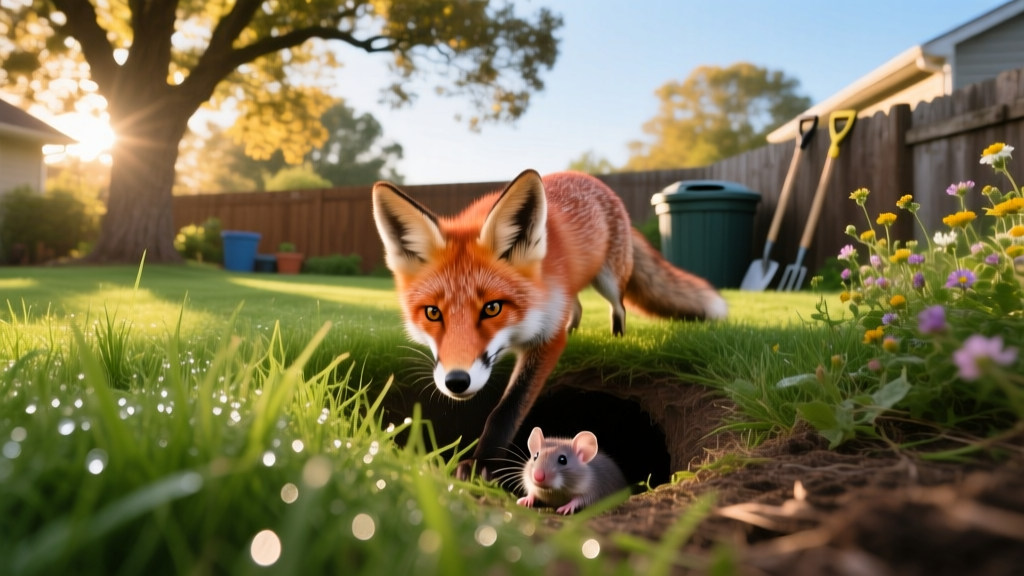
What Eats Voles? Top Natural Predators for Yard Control
The Biological Baseline: Understanding Vole Predation
Voles (Microtus species) are notorious for their subterranean runway networks, girdled tree bark, and decimated turfgrass roots. When homeowners ask, "what eats voles?", they are usually seeking a natural alternative to toxic rodenticides that risk secondary poisoning to pets and local wildlife. Biological control—leveraging the natural food web—is a cornerstone of Integrated Pest Management (IPM). However, relying solely on predators requires an understanding of predator-prey dynamics, habitat engineering, and the reproductive mathematics of vole populations.
According to the University of Minnesota Extension, voles do not hibernate and remain active year-round, making them a constant, high-calorie food source for a wide array of carnivores. Below is a comprehensive breakdown of the primary vole predators and how to recruit them to your property.
Apex Aerial Hunters: Birds of Prey
Raptors are the most efficient vole predators in open suburban and rural landscapes. Their keen eyesight and specialized hunting adaptations make them lethal to surface-foraging voles.
Barn Owls and Great Horned Owls
Barn owls (Tyto alba) are arguably the most effective biological rodent control agents in North America. A single breeding pair of barn owls, along with their owlets, can consume up to 3,000 rodents in a single breeding season. The Cornell Lab of Ornithology notes that barn owls possess asymmetrical ear placements, allowing them to triangulate the exact location of a vole moving under dense grass or even shallow snow cover in complete darkness.
Diurnal Raptors: Hawks and Falcons
While owls hunt at night, diurnal raptors patrol during the day. Red-tailed hawks, Cooper's hawks, and American kestrels frequently target voles. Kestrels, in particular, utilize a "hover-hunting" technique, suspending themselves in the air to scan for the subtle movements of voles darting between runway entrances.
Expert Tip: Raptor Perch Installation
To attract hunting hawks and kestrels, install T-shaped wooden perches in your yard. Use a 10-foot to 15-foot PVC or wooden pole with a 2-foot crossbar. Place these perches 50 to 100 feet apart near known vole runway networks to give raptors a strategic vantage point.
To attract hunting hawks and kestrels, install T-shaped wooden perches in your yard. Use a 10-foot to 15-foot PVC or wooden pole with a 2-foot crossbar. Place these perches 50 to 100 feet apart near known vole runway networks to give raptors a strategic vantage point.
Terrestrial Carnivores: Mammalian Vole Predators
Mammalian predators offer a different tactical advantage: many can pursue voles directly into their burrow systems. While foxes and coyotes will dig out vole nests, smaller mustelids are far more specialized for subterranean warfare.
| Predator | Hunting Method | Burrow Penetration | Yard Suitability |
|---|---|---|---|
| Long-tailed Weasel | Pursues voles inside 2-inch tunnels | High (Enters burrows) | Excellent (Rural/Suburban edges) |
| Red Fox | Acoustic location, digging, pouncing | Low (Digs from surface) | Moderate (Requires large acreage) |
| Domestic Cat | Ambush at runway intersections | None (Surface only) | High (But risks disease/toxoplasmosis) |
| Striped Skunk | Olfactory tracking, shallow digging | Moderate (Uncovers nests) | Low (Nuisance conflicts likely) |
Weasels (Mustela frenata) are the ultimate vole specialists. Their slender, tubular bodies allow them to navigate the exact 1.5 to 2-inch diameter tunnels that voles excavate. A single weasel can clear an entire localized vole colony by hunting them inside their own nests.
The Underbrush Specialists: Reptiles and Amphibians
Snakes are frequently misunderstood and unjustly killed by homeowners, yet they are vital components of the vole food web. The Eastern Garter Snake (Thamnophis sirtalis), Rat Snakes, and King Snakes actively patrol vole runways.
Warning: The Snake Eradication Fallacy
Killing non-venomous snakes in your yard directly correlates with increased vole and mouse populations. Snakes consume their body weight in rodents weekly during the active season. Removing them forces you to rely entirely on chemical or mechanical interventions.
Killing non-venomous snakes in your yard directly correlates with increased vole and mouse populations. Snakes consume their body weight in rodents weekly during the active season. Removing them forces you to rely entirely on chemical or mechanical interventions.
The Predator-Prey Threshold: Why Biological Control Fails During Irruptions
Understanding what eats voles is only half the battle; understanding population mathematics is the other. Voles possess an explosive reproductive rate. A female vole reaches sexual maturity at just 35 to 40 days old, has a gestation period of 21 days, and can produce 5 to 10 litters per year, with 3 to 6 pups per litter.
This creates a phenomenon known in ecology as a population irruption. During peak breeding months (April-May and September-October), vole reproduction outpaces the functional response limit of local predators. Predators become satiated; an owl can only eat so many voles per night, regardless of how many are available. Therefore, biological control maintains the baseline carrying capacity of your yard, but it cannot instantly eradicate an active spring infestation.
Integrating IPM During Population Spikes
When runway networks exceed 10 active tunnels per 100 square feet, you must supplement predators with mechanical control:
- Identify Active Runways: Look for fresh grass clippings and 1.5-inch wide cleared paths in the turf.
- Deploy Mechanical Traps: Use the Victor Easy Set Rat Trap or specialized Apple Sign Vole Traps. Bait with a small piece of apple or peanut butter mixed with oatmeal.
- Placement Protocol: Place traps perpendicular to the runway, with the trigger end facing the tunnel opening. Cover the trap with a flipped 5-gallon bucket or a specialized wooden trap cover to protect foraging birds and pets.
- Avoid Rodenticides: Never use anticoagulant baits (like Diphacinone or Brodifacoum) if you are actively encouraging raptors and snakes, as secondary poisoning will kill the very predators you are trying to recruit.
Habitat Engineering: Recruiting Predators to Your Lawn
To establish a permanent biological defense against voles, you must engineer your landscape to support predator territories. The Internet Center for Wildlife Damage Management emphasizes that habitat modification is the most sustainable long-term pest management strategy.
- Install Barn Owl Boxes: Construct or purchase a nesting box with interior dimensions of 12" W x 12" D x 15" H, featuring a 3-inch diameter entry hole. Mount it 12 to 15 feet high on a metal pole, facing east or southeast to catch the morning sun and avoid prevailing winds.
- Build Strategic Brush Piles: Leave 2-foot by 3-foot piles of loose branches and leaves near the edges of your property. These provide essential daytime cover for weasels, garter snakes, and ground-foraging birds.
- Maintain Buffer Zones: Keep grass mowed to a height of 2.5 to 3 inches in your primary lawn, but allow a 3-foot "wild buffer" at the perimeter of your property line. This buffer harbors the insect and small mammal prey base that sustains larger predators like foxes and hawks.
Frequently Asked Questions
Do coyotes eat voles?
Yes. While coyotes prefer larger prey like rabbits and deer fawns, they are opportunistic omnivores. During winter months or when larger prey is scarce, voles make up a significant percentage of a coyote's caloric intake, which they uncover by digging into shallow snow and turf.
Will getting a dog help get rid of voles?
Terrier breeds (like Jack Russell or Rat Terriers) have high prey drives and will actively dig up and kill voles. However, their digging can cause as much cosmetic damage to your turfgrass as the voles themselves, and they are susceptible to secondary poisoning if you have previously used rodenticides in the yard.
What time of day are voles most vulnerable to predators?
Voles are crepuscular, meaning they are most active at dawn and dusk. This makes them highly vulnerable to both diurnal raptors returning to their nests and nocturnal owls beginning their evening hunts. Surface-foraging voles are also heavily targeted by snakes during the mid-morning when reptiles are basking near warm runway entrances.

