
Pest Control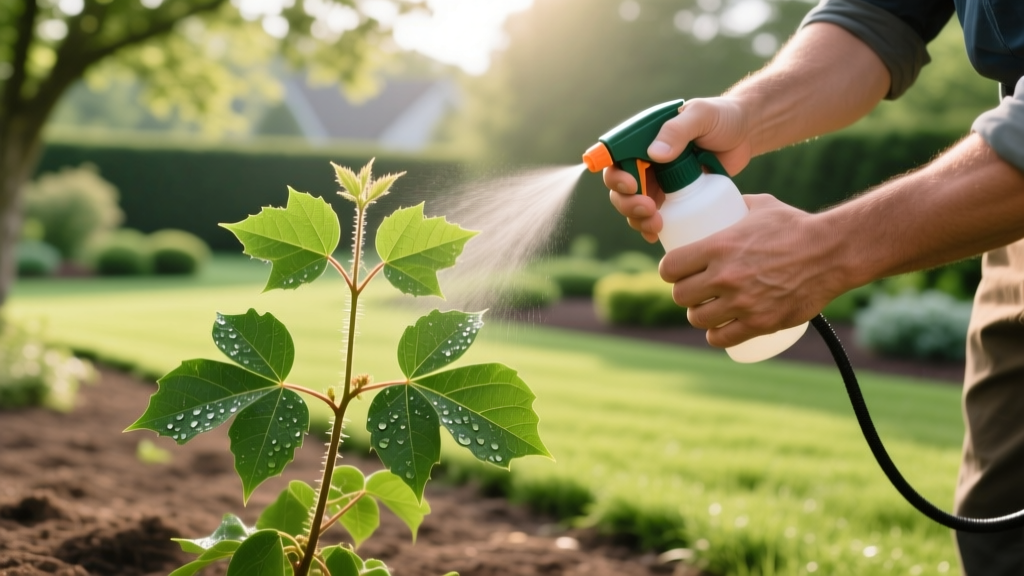
What Gets Rid of Poison Ivy: Proven Herbicides & Removal Tactics
The Biology of Eradication: Why Poison Ivy is Stubborn
To understand what gets rid of poison ivy (Toxicodendron radicans), you must first understand its survival mechanisms. Poison ivy propagates through two primary systems: an extensive underground rhizome network and above-ground creeping vines that root at the nodes. The entire plant contains urushiol, a highly stable organic allergen that causes contact dermatitis in roughly 85% of the human population. According to the Centers for Disease Control and Prevention (CDC), urushiol oil can remain active on dead vines, tools, and clothing for up to five years, making casual removal attempts highly hazardous.
Surface-level treatments like mowing, string trimming, or applying weak organic sprays only destroy the foliage. The subterranean rhizomes, which can extend 8 to 12 inches deep and spread horizontally for several feet, will simply push up new shoots within three to four weeks. Permanent eradication requires either translocating a systemic chemical directly into the root mass or physically extracting the entire rhizome network.
⚠️ CRITICAL SAFETY WARNING: Never burn poison ivy to clear land. Inhaling smoke containing vaporized urushiol particles causes severe, potentially fatal respiratory distress and internal lung blistering. Always use chemical, manual, or biological removal methods.
The Timing Factor: Why Spring Spraying Fails
The most common failure mode in poison ivy control is applying herbicide in the spring or early summer. During the spring growth flush, the plant's vascular system is pushing water and nutrients upward from the roots to support new leaf production. If you spray the leaves during this phase, the systemic herbicide struggles to translocate downward into the rhizomes, resulting in top-kill but complete root survival.
The optimal window for chemical application is late summer to early fall (August through October). During this period, the plant begins storing carbohydrates in its root system for winter dormancy. The downward sap flow pulls the systemic herbicide directly into the deepest rhizomes, ensuring a total kill. Penn State Extension confirms that fall applications of systemic herbicides yield significantly higher long-term eradication rates than spring applications.
Chemical Controls: Systemic Herbicides That Work
When evaluating what gets rid of poison ivy at the chemical level, two active ingredients dominate professional and high-end consumer applications: Triclopyr and Glyphosate. Broadleaf weed killers containing only 2,4-D or Dicamba are largely ineffective against mature woody vines.
| Active Ingredient | Product Examples | Application Rate | Root Kill Efficacy | Est. Cost (Mixed Gal) |
|---|---|---|---|---|
| Triclopyr (Ester) | Crossbow, Garlon 4, Ortho BrushClear | 2 to 4 oz per gallon of water + surfactant | Excellent (Penetrates waxy leaf cuticle) | $0.85 - $1.20 |
| Glyphosate (41%) | Roundup Pro, Ranger Pro | 3 to 6 oz per gallon of water | Good (Requires thorough coverage) | $0.40 - $0.65 |
| Triclopyr + 2,4-D | Crossbow Specialty Herbicide | 1.5 to 4 oz per gallon of water | Superior (Synergistic woody stem kill) | $1.10 - $1.50 |
The Cut-Stump Method for Thick Vines
For mature poison ivy vines climbing trees with stem diameters exceeding half an inch, foliar spraying is inefficient and risks damaging the host tree's canopy. Instead, use the cut-stump technique:
- Use loppers or a pruning saw to cut the vine stem 2 inches above the soil line.
- Within 60 seconds of cutting, paint the exposed fresh stump with an undiluted 41% glyphosate solution or a 20% triclopyr ester solution using a disposable foam brush.
- The plant's immediate vascular response will draw the concentrated chemical straight into the root crown, preventing resprouting.
- Leave the upper vine attached to the tree; it will die, dry out, and eventually fall off naturally over the winter.
Manual Extraction: The "Smother and Pull" Protocol
If you are managing an area near edible gardens, water sources, or children's play zones where chemical herbicides are restricted, manual extraction is the only viable permanent solution. This requires strict adherence to personal protective equipment (PPE) protocols.
💡 PPE PRO TIP: Do not use standard latex or thin vinyl gloves. Urushiol oil is a lipid-soluble resin that easily penetrates latex and vinyl at the molecular level. You must use heavy-duty nitrile or neoprene gloves (minimum 8 mil thickness). Wear a disposable Tyvek suit ($12-$18 per suit) over your clothing, and seal the cuffs of the suit to your gloves using duct tape.
Step-by-Step Physical Removal
- Preparation: Water the target area heavily the night before. Moist soil reduces resistance and prevents the rhizomes from snapping during extraction.
- Trenching: Using a sharp trenching shovel or a mattock, dig a perimeter trench 8 to 10 inches deep around the poison ivy patch to sever lateral runners.
- Leverage Extraction: Insert a digging bar or a heavy-duty garden fork beneath the central root crown. Pry upward slowly to lift the entire root mass intact. Snapped rhizome fragments left in the soil will generate new plants.
- Containment: Immediately place all extracted plant material, including soil clinging to the roots, into heavy-duty contractor trash bags (3 mil thickness). Do not use standard kitchen bags, as woody stems will puncture them.
- Decontamination: While still wearing gloves, wash your gloved hands with a grease-cutting dish soap (like Dawn) or a specialized urushiol-removing cleanser like Tecnu before removing the gloves. Remove the Tyvek suit by peeling it off inside-out and place it directly into the trash bag with the plants.
Organic and Natural Alternatives: Managing Expectations
Many homeowners seek natural remedies, but it is vital to understand the biological limitations of organic treatments against deep-rooted woody perennials.
- Horticultural Vinegar (20% to 30% Acetic Acid): While this will rapidly desiccate and burn off the foliage of young poison ivy seedlings, it lacks any systemic translocation properties. It will not kill the rhizomes. Expect 100% regrowth within a month. Repeated applications every two weeks can eventually exhaust the root system, but this requires immense labor and carries the risk of severely acidifying your topsoil.
- Boiling Water: Pouring boiling water over the crown will cook the surface roots and foliage, but the thermal energy dissipates before reaching the deeper rhizomes. It is only effective on brand-new seedlings.
- Targeted Goat Grazing: Goats are immune to urushiol and will aggressively consume poison ivy, preferring it over standard grasses. Renting a goat herd (typically 4 to 6 goats per acre) costs between $400 and $800 per day. While they will strip the foliage and weaken the plants, a single grazing session will not eradicate the roots. You must keep the goats on the property for several weeks or bring them back multiple times throughout the season to continuously defoliate the regrowth until the roots starve.
Post-Eradication Soil and Lawn Recovery
Once the poison ivy is confirmed dead (wait 14 to 21 days after chemical application for complete browning, or immediately after physical extraction), you must rehabilitate the soil to prevent invasive weeds from colonizing the bare patches.
Manual extraction often leaves the soil highly disturbed and prone to erosion. Rake the area smooth and apply a layer of compost to restore soil structure. If you used a glyphosate-based herbicide, the chemical binds tightly to soil particles and becomes inert within a few days, allowing you to safely overseed with a competitive turfgrass like Tall Fescue or Kentucky Bluegrass within one week. If you used Triclopyr, be aware that it has a longer soil residual half-life (up to 90 days in some soil types). In Triclopyr-treated zones, delay planting broadleaf clovers or sensitive ornamental shrubs for at least three months, though standard turfgrass seeds can usually be sown after 30 days.

