
Pest Control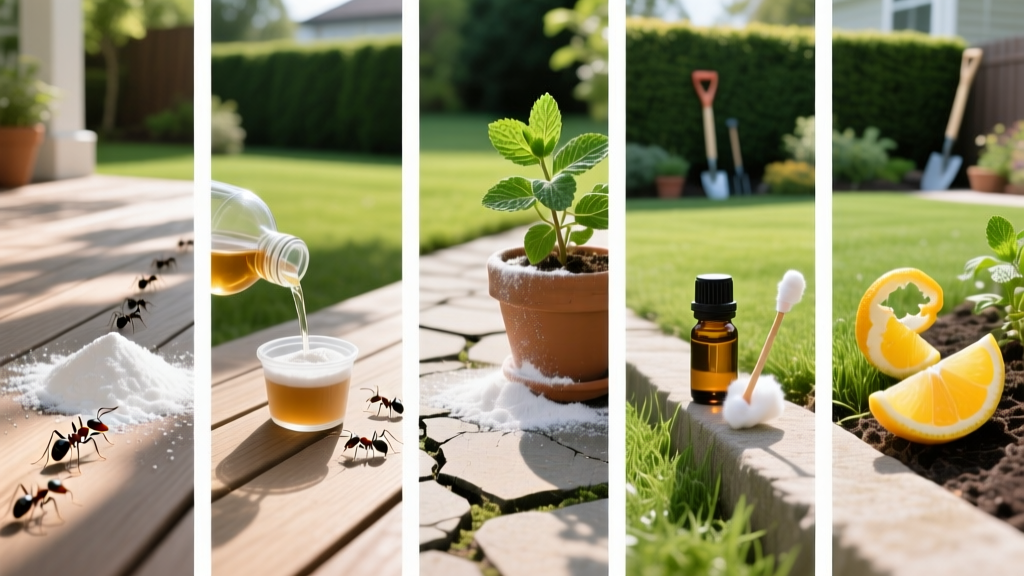
What Household Product Kills Ants? 5 Proven DIY Remedies
The Biology of Ant Eradication: Why Most DIY Methods Fail
When homeowners search for what household product kills ants, they are typically met with a barrage of anecdotal remedies ranging from white vinegar to cinnamon. However, from an entomological perspective, the vast majority of these pantry staples are merely repellents, not lethal agents. They disrupt pheromone trails or create olfactory barriers, but they do nothing to eliminate the queen or the brood hidden within the colony.
To achieve total colony collapse using household items, you must leverage compounds that either cause fatal desiccation, break down the insect's respiratory system, or act as slow-acting metabolic poisons. According to the University of California Statewide Integrated Pest Management Program, successful ant management requires exploiting the colony's foraging behavior and social feeding mechanisms, rather than simply killing the visible scout ants.
The Trophallaxis Factor: Ants practice trophallaxis—the mutual exchange of regurgitated food. If you use a fast-acting contact killer (like bleach or standard rubbing alcohol), the scout dies before returning to the nest. The colony simply detects the danger, seals the entry point, and routes foragers elsewhere. To kill the colony, the active ingredient must be slow-acting, allowing the worker to share the poisoned meal with the larvae and the queen.
3 Household Products That Actually Kill Ant Colonies
1. Borax (Sodium Tetraborate) Liquid Baits
Borax is a naturally occurring mineral salt commonly found in household laundry boosters (such as 20 Mule Team Borax). When ingested by ants, boric acid disrupts their digestive system and interferes with their metabolism. Because it acts slowly (typically taking 24 to 48 hours to kill), it is the premier household ingredient for colony-wide eradication.
Exact Liquid Bait Recipe:
- 1/2 teaspoon Borax powder
- 8 teaspoons granulated white sugar
- 1 cup warm water (to ensure complete dissolution)
Application Protocol: Soak cotton balls in the solution and place them in small, shallow containers (like bottle caps) near ant trails. Do not kill the ants you see drinking the bait; they are your delivery mechanism. Within 5 to 7 days, foraging activity should drop by over 90%.
2. Food-Grade Diatomaceous Earth (DE)
Diatomaceous earth is composed of the fossilized remains of diatoms, a type of hard-shelled algae. Under a microscope, DE particles look like shards of glass. When ants crawl across it, the microscopic sharp edges lacerate the waxy epicuticle of their exoskeleton. This causes the ants to lose their ability to retain moisture, leading to fatal desiccation within 12 to 24 hours.
Application Specifics: You must use Food-Grade DE, not the pool-grade variety (which is chemically treated and toxic to mammals). Apply a continuous, unbroken line roughly 1/8-inch thick along baseboards, window sills, and foundation cracks. DE is strictly a mechanical killer and loses its efficacy the moment it gets wet. If applied outdoors, reapply immediately after rain or heavy morning dew.
3. Liquid Dish Soap (Surfactant Spray)
While dish soap will not eradicate a hidden colony, it is the most effective household contact killer for immediate swarm control. Ants breathe through spiracles (tiny holes along their abdomen). The surfactants in liquid dish soap (such as Dawn Ultra) reduce the surface tension of water and strip the protective lipid layer off the ant's exoskeleton. This allows the soapy water to flood the spiracles, causing rapid asphyxiation.
Exact Contact Spray Recipe:
- 2 tablespoons liquid dish soap (Dawn Ultra or equivalent heavy-duty degreaser)
- 16 ounces of water
- Optional: 1 tablespoon of isopropyl alcohol to accelerate cuticle breakdown
Spray directly onto visible ants and their immediate trails. Afterward, wipe the area with a damp cloth to remove the residual pheromone trail that guides other ants to the same location.
Household Repellents vs. Lethal Killers: A Comparison Matrix
Many homeowners confuse repellents with killers. The University of Minnesota Extension notes that while essential oils and acidic solutions deter foraging, they leave the reproductive core of the colony entirely unharmed. Use the table below to set realistic expectations for your pantry items.
| Household Product | Mechanism of Action | Kills Colony? | Best Use Case |
|---|---|---|---|
| White Vinegar (50/50 mix) | Acidic disruption of pheromone trails | No (Repellent) | Post-treatment cleanup of foraging paths |
| Cinnamon / Cayenne | Olfactory and physical irritation | No (Repellent) | Temporary barrier for potted plants |
| Citrus Peels / Limonene | Solvent action on exoskeleton (weak) | Rarely | Deterrent near garbage receptacles |
| Borax & Sugar Bait | Metabolic and digestive disruption | Yes | Eliminating sugar-feeding colonies indoors |
| Diatomaceous Earth | Mechanical laceration and desiccation | Yes (Contact) | Perimeter defense and dry indoor cracks |
Troubleshooting: Why Your DIY Bait is Being Ignored
A common failure mode when using borax baits is sudden ant aversion. If ants swarm the bait on day one but ignore it on day three, the issue is not the borax concentration—it is the colony's shifting nutritional requirements.
The Carbohydrate vs. Protein Cycle
Ant colonies alter their foraging preferences based on the queen's reproductive cycle and the developmental stage of the brood. In the spring and early summer, colonies prioritize proteins and fats to feed developing larvae. In late summer and fall, they switch to carbohydrates (sugars) to store energy for winter.
The Fix: If your sugar/borax bait is ignored, pivot to a protein-based bait. Mix 1/2 teaspoon of Borax with 2 tablespoons of peanut butter or bacon grease. Place this near the trails. Alternating between sweet and savory baits ensures you hit the colony's current nutritional vulnerability.
Lawn, Garden, and Pet Safety Considerations
While household products are generally safer than synthetic pyrethroids, they are not without ecological impact. Borax contains high levels of sodium and boron. If spilled in large quantities on your lawn, it will cause localized soil toxicity, raising the pH and burning grass roots. Always use bait stations (like taped-down jar lids) rather than broadcasting borax directly onto soil or garden beds.
Furthermore, while Diatomaceous Earth is non-toxic to dogs and cats when ingested, inhaling the fine silica dust can cause respiratory irritation for both pets and humans. When applying DE outdoors, wear an N95 mask, apply it on windless days, and avoid treating blooming flowers where native pollinators like bees and butterflies actively forage. Target only the structural cracks and foundation perimeters where pest ants travel.

