
Pest Control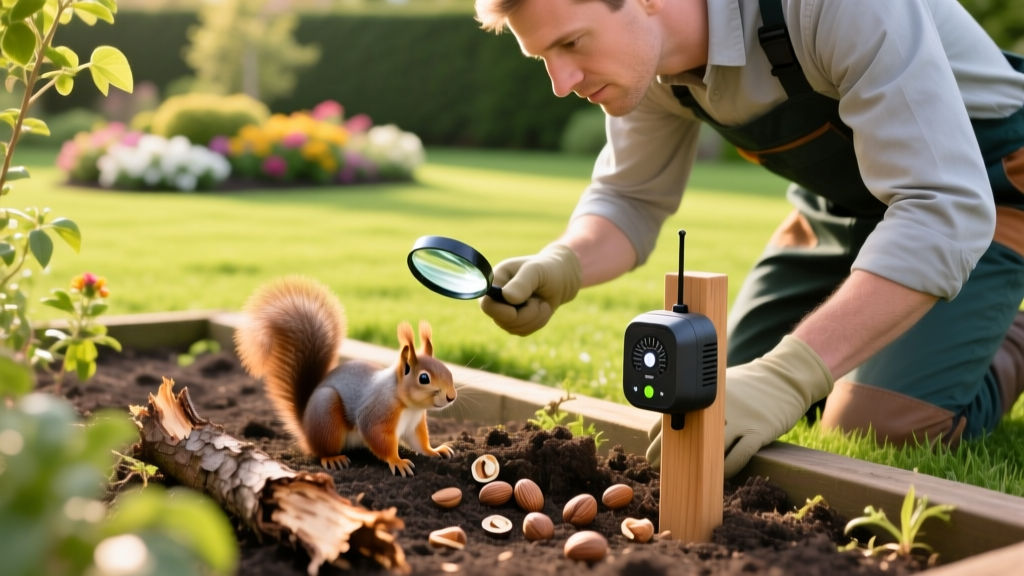
What Keeps Squirrels Away From Gardens? Proven Deterrents & Failures
The Reality of Squirrel Damage in Residential Yards
Eastern gray squirrels (Sciurus carolinensis) and fox squirrels (Sciurus niger) are notorious for decimating spring bulb plantings, stripping bark from ornamental trees, and raiding bird feeders. A single squirrel can dig up dozens of freshly planted crocus or tulip bulbs in a single afternoon. When homeowners ask what keeps squirrels away, the answer is rarely a single silver bullet. Effective deterrence requires a layered approach combining physical exclusion, behavioral disruption, and strategic plant selection.
According to the Internet Center for Wildlife Damage Management, squirrels possess incredible physical capabilities that render many cheap deterrents useless. They can jump vertically up to 4 feet, horizontally up to 10 feet, and drop from heights of 20 feet without injury. Understanding these biomechanical limits is the first step in designing a squirrel-proof landscape.
Physical Exclusion: The Only 100% Guaranteed Method
When evaluating what keeps squirrels away permanently, physical barriers are the only solution with a near-zero failure rate. Scent and taste repellents degrade, but steel does not.
Garden Bed Protection: The L-Shaped Apron Technique
Simply laying chicken wire over soil is insufficient; squirrels will easily pull it aside or dig under it. To protect bulb beds and vegetable gardens, use 19-gauge, 1/2-inch galvanized steel hardware cloth. Do not use chicken wire (poultry netting), as the hexagonal gaps are too large and the wire is too flimsy to stop determined gnawing.
- Trenching: Dig a 6-inch deep trench around the perimeter of the garden bed.
- The Apron: Bend the bottom 12 inches of the hardware cloth at a 90-degree angle outward (away from the bed) to create an 'L' shape.
- Burial: Bury the vertical section in the trench and cover the horizontal apron with 2 inches of soil and mulch.
When a squirrel attempts to dig at the base of the fence, its paws hit the horizontal steel apron, preventing access. A 25-foot roll of 19-gauge hardware cloth typically costs between $25 and $35, making it a highly cost-effective long-term investment.
Tree and Pole Baffles
To protect bird feeders or fruit trees, install a cylindrical or cone-shaped baffle. The baffle must be at least 24 inches in diameter and mounted minimum 6 feet above the ground. Because squirrels can leap 4 to 5 feet vertically, a baffle placed at 4 feet will easily be bypassed. Metal baffles (aluminum or galvanized steel) priced around $30 to $50 outlast plastic models, which become brittle from UV exposure and can be chewed through within a single season.
Taste and Scent Repellents: Efficacy and Limitations
Chemical repellents can protect plants that cannot be fenced, but they require strict adherence to reapplication schedules. The Penn State Extension notes that repellents are most effective when applied before severe damage begins, as squirrels will endure unpleasant tastes if they are already habituated to a food source.
| Active Ingredient | Mode of Action | Rainfastness | Reapplication Interval | Avg. Cost per 1,000 sq ft |
|---|---|---|---|---|
| Capsaicin (Hot Pepper) | Irritates oral receptors | Low (Washes off) | 7-10 days or after rain | $4.00 - $6.00 |
| Thiram (Fungicide) | Bitter taste / odor | High | 21-30 days | $8.00 - $12.00 |
| Putrescent Whole Egg Solids | Predator/decay scent | Medium | 14-21 days | $5.00 - $7.00 |
| Coyote/Fox Urine | Fear response (Kairomones) | Very Low | 3-5 days | $15.00 - $20.00 |
Pro Tip: For capsaicin-based sprays like Bonide Hot Pepper Wax, add a few drops of an organic surfactant (like mild liquid castile soap) to the mixture. This breaks the surface tension of the water, allowing the spicy coating to adhere to the waxy cuticle of leaves and bulbs rather than beading up and rolling off.
Motion-Activated Technology: Water vs. Ultrasonic
The market is flooded with electronic deterrents, but their efficacy varies wildly based on the underlying technology.
Motion-Activated Sprinklers
Devices like the Orbit 62100 Yard Enforcer (retailing around $85) use passive infrared (PIR) sensors to detect body heat and movement, triggering a sharp, 5-second burst of water. This is highly effective because the physical shock of cold water triggers a squirrel's flight response without causing harm. To maximize effectiveness, move the sprinkler every 3 to 4 days to prevent the squirrels from mapping the blind spots in the sensor's 120-degree field of view.
Ultrasonic Sound Emitters
Ultrasonic devices emit high-frequency sound waves (typically 20kHz to 65kHz) intended to cause auditory discomfort. Field studies consistently show poor long-term results. High-frequency sound waves degrade rapidly over distance and are easily blocked by dense foliage, fences, and patio furniture. Furthermore, squirrels habituate to the noise within 7 to 14 days once they realize the sound is not paired with a physical threat.
⚠️ Common Deterrent Myths to Avoid
- Mothballs (Naphthalene): Using mothballs outdoors is illegal in many jurisdictions, highly toxic to pets and children, and completely ineffective against squirrels in open-air environments.
- Plastic Owls and Snakes: Static decoys fail within 72 hours. Squirrels are highly observant and will quickly realize the 'predator' never moves, eventually using the plastic owl as a vantage point.
- Dry Cayenne Pepper Flakes: Sprinkling dry pepper flakes on soil is useless. Wind blows it away, it washes into the soil with the first rain, and it can cause severe eye irritation to beneficial pollinators and birds.
Strategic Plant Selection: Squirrel-Resistant Flora
If you are continually battling squirrels over spring bulbs, the most sustainable solution is to plant species they find toxic or unpalatable. Squirrels rely heavily on their sense of smell and taste to identify caloric rewards.
- Daffodils (Narcissus): Contain lycorine, a toxic alkaloid that causes severe gastrointestinal distress in rodents. Squirrels will dig them up, take one bite, and discard them.
- Alliums (Ornamental Onions): The strong sulfurous odor masks the scent of nearby palatable bulbs and is highly offensive to foraging squirrels.
- Fritillaria (Crown Imperial): Emits a skunky odor from its bulb that naturally repels digging rodents.
- Hyacinths: The dense, oxalate-rich scales of the bulb irritate a squirrel's paws and mouth.
Conversely, avoid planting tulips, crocus, and lilies in unfenced areas, as these are considered high-value delicacies for foraging squirrels.
Step-by-Step Garden Defense Strategy
Implementing a defense protocol requires assessing your specific vulnerability points. Follow this decision framework:
- Audit the Perimeter: Identify how squirrels are entering. Are they dropping from overhanging branches? Trim tree limbs to maintain a strict 8-foot clearance from your roofline and garden fences.
- Secure the Soil: For newly planted beds, lay 1/2-inch hardware cloth directly over the soil surface, cutting slits for plant stems. Once the plants establish robust root systems (usually 4-6 weeks), the cloth can be removed.
- Deploy Active Deterrents: During peak foraging seasons (early spring and late autumn), run a motion-activated sprinkler on a randomized timer setting to disrupt established foraging routes.
- Eliminate Attractants: Switch bird feeders to safflower seed or hot-pepper-treated suet. Squirrels find safflower bitter, while birds readily consume it. Clean up spilled seed daily to remove ground-level incentives.
Frequently Asked Questions
Does coffee grounds keep squirrels away?
No. While frequently recommended on gardening forums, spent coffee grounds do not possess a strong enough odor profile to deter squirrels, and they break down rapidly into the soil, acting merely as a mild nitrogen fertilizer rather than a pest barrier.
How do I stop squirrels from chewing on my house siding?
Squirrels chew to wear down their continuously growing incisors. Protect wooden fascia boards and siding by wrapping vulnerable corners with 24-gauge aluminum flashing or applying a bitterant paint additive like Ropel directly to the wood surface.
Are squirrels protected by law?
Regulations vary by state. In many regions, eastern gray squirrels are classified as game animals or protected wildlife outside of specific hunting seasons. According to eXtension Wildlife Damage Management, lethal control often requires a special nuisance wildlife permit. Focus on non-lethal exclusion and habitat modification to remain compliant with local wildlife statutes.

