
Pest Control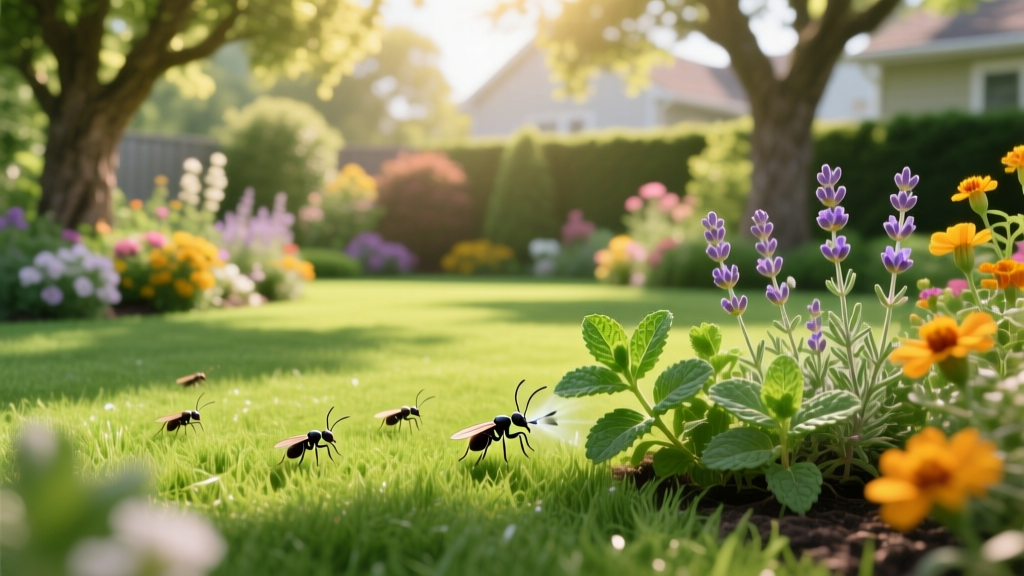
What Kills Fleas Naturally in Your Yard and Garden?
The Outdoor Flea Life Cycle: Why Your Yard is the Battleground
When homeowners ask, 'what kills fleas naturally,' they often focus entirely on their pets. However, adult fleas living on a dog or cat represent only about 5% of the total flea population. The remaining 95%—comprising eggs, larvae, and pupae—live in the environment, primarily in shaded, humid areas of your yard. According to the Centers for Disease Control and Prevention (CDC), breaking the outdoor life cycle is mandatory for long-term eradication.
By the Numbers: The Flea Life Cycle
• Eggs: Hatch in 2-14 days depending on humidity and temperature.
• Larvae: Avoid sunlight; hide in thatch and soil cracks for 5-21 days.
• Pupae: Encased in a sticky cocoon that is highly resistant to both chemical and natural desiccants. Can remain dormant for up to 5 months.
• Adults: Emerge when they detect vibrations, heat, and carbon dioxide from a passing host.
• Eggs: Hatch in 2-14 days depending on humidity and temperature.
• Larvae: Avoid sunlight; hide in thatch and soil cracks for 5-21 days.
• Pupae: Encased in a sticky cocoon that is highly resistant to both chemical and natural desiccants. Can remain dormant for up to 5 months.
• Adults: Emerge when they detect vibrations, heat, and carbon dioxide from a passing host.
What Kills Fleas Naturally? Top Yard Treatments Ranked
Natural flea control relies on biological agents, mechanical desiccants, and botanical neurotoxins. Below is a comparison matrix of the most effective natural treatments for outdoor use, evaluated by kill mechanism, efficacy, and cost.
| Method | Kill Mechanism | Efficacy Rate | Cost per 1,000 sq ft | Best Use Case |
|---|---|---|---|---|
| Beneficial Nematodes | Biological (bacterial infection) | High (80-90%) | $15 - $25 | Shaded soil, garden beds, under decks |
| Diatomaceous Earth (DE) | Mechanical (exoskeleton laceration) | Medium (60-70%) | $8 - $12 | Dry, sandy soil, patio perimeters |
| Cedarwood Oil | Botanical (octopamine blocker) | Medium-High (70-80%) | $18 - $24 | Lawns, shrubbery, quick knockdown |
| Neem Oil | Botanical (growth regulator) | Low-Medium (40-50%) | $10 - $15 | Preventative maintenance, ornamental beds |
Step-by-Step: Applying Beneficial Nematodes (The Heavy Hitter)
When determining what kills fleas naturally with the highest success rate, beneficial nematodes are the undisputed champion for yard treatment. Specifically, the Steinernema carpocapsae (Hb strain) actively seeks out flea larvae in the soil. Once inside the host, the nematodes release Xenorhabdus bacteria, which kills the flea larvae within 24 to 48 hours.
Application Protocol for Maximum Efficacy
- Timing: Apply in the early morning or late evening. UV radiation from direct midday sunlight will kill nematodes before they can penetrate the soil.
- Soil Temperature: Ensure soil temperatures are consistently above 55°F (13°C). Nematodes become dormant in cold soil and die in soil exceeding 95°F (35°C).
- Pre-Watering: Water the target area deeply 24 hours before application. The soil must be moist to allow nematodes to swim through pore spaces to find larvae.
- Mixing: Mix 1 million nematodes per 1,000 square feet into a hose-end sprayer with a 32-ounce reservoir. Remove any internal screens or filters in the sprayer that could crush the organisms.
- Post-Watering: Lightly water the area immediately after spraying to wash the nematodes off grass blades and down into the thatch and topsoil where flea larvae reside.
Pro Tip: Store live nematodes in the refrigerator (38°F - 42°F) immediately upon delivery. Do not freeze them. They have a shelf life of roughly 2 to 3 weeks when properly refrigerated.
Desiccants and Botanical Oils: Diatomaceous Earth & Cedarwood
If nematodes are the biological approach, Diatomaceous Earth (DE) and cedar oil represent the mechanical and chemical natural alternatives. The Environmental Protection Agency (EPA) recognizes many botanical oils as minimum-risk pesticides, but their application requires precise environmental conditions.
Diatomaceous Earth (Food Grade)
DE consists of fossilized diatoms with microscopic, razor-sharp silica edges. When flea larvae or adults crawl across it, the powder lacerates their waxy exoskeleton, causing them to dehydrate and die.
Pros: Non-toxic to mammals; remains effective indefinitely as long as it is dry; highly affordable.
Cons: Completely ineffective when wet (rain or heavy dew neutralizes it); must be reapplied after every precipitation event; inhalation of fine dust can irritate human lungs during application.
Cons: Completely ineffective when wet (rain or heavy dew neutralizes it); must be reapplied after every precipitation event; inhalation of fine dust can irritate human lungs during application.
Application Rate: Apply 1 lb of food-grade DE per 1,000 square feet using a drop spreader or hand duster. Focus on dry, shaded areas under porches and around dog houses. Avoid applying to areas where wind will blow the dust back into your face.
Cedarwood Oil Concentrate
Cedar oil kills fleas by blocking octopamine receptors, a neurotransmitter essential for insect heart rate regulation and movement. It effectively suffocates eggs, larvae, and adults on contact.
Pros: Provides an immediate 'knockdown' effect; leaves a pleasant aroma; safe for use around pets once dry.
Cons: Degrades rapidly under UV light (requires reapplication every 7-14 days); can be phytotoxic to certain delicate ornamental plants if not properly diluted.
Cons: Degrades rapidly under UV light (requires reapplication every 7-14 days); can be phytotoxic to certain delicate ornamental plants if not properly diluted.
Application Rate: Use a commercial 10-15% cedarwood oil concentrate emulsified with a natural soap. Mix 2 ounces per gallon of water and spray thoroughly over the lawn, ensuring you reach the base of the grass blades.
Habitat Modification: Starving the Flea Population
No natural treatment will succeed if the yard environment remains a perfect incubator. Flea larvae require high humidity (above 50%) and shade to survive. Altering the microclimate of your yard is a critical, zero-cost component of natural flea control. Penn State Extension emphasizes that cultural controls are the foundation of integrated pest management.
- Mowing Height: Maintain your grass at 2.5 to 3.5 inches. Cutting it too short exposes the soil to sunlight, which dries out larvae, but cutting it too long creates a damp, shaded canopy that fleas love.
- Thatch Removal: If your lawn has more than 0.5 inches of thatch, use a mechanical dethatcher. Thatch is the primary hiding spot for flea larvae, protecting them from both predators and surface treatments.
- Canopy Pruning: Trim the lower branches of trees and shrubs to allow direct sunlight to hit the soil for at least 3 to 4 hours a day. UV radiation and soil desiccation are natural enemies of flea pupae.
- Wildlife Deterrence: Opossums, raccoons, and feral cats are primary flea vectors. Secure trash cans with bungee cords and install motion-activated sprinklers to keep wildlife out of your treated zones.
Common Natural Treatment Failure Modes (And How to Fix Them)
Homeowners often abandon natural treatments because they fail to account for environmental variables. Review this troubleshooting matrix to avoid common pitfalls.
| Symptom | Probable Cause | Corrective Action |
|---|---|---|
| Nematodes yield zero reduction in flea bites | Applied in direct sunlight or to dry soil | Pre-water soil; apply strictly at dusk; verify soil temp is >55°F |
| DE stops working after 48 hours | High morning dew or light rain rehydrated the powder | Switch to cedar oil for damp areas; reapply DE only in covered spaces |
| Cedar oil burns grass tips | Oil concentration too high or applied during peak heat | Reduce concentration by 50%; apply only when ambient temp is <85°F |
| Fleas return immediately after treatment | Wildlife vectors continuously reintroducing adults | Install physical barriers; treat pet bedding concurrently; use nematodes weekly for 3 weeks |
Critical Reminder: Treating the yard is only half the battle. You must simultaneously treat your pets with a veterinary-approved oral or topical flea preventative. If your pet remains untreated, they will act as a mobile transport, continuously dropping new eggs into your freshly treated yard and rendering your natural efforts useless.

