
Pest Control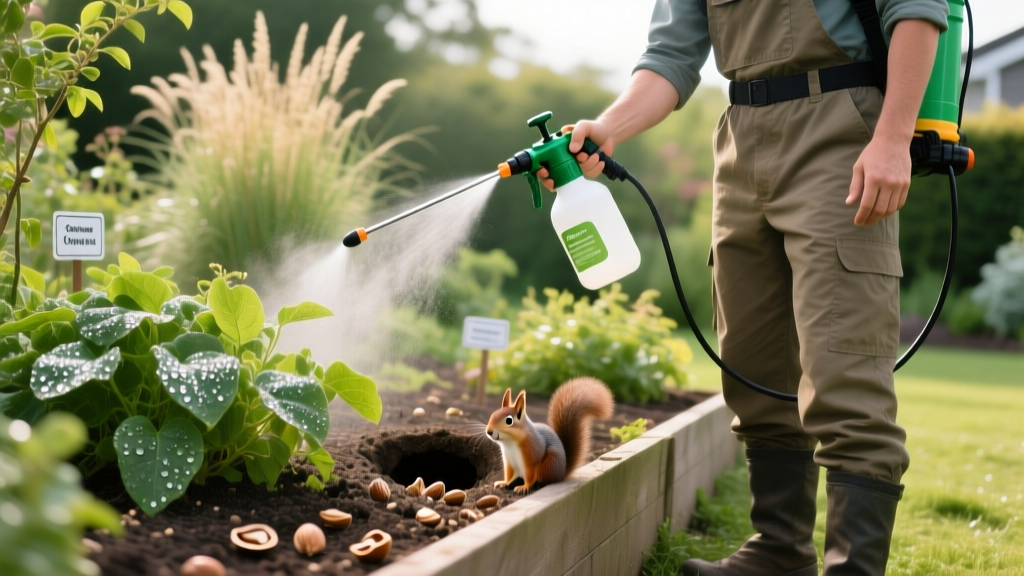
What Repels Chipmunks? 7 Proven Garden Defense Tactics
The Chipmunk Profile: Why They Target Your Yard
Before deploying deterrents, understand the adversary. Eastern chipmunks (Tamias striatus) are opportunistic foragers and prolific burrowers. A single chipmunk can excavate a burrow system extending up to 30 feet long and 3 feet deep, undermining patios, retaining walls, and foundation slabs. They are driven by two primary needs: high-calorie food sources (bulbs, seeds, nuts) and secure, well-drained subterranean shelter. According to the Internet Center for Wildlife Damage Management, chipmunks cause the most structural damage in late summer and early fall as they aggressively cache food for winter hibernation.
To answer the question of what repels chipmunks effectively, you must move beyond generic advice and deploy a layered defense strategy targeting their olfactory senses, physical access routes, and behavioral startle responses.
Sensory Repellents: Olfactory and Gustatory Deterrents
Chipmunks possess a highly developed sense of smell, which they rely on to detect predators and locate food caches. Sensory repellents exploit these instincts, but their efficacy depends entirely on the active ingredient and application frequency.
Active Ingredient Comparison Matrix
| Active Ingredient | Product Example | Avg. Cost | Efficacy Duration | Best Application |
|---|---|---|---|---|
| Putrescent Egg Solids | Bonide Repels-All | $18 (32 oz) | 30–45 days | Perimeter sprays, garden beds |
| Capsaicin (20%+) | Miller Hot Sauce | $25 (16 oz) | 14–21 days | Fruit trees, ornamental shrubs |
| Methyl Nonyl Ketone | Bonide Rabbit Scat | $15 (3 lbs) | 20–30 days | Granular application on lawns |
| Thiram (Fungicide) | Bonide Bulb Dust | $12 (8 oz) | Until planting | Pre-planting bulb treatment |
Putrescent whole egg solids are widely considered the most reliable olfactory repellent. The National Pesticide Information Center notes that the sulfur compounds released during the decomposition of egg solids mimic the scent of decaying organic matter and predator waste, triggering an innate avoidance response in small mammals. For maximum efficacy, apply liquid putrescent egg formulations to the perimeter of your garden beds at a rate of 1 gallon per 1,000 square feet, and reapply immediately after heavy rainfall exceeding 0.5 inches.
Physical Exclusion: The L-Footer Trench Method
Chemical repellents degrade and require constant reapplication. For permanent protection of sheds, patios, and raised beds, physical exclusion is the only foolproof method. Chipmunks can compress their skeletal structure to squeeze through gaps as small as 1.25 inches, making standard chicken wire useless.
Step-by-Step L-Footer Installation
The L-footer creates an underground physical barrier that exploits the chipmunk's instinct to dig straight down rather than backward when encountering an obstacle.
- Material Selection: Purchase 1/4-inch galvanized hardware cloth. Do not use 1/2-inch mesh; juvenile chipmunks can bypass it. A 2-foot by 25-foot roll typically costs $30–$35.
- Trenching: Dig a narrow trench 12 inches deep and 4 inches wide along the perimeter of the structure you are protecting.
- Shaping the Mesh: Bend the hardware cloth into an "L" shape, with the vertical leg measuring 18 inches and the horizontal leg measuring 12 inches.
- Placement: Insert the vertical leg into the trench so that 6 inches remain above ground. The 12-inch horizontal leg must point away from the structure, resting at the bottom of the trench.
- Backfilling: Fill the trench with soil and tamp it down firmly. When a chipmunk digs down near the foundation, it hits the vertical wire. Attempting to dig under it, it encounters the horizontal wire and abandons the effort.
Motion-Activated Tech: Startle and Disrupt
For open lawn areas where trenching is impractical, motion-activated devices exploit the chipmunk's acute startle reflex. However, not all tech is created equal.
Top Pick: Orbit 62100 Yard Enforcer
Cost: $65–$75 | Detection Range: Up to 70 feet | Power: 4 AA batteries + standard hose connection
The Yard Enforcer utilizes an infrared motion sensor to trigger a sudden, 5-second burst of water accompanied by a sharp mechanical clicking sound. Unlike ultrasonic emitters, which chipmunks quickly habituate to, the physical sensation of water and sudden noise creates a lasting negative association. Set the sensor height to 6–8 inches off the ground to specifically target chipmunks and groundhogs while ignoring passing birds.
Botanical Deterrents: Plants Chipmunks Avoid
If you are designing a new garden bed, integrate plants that contain natural alkaloids and compounds toxic or highly unpalatable to chipmunks. While they will decimate tulips, crocuses, and hostas, they actively avoid:
- Daffodils (Narcissus): Contain lycorine, a toxic alkaloid that causes severe gastrointestinal distress if ingested.
- Alliums (Ornamental Onions): The strong sulfuric odor masks the scent of nearby palatable plants and irritates their nasal passages.
- Fritillaria (Crown Imperial): Emits a skunky, musky odor from its bulbs that naturally repels burrowing rodents.
- Hyacinths: High concentrations of calcium oxalate crystals make the bulbs intensely irritating to the mouth and throat.
Common Repellent Myths to Avoid
Misinformation regarding chipmunk control leads to wasted money and environmental harm. Avoid these outdated tactics:
Warning: The Mothball Myth
Using mothballs (naphthalene or paradichlorobenzene) outdoors is illegal under EPA regulations. Mothballs are formulated for enclosed, airtight spaces. When placed in garden beds, they rapidly dissolve in rain, leaching highly toxic, carcinogenic chemicals into the groundwater and soil microbiome. Furthermore, the concentration of gas released in an open outdoor environment is entirely insufficient to repel chipmunks.
Predator Urine Degradation: Commercial coyote or fox urine loses its molecular structure and olfactory potency when exposed to UV sunlight and ambient temperatures above 70°F within 48 hours. It requires near-daily reapplication to maintain even marginal efficacy, making it economically unviable compared to putrescent egg solids.
Decision Framework: Choosing Your Defense Strategy
Select your primary defense based on the specific damage profile in your yard:
- For structural undermining (patios, sheds): Install 1/4-inch hardware cloth L-footers. Chemical sprays will not stop established burrowing behavior.
- For bulb and root destruction: Treat bulbs with Thiram dust prior to planting, and top-dress the soil with Methyl Nonyl Ketone granules.
- For open lawn foraging and seed theft: Deploy the Orbit Yard Enforcer motion-activated sprinkler and interplant Alliums to create an olfactory barrier.
By combining physical exclusion at the foundation level with targeted sensory repellents in the garden beds, you create an environment that is fundamentally hostile to chipmunk habitation, forcing them to relocate to less fortified wild spaces.

