
Pest Control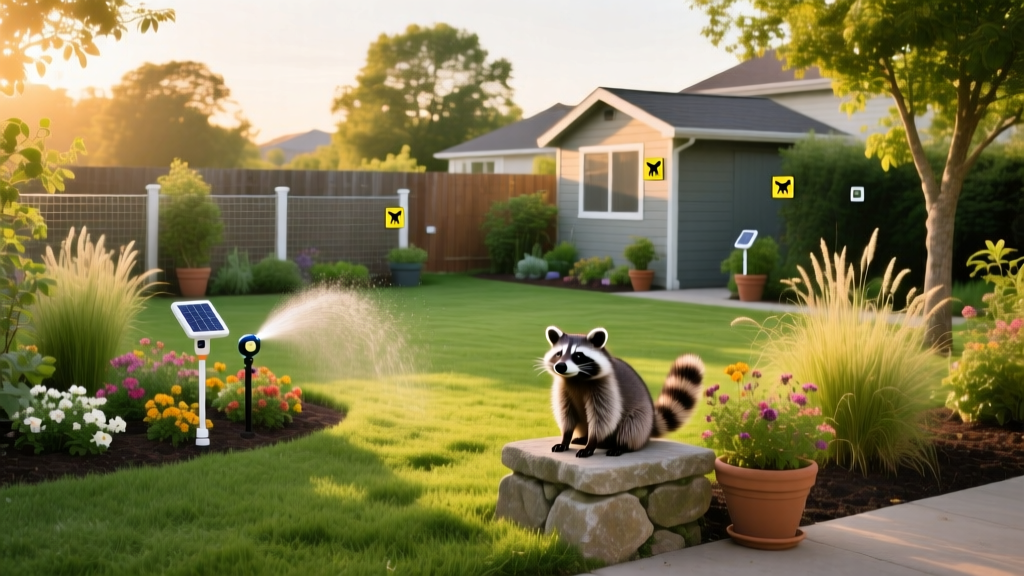
What Repels Raccoons? 7 Proven Yard and Garden Deterrents
The Raccoon Invasion: Understanding the Threat to Your Landscape
Raccoons (Procyon lotor) are highly intelligent, adaptable omnivores with exceptional tactile sensitivity and problem-solving skills. When homeowners ask what repels raccoons, the answer requires moving beyond ineffective internet myths and deploying multi-sensory, science-backed deterrents. A single adult raccoon can consume up to 40% of its body weight in a week, causing severe structural damage to trash enclosures, tearing up newly laid sod while hunting for white grubs (Phyllophaga spp.), and raiding sweet corn crops just days before harvest.
According to the Internet Center for Wildlife Damage Management, raccoons possess cognitive mapping abilities that allow them to remember reliable food sources for years. Therefore, passive repellents quickly fail as the animal habituates. Effective raccoon management requires an integrated approach combining sensory disruption, physical exclusion, and habitat modification.
Sensory Deterrents: Smell, Sound, and Light
Raccoons rely heavily on their olfactory and auditory senses to forage safely at night. Disrupting these senses creates an environment of perceived high risk.
⚠️ WARNING: The Mothball and Ammonia Myth
Do not use mothballs (naphthalene) or open dishes of ammonia. The EPA strictly prohibits using mothballs off-label for wildlife control. Not only are these chemicals highly toxic to pets, children, and soil microbiomes, but raccoons will simply step over a bowl of ammonia or move the mothballs aside to access the food source. Furthermore, Penn State Extension notes that strong chemical odors dissipate rapidly outdoors, rendering them useless after 24 to 48 hours.
1. Predator Urine (Coyote or Bobcat)
Commercially available coyote urine (such as Predator Pee 100% CoyotePee, approximately $22 for 16 oz) triggers a raccoon's innate fear response. To maximize effectiveness, apply the liquid to felt pads or 'scent tags' hung 12 to 18 inches above the ground around the perimeter of your garden. Reapplication is mandatory every 7 to 10 days, and immediately following any rainfall exceeding 0.25 inches.
2. Motion-Activated Ultrasonic Emitters
Ultrasonic devices emit high-frequency sound waves (typically 25 kHz to 50 kHz) that irritate raccoons but remain inaudible to most humans. However, efficacy varies. Look for models with variable frequency sweeps rather than static tones, as raccoons will habituate to a constant pitch within 48 hours. Place units at a 45-degree downward angle to prevent sound waves from deflecting off hard surfaces.
3. High-Intensity Strobe Lighting
Raccoons are nocturnal and prefer foraging in shadows. Installing motion-activated LED floodlights (minimum 3,000 lumens) with sudden-on strobe capabilities disrupts their night vision. Mount lights at least 6 feet high to prevent the animal from easily reaching and disabling the fixture.
Physical and Tactical Barriers: The Most Reliable Repellents
When sensory deterrents fail due to habituation or extreme hunger, physical barriers become mandatory. The table below compares the three most effective tactical repellents for residential properties.
| Deterrent Method | Estimated Cost (2026) | Setup Time | Effectiveness & Failure Modes |
|---|---|---|---|
| Motion-Activated Sprinklers (e.g., Orbit Yard Enforcer Model 621000) | $75 - $95 per unit | 15 minutes | High. Uses sudden water bursts and clicking noise. Failure mode: Freezing temperatures in late fall/winter render water-based systems useless. |
| 2-Wire Electric Fence (e.g., Havahart Critter-Strike) | $150 - $250 for 100 ft | 2 - 4 hours | Very High. Delivers a memorable, non-lethal shock. Failure mode: Tall weeds touching the lower wire drain the battery and ground the circuit. |
| 1/2-Inch Hardware Cloth Trenching | $40 - $60 per 50 ft roll | 3 - 5 hours | Moderate to High. Prevents digging under sheds/decks. Failure mode: Raccoons can climb over if not paired with an outward-facing 45-degree overhang at the top. |
Installing the 2-Wire Electric Fence
The gold standard for protecting sweet corn and vegetable patches is a low-profile electric fence. Raccoons rarely jump; they climb or crawl. Install two polywire or aluminum strands: the first wire exactly 6 inches above the soil line (to shock them as they approach), and the second wire at 12 inches (to shock them if they attempt to climb over). Use a low-impedance energizer delivering at least 0.15 joules. Ensure the vegetation beneath the wires is trimmed weekly to prevent voltage leakage.
Habitat Modification: Removing the Attractants
No repellent will work long-term if your property offers a high-calorie, low-risk food source. Raccoons are driven by caloric density. Implement the following habitat modifications to make your yard unappealing.
- Targeted Grub Eradication: Raccoons peel back sod like a carpet to eat Japanese beetle and June bug grubs. Apply Bacillus thuringiensis galleriae (Btg) or Milky Spore (Paenibacillus popilliae) in early spring. Milky Spore costs roughly $45 for a 4,000 sq ft coverage area and establishes a multi-year biological barrier in the soil, eliminating the raccoon's primary reason for digging.
- Trash Can Fortification: Standard bungee cords fail against raccoon thumbs. Upgrade to gravity-locking lids (like the Toter Bear-Proof series, ~$180) or install a ratchet strap system that requires opposable thumbs and bilateral pulling force to release. Store bins in a garage or shed until the exact morning of municipal pickup.
- Pet Food and Birdseed Management: Bring all outdoor pet bowls inside at dusk. For bird feeders, install a raccoon baffle (a smooth, 24-inch diameter metal dome) on the pole, mounted at least 5 feet off the ground, and position the pole at least 10 feet away from any fence or tree branch they could use to bypass the baffle.
- Seal Structural Entry Points: Inspect roof soffits, chimney caps, and deck lattice. Raccoons can squeeze through holes as small as 4 inches in diameter. Seal gaps with 16-gauge galvanized steel mesh; they will easily chew through chicken wire or plastic vent covers.
Frequently Asked Questions
Does cayenne pepper repel raccoons?
Capsaicin-based sprays can deter raccoons temporarily, but they are highly impractical for large yards. You must coat every leaf, fruit, and square inch of soil. Furthermore, rain or overhead irrigation washes the capsaicin away immediately. It is better suited for small, targeted applications on specific ripening vegetables rather than perimeter yard defense.
Will a dog keep raccoons away?
While a large, aggressive dog patrolling the yard at night will deter raccoons, relying on a pet for wildlife control is dangerous. Raccoons are formidable fighters when cornered and can transmit rabies, distemper, and raccoon roundworm (Baylisascaris procyonis) through bites and scratches. Never encourage direct physical confrontations between your pets and raccoons.
What time of year are raccoons the most destructive?
Peak destruction occurs in late summer and early fall (August through October). During this period, raccoons enter hyperphagia—a state of excessive eating to build fat reserves for winter. Their caloric demands double, making them significantly more aggressive in breaching trash cans, tearing up lawns for grubs, and raiding agricultural crops.
The Integrated Raccoon Repellent Strategy
To permanently answer what repels raccoons from your specific property, combine one physical barrier (electric fencing for gardens, hardware cloth for decks) with one sensory disruptor (motion-activated sprinklers) and strict habitat modification (grub control and secured trash). Relying on a single method will inevitably result in habituation and continued property damage.

